Education / KidsSoft paywall · trial optionalpaywall: after first usequiz drivengoal settingtutorial demoannual default with trialthree tier comparisonfeature list
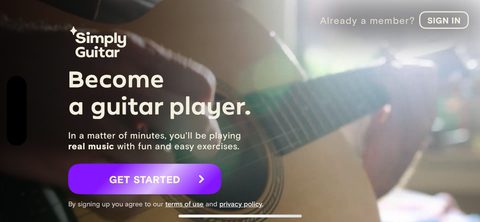
1Benefits, not features. 'Become a guitar player' and 'In a matter of minutes, you'll be playing real music' sell the outcome, not the lesson count. Exciting, aspirational, emotional, exactly how the first screen of a learn-an-instrument app should open. 'Already a member? Sign in' is tucked in the corner so it doesn't compete with Get Started.2They ask for name and age right after the intro and tell you why: 'Simply Guitar will adapt based on your age and personal preferences.' Pairing the ask with the reason makes the personalization feel earned instead of nosy.3Smart question. Picking your guitar type (acoustic, classical, electric) removes doubt and makes the app feel built for the gear you actually own. The 'I don't have a guitar yet' option also segments the buyers who still need to go buy one.4'What would you like to achieve, pick up to 3' is the right call as multi-select. Most beginners want a few things at once: read tabs, play a loved one's birthday song, play their favorites. These goals are zero-party data they should echo back later in the flow and on the paywall.5Music taste question. This is the input that lets them promise you'll play 'the songs you love by the artists you love' in the welcome video. Tie the question to the payoff and the personalization lands.6This is the aha setup. They show you a real song ('Fallin'' by Alicia Keys) and the exact chords (Em, Am), then ask if you know them. Whether you say yes or no, you've now pictured yourself playing a song you recognize.7'You'll be playing a song with these chords in about 20 minutes.' A concrete, time-boxed promise of value. It sets a clear aha moment and a short fuse on it, which raises intent going into the lesson.8Nice value screen. The 30-day curve (first chord in 15 min, your 1st song in an hour, master basics in 30 days) is a goal gradient laid out visually. 'Learners that play 3 times per week master the basics in just 30 days' anchors the practice habit they ask about two screens later.9Practice frequency question doubles as a commitment device. By picking 'A few times a week' you've set your own expectation, which they'll later turn into the weekly streak. The copy 'Even 10 minutes, 2-3 times a week is enough to see results' lowers the perceived effort before you commit.10Loading screen to show the work they're doing for you. 'Your personal preferences were received and we're building your personal learning journey' reinforces that all those questions actually fed something. Cheap to build, and it makes the personalization feel real.11Good to see a How Did You Hear About Us question in the flow, with 'ChatGPT or other AI tool' as an option, which is a sign of who's updating their attribution for 2025. This feeds the ad networks and supplements install attribution. It sits late enough that it doesn't slow the path to value.12'Do you have headphones?' is a practical setup question, but it also primes you to get your gear ready before the lesson so the first session actually works. Small detail that protects the aha moment.13Account creation lands here, after the quiz and right before the lesson, not upfront. That's the right tradeoff: you've already invested in the questions, and the 'SKIP' in the corner plus social sign-in (Apple, Google, Facebook) keeps dropout low. 'To create or access your account' frames it as access, not a wall.14'Who's playing?' with profiles sets up the family angle early and seeds the Family Plan they sell on the paywall. Letting you add profiles before you've paid plants the idea that this is for the whole household.15Here's an early paywall glimpse right after profile creation, defaulting to the 12-month plan at $14.99/month with a 7-day free trial and 'Try for $0.00.' Showing it once before the free lesson, then again after, is a smart two-touch structure since most people don't convert the first time they see a wall.1617This is the long audio voiceover Jacob flagged on Simply. Audio for an audio product. A narrated welcome walks you through the lessons and the value while you watch real hands play guitar. It sells without feeling like a pitch.18'The app will listen to you play and teach you everything from the ground up.' This is the core mechanic explained through a demo video instead of a static explainer screen. Showing the value beats telling you about it.19Straight into the first lesson: tuning your guitar. This is the free value before the wall. A few questions, then into the lesson, exactly the model that builds trust. You feel measurable progress, which is what justifies the price later.20Microphone permission fires at the moment it's needed, mid-lesson, with the reason right there: 'Simply Guitar uses the microphone to listen to your guitar.' Contextual permission framed by the specific benefit converts far better than asking upfront.21The real paywall, now firing after you've tuned your guitar and felt the first lesson. Placement after the free value is the whole strategy. 12-month default at $14.99/month, 7-day trial, 'Try for $0.00.' The annual default with trial sends high-quality purchase signals and locks in a longer commitment.22Clean plan structure: Individual vs Family tabs, annual highlighted with the trial, monthly sitting there as the more expensive per-month option to make the annual look obvious. '$179.99 billed annually after trial ends' is shown honestly. Note 'Membership includes Simply Workshops access,' bundling the wider Simply ecosystem into the value.23The Family Plan tab pays off the profiles they had you set up earlier. 'All Simply Apps + 5 premium profiles' reframes the price against the whole Simply family (Piano, Sing, Draw), not just guitar. That's how you justify a premium price: widen the value, don't discount it.24Weekly streak as the post-paywall hook. 'Build Your Streak, make it a habit to play every week' ties straight back to the practice-frequency question from the quiz. Including a streak freeze is smart, it lowers the anxiety of breaking the streak so people keep coming back instead of quitting after one miss.
Powered byBotsiAI/ML models to show the right paywall to each user to grow revenueLearn more →
 1
1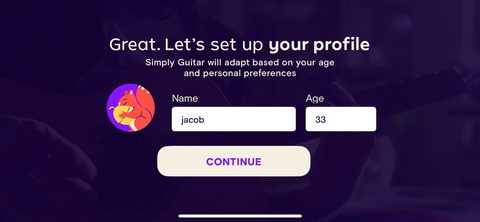 2
2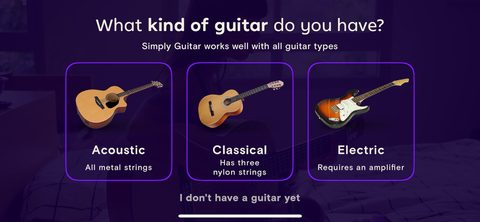 3
3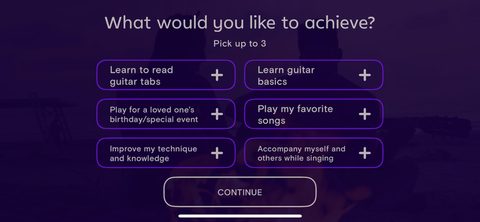 4
4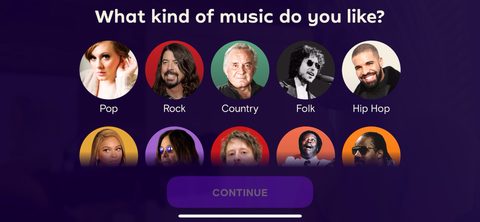 5
5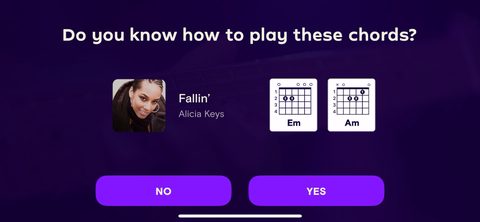 6
6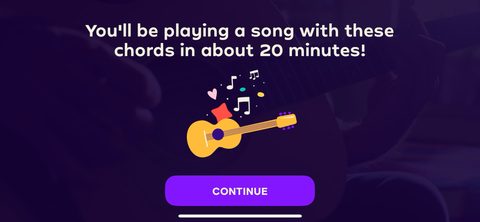 7
7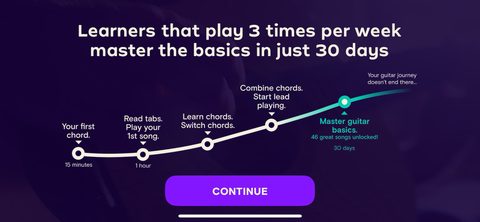 8
8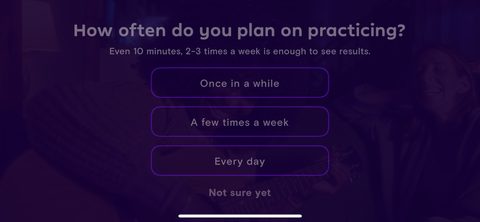 9
9 10
10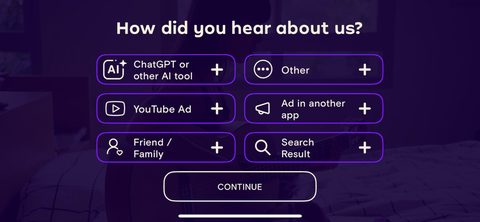 11
11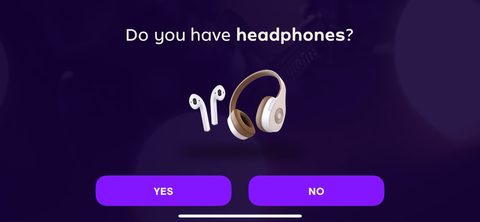 12
12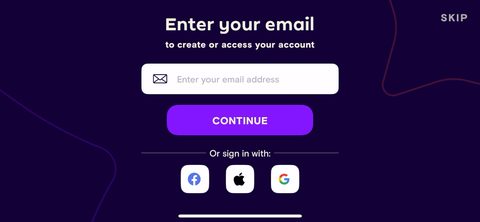 13
13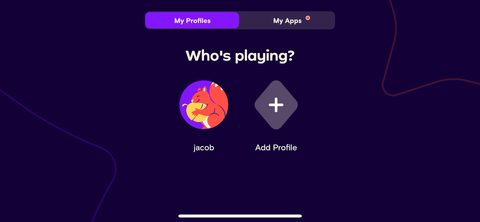 14
14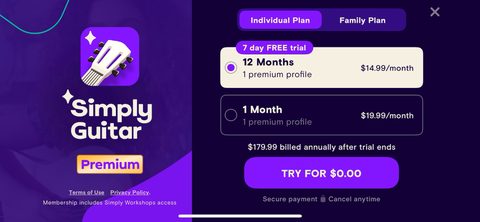 15
15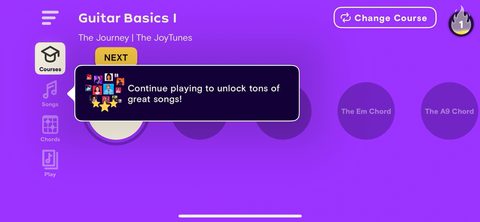 16
16 17
17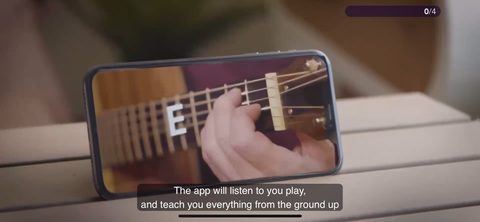 18
18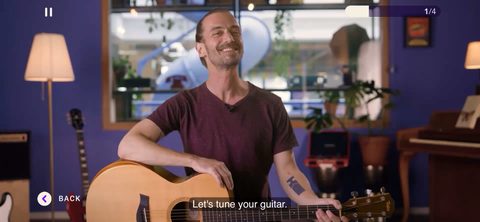 19
19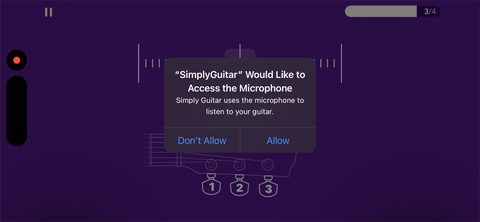 20
20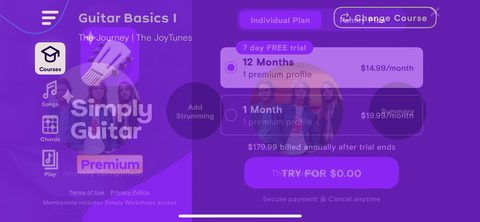 21
21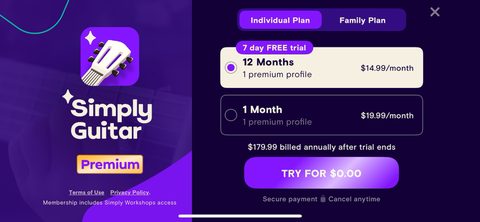 22
22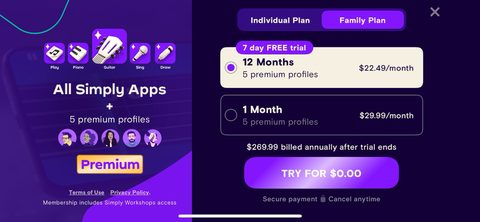 23
23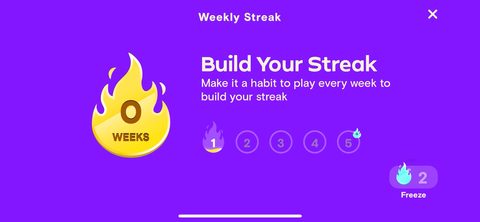 24
24