Mental HealthSoft paywall · trial requiredpaywall: post onboarding quizquiz drivengoal settingannual default with trialtestimonial heavy
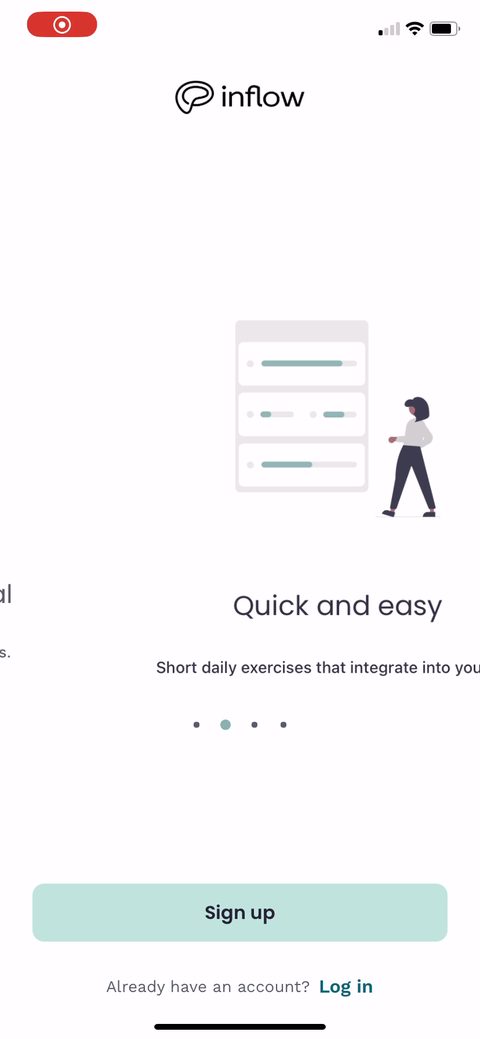
12Leads with "Feel understood. Join an engaged and supportive ADHD community" instead of any feature. For an audience that often feels broken or alone, belonging is the hook, so the whole pitch is emotional before anything functional shows up.35"How would you like to sign up? As an individual / Through an employer." A B2B2C split right at the top so employer-sponsored seats get routed early, which is a cheaper acquisition channel. Note this isn't real account creation yet, just segmentation. The actual email and password come 45 screens later.678Occupation question with a line explaining why they ask: "work related stress can be a major factor in your mental health." Justifying the friction on an open text field lowers the drop. Telling people the reason before you ask is a nice touch.9101112"Where did you discover inflow?" baked into the quiz. A self-reported attribution survey, which with iOS signal loss is one of the few ways left to get channel data, and asking mid-flow pulls a higher response rate than a post-install prompt. I'd test moving it to the end so it doesn't interrupt the value build.131415Diagnosis timing, paired with ADHD type on the next screen. Clinical segmentation that feeds the plan, and the specificity ("inattentive / hyperactive / combined") signals the app actually understands ADHD, which builds credibility before the ask.1617Stage-of-change question: haven't started vs actively managing. Readiness is the variable that predicts retention here, so segmenting on it lets them tailor tone later and set expectations that fit where you actually are.18Start of a long agree/disagree symptom battery. Each answer is a micro-commitment and a small self-diagnosis, so by the end you've half-talked yourself into needing this. The risk is fatigue: that's a lot of Likert screens back to back, and I'd test trimming it.192021222324252627"Almost done, now just a few questions to create your perfect learning program." Midway reassurance. Goal gradient: tell people they're nearly there and completion ticks up. It also reframes the rest as building their plan rather than more survey.28"Which areas would you most like to work on? Choose 4." Forcing exactly 4 guarantees enough inputs to make the plan feel custom, and naming options in ADHD-specific language like "rejection sensitive dysphoria" shows they get the audience.29313233After picking 4 areas they make you rank one first. That single choice becomes Module 1 on the reveal screen, so the personalization is visibly tied to a thing you just did, not generated out of nowhere.3435Loading screen, "we're crafting your ADHD learning plan." The work is instant but the wait makes the output feel earned and custom. Personalization theater.363738394041The plan reveal. Your ranked area shows up as Module 1, so the answers you just gave are echoed straight back as a personal program. This is the payoff that makes the quiz feel worth it and starts building the value the paywall will lean on.424344The rest of the modules sit behind "complete these to unlock even more, over 40+ modules." Show the personalized plan, then gate the depth. That locked surface is the value they'll charge for in a few screens.454647Daily reminder setup with "stick to it" framing. Getting someone to pick a 9am reminder is a small commitment to a habit, and it doubles as a retention hook before they've paid a cent.4849Notification permission fired right after the reminder setup, so the system prompt reads as a natural yes instead of a cold ask. Good sequencing: earn the intent, then trigger the OS dialog.50Email, finally, after the full quiz, the plan reveal, and notifications. Account creation pushed deep so people invest before they hit the form. The tradeoff is a long runway to get here, but the signup that survives it is more committed.515253545658"Create a username, this will be used when you post to the inflow community." Framing the username around posting sets the expectation that you'll participate, which ties back to the community hook from screen 2.606162636465"Here's what you get" value recap right before the paywall: understand your ADHD, new habits, community. Restating the benefits in benefit language at the moment of the ask. Standard pre-paywall priming.6667Trial timeline: Today / Day 5 reminder / Day 7 charged, plus "forgot to cancel? Get a full refund." Spelling out the Day 5 heads-up and the refund promise lowers the fear of a surprise charge, which lifts trial starts.68Paywall defaults to annual at $199.99 ($16.67/mo) with a 7-day trial and a testimonial carousel. Annual-with-trial sends a high-value purchase signal and locks a year. There's no competing price on screen, you have to tap "more plan options" to find monthly, which steers people to the annual default.69707172737475A help sheet with a "student discount access program." A segmented discount keeps the headline price high while still converting price-sensitive students. I'd test surfacing it more visibly to people who bounce off the paywall.7677"All plans" reveals annual at $199.99 vs monthly at $47.99, annual marked Best Value. The monthly price is set high on purpose so the yearly math ($16.67/mo) looks like the obvious pick. Anchoring.7879
Powered byBotsiAI/ML models to show the right paywall to each user to grow revenueLearn more →
 1
1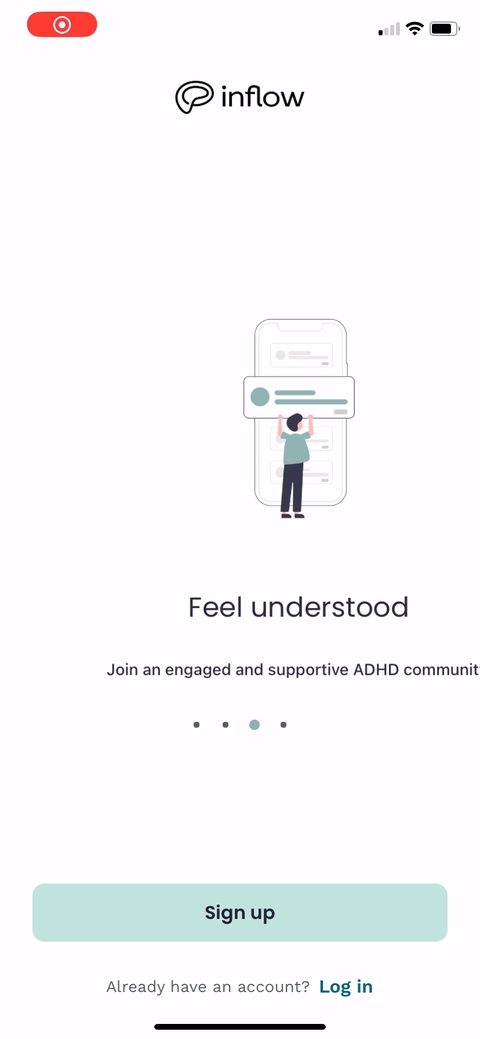 2
2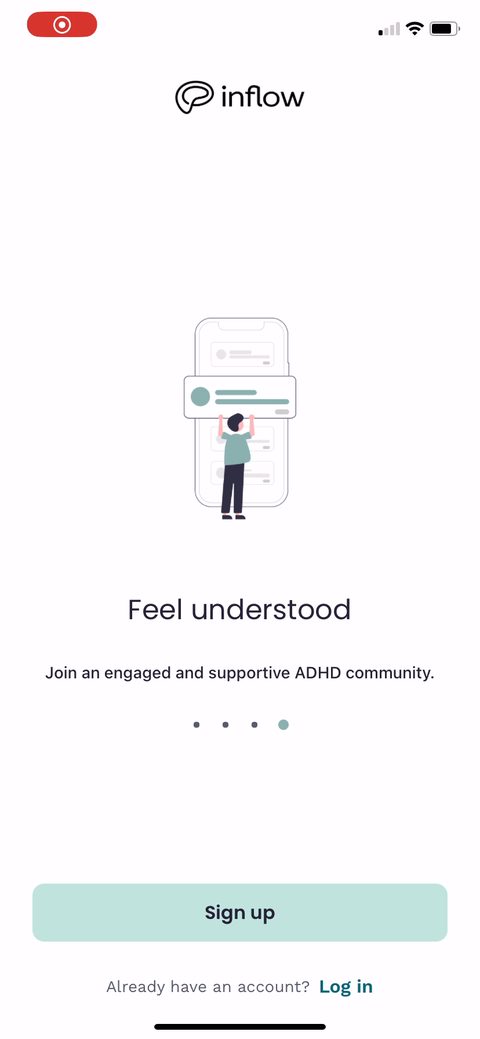 3
3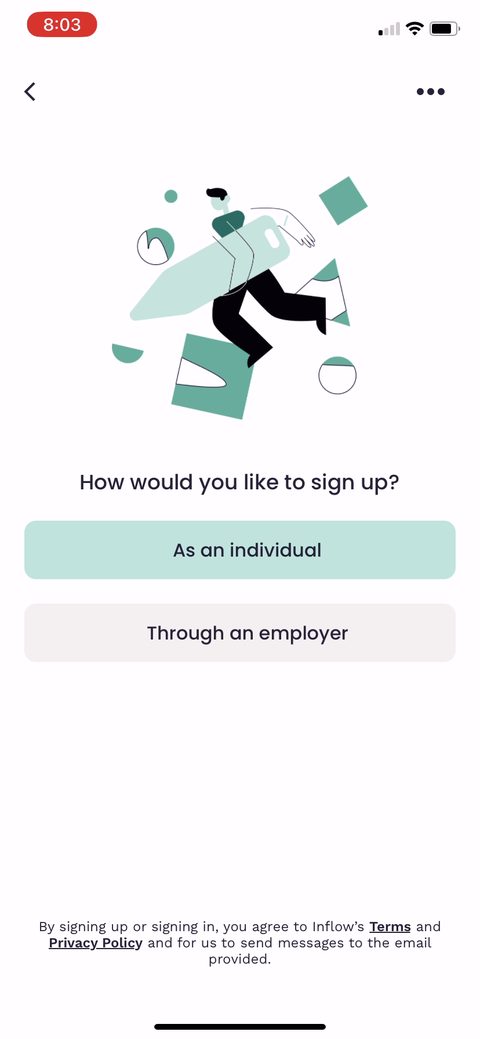 5
5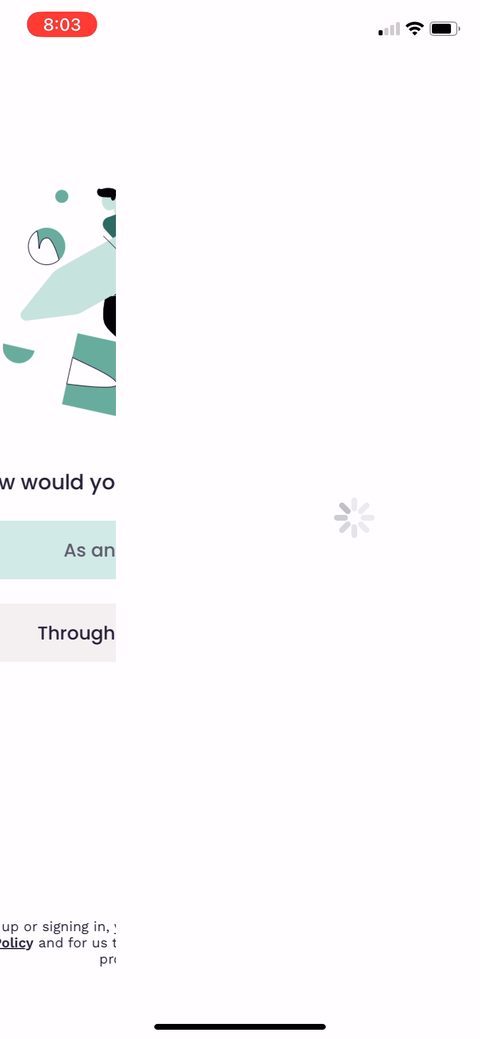 6
6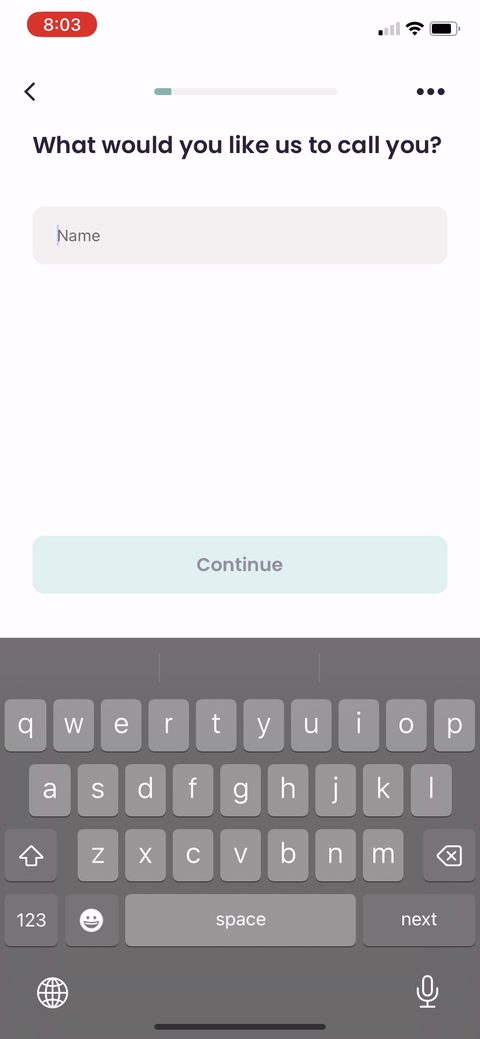 7
7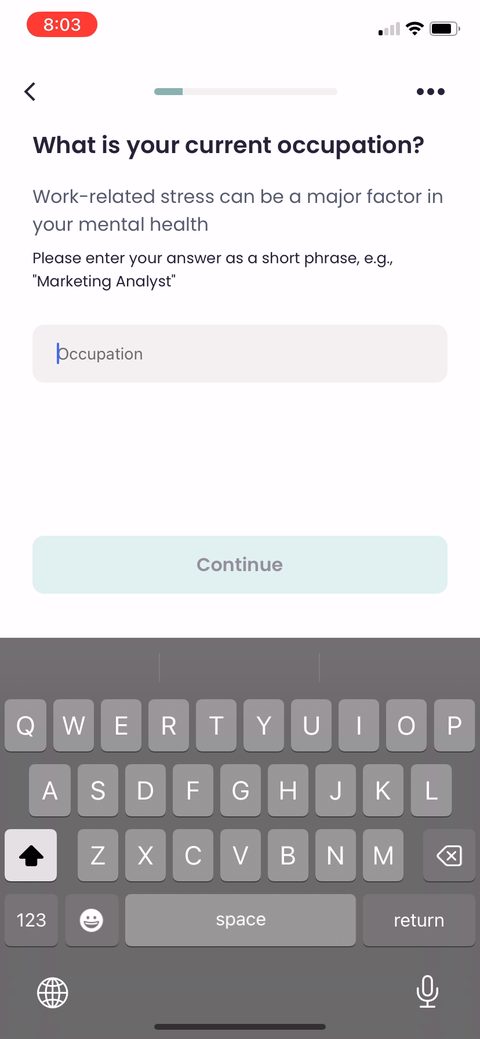 8
8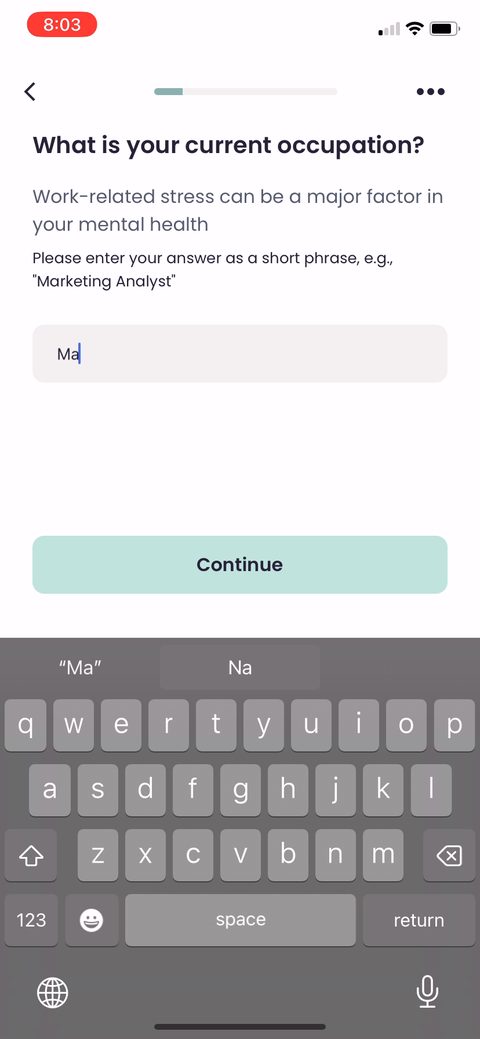 9
9 10
10 11
11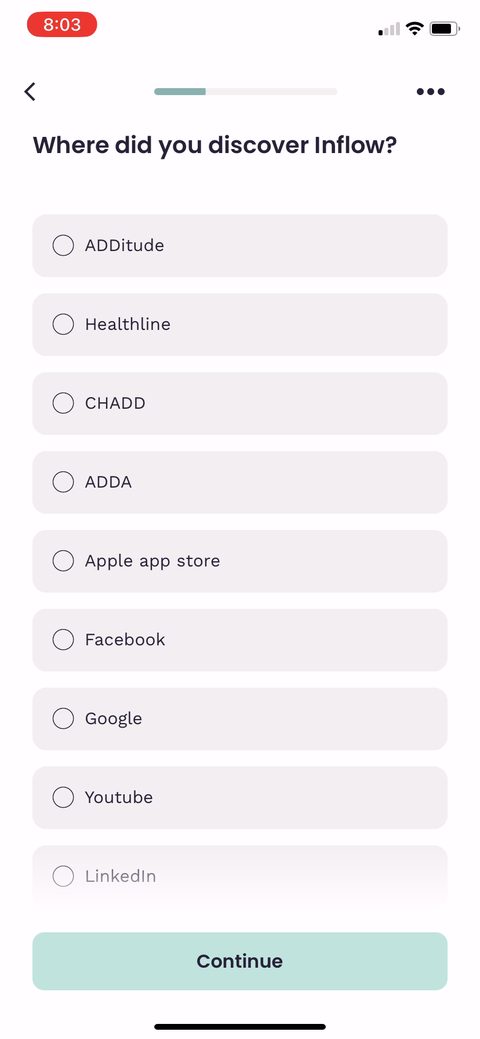 12
12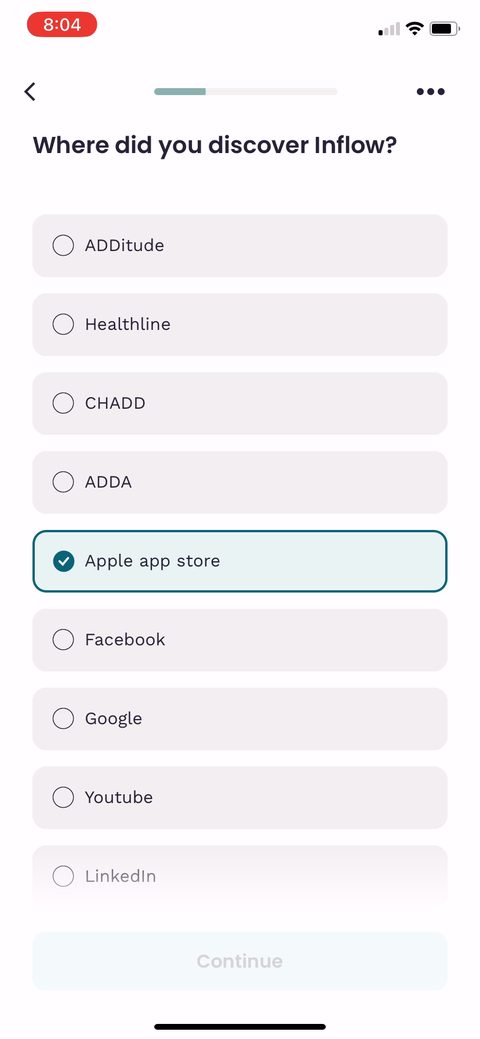 13
13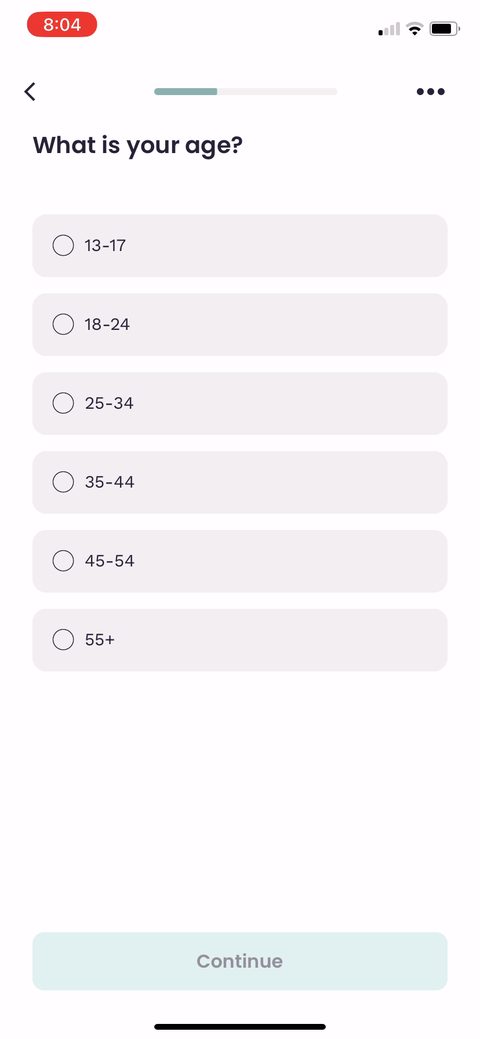 14
14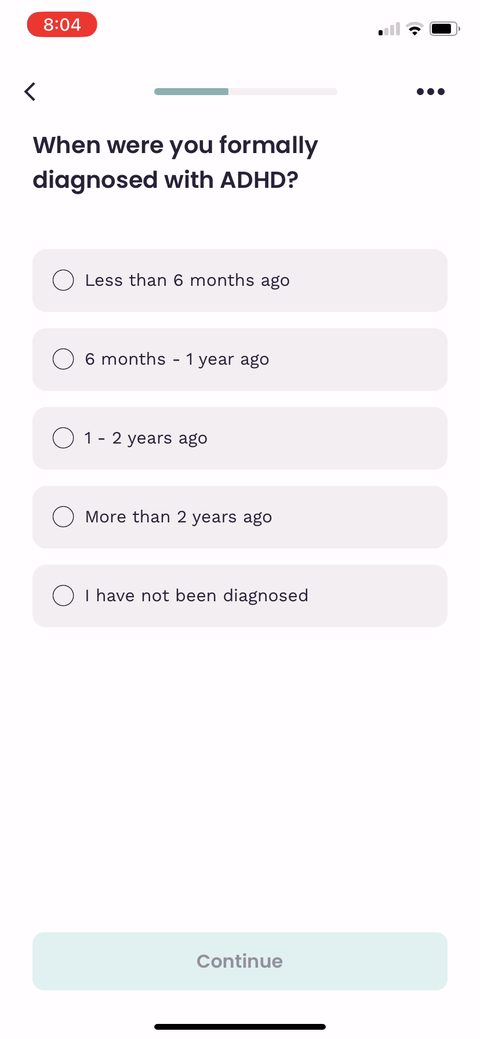 15
15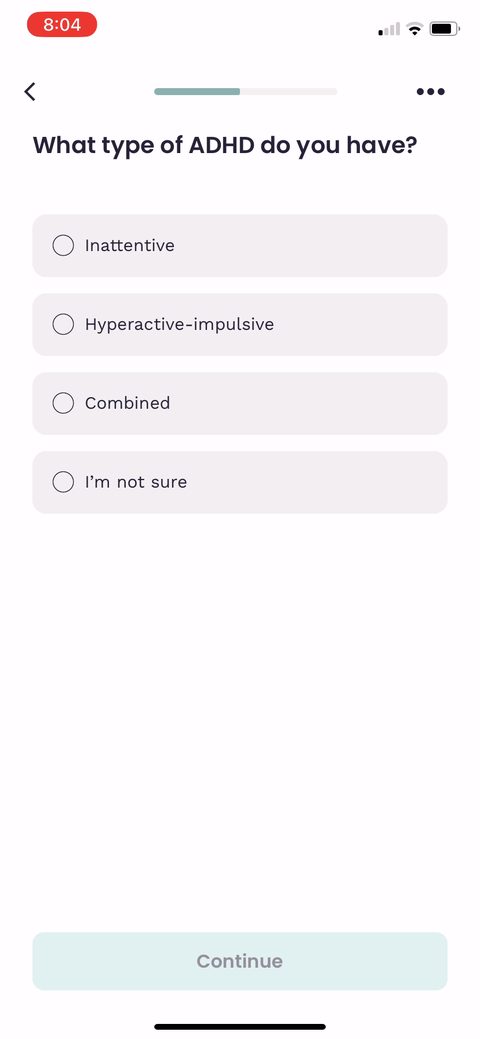 16
16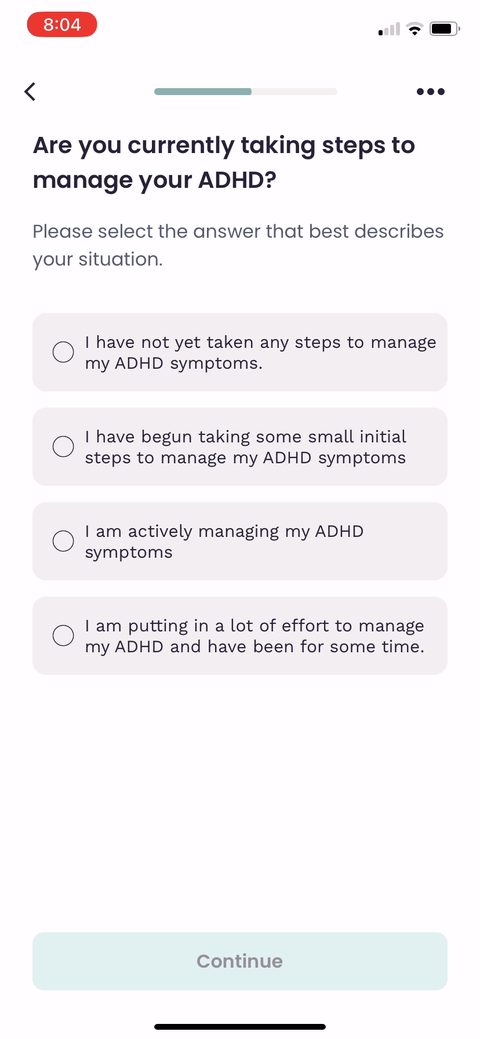 17
17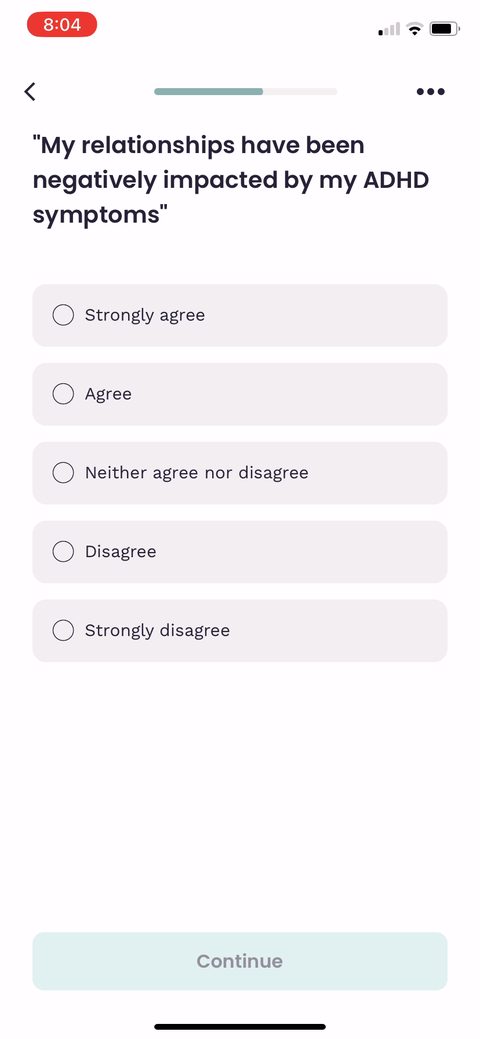 18
18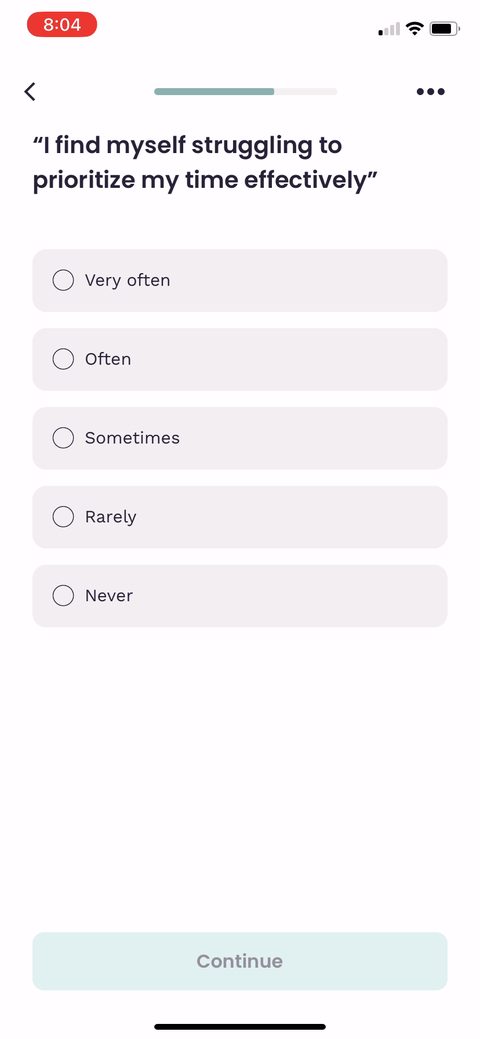 19
19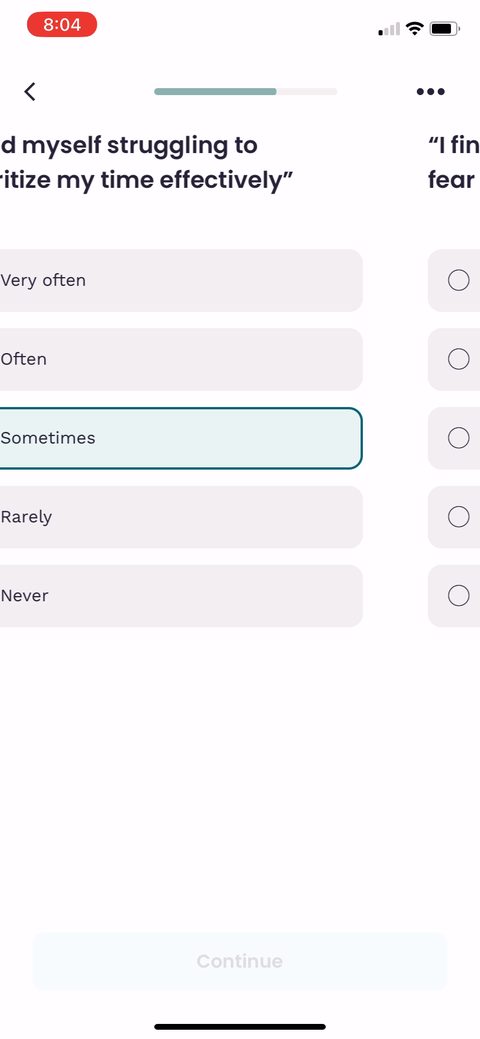 20
20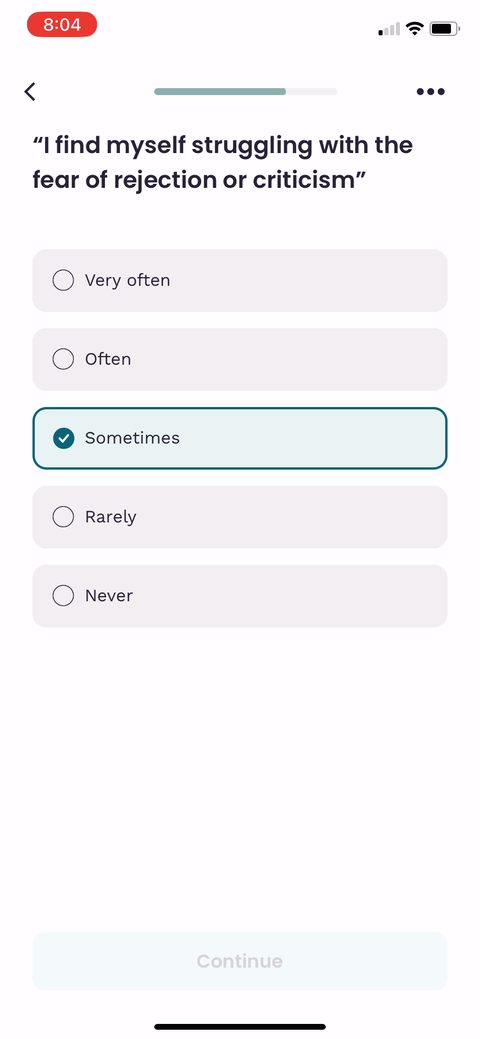 21
21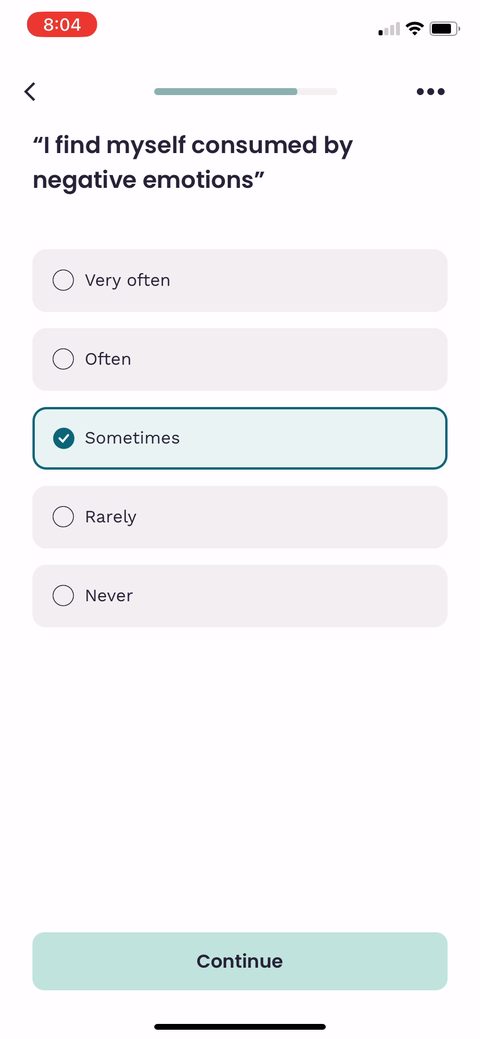 22
22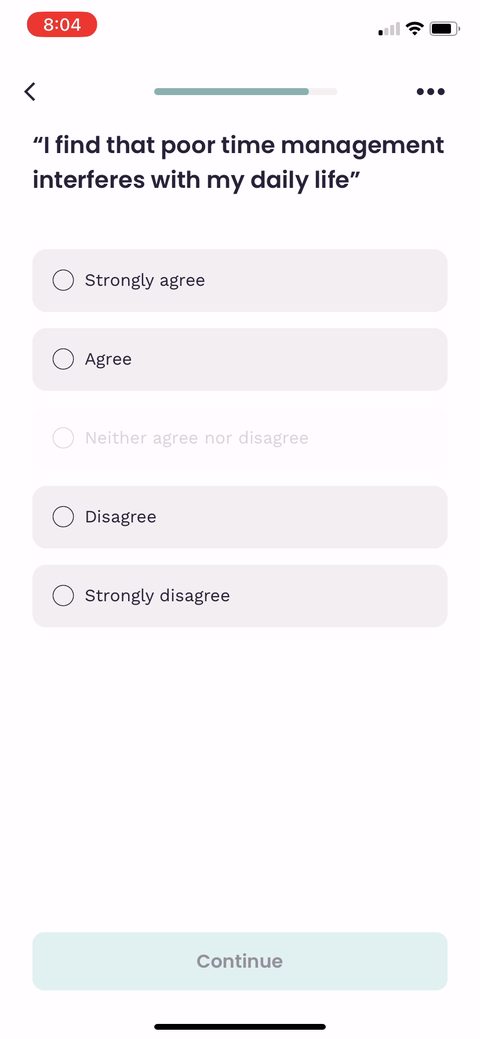 23
23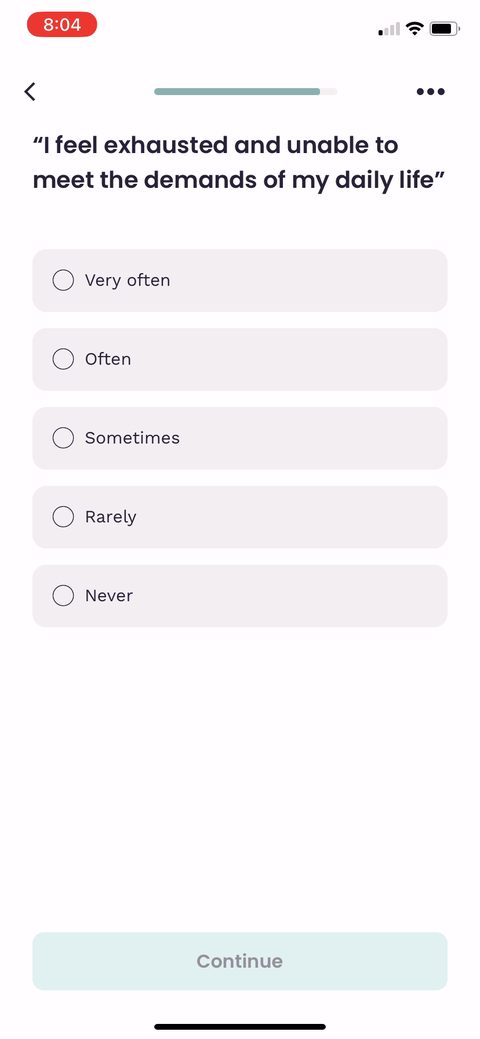 24
24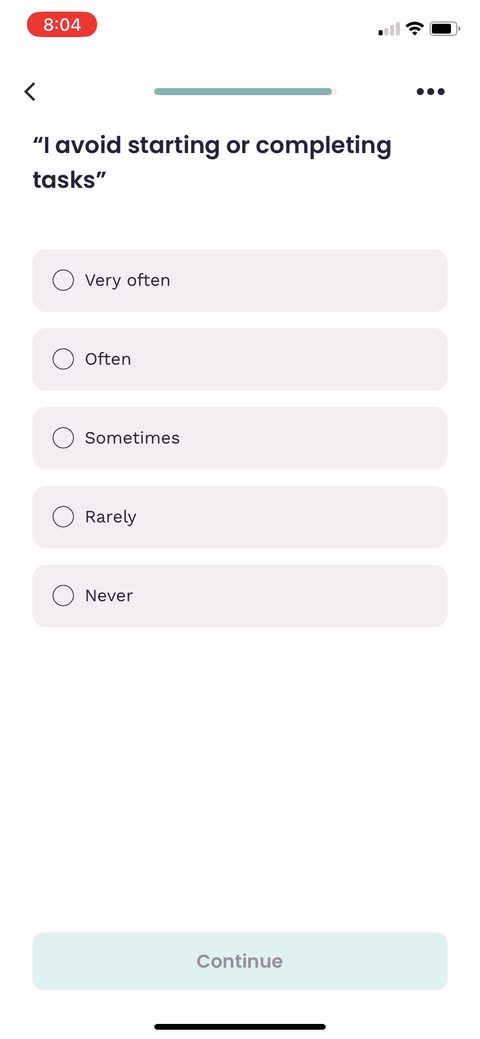 25
25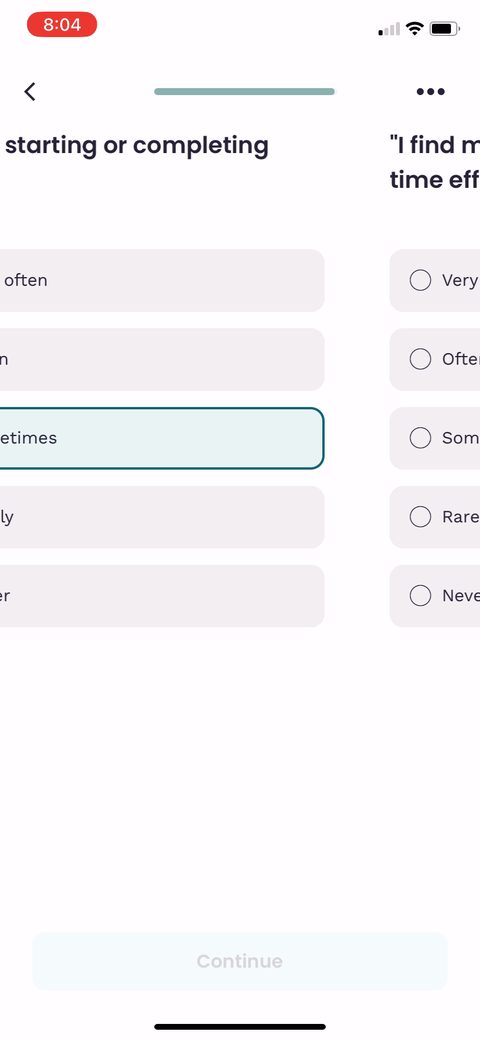 26
26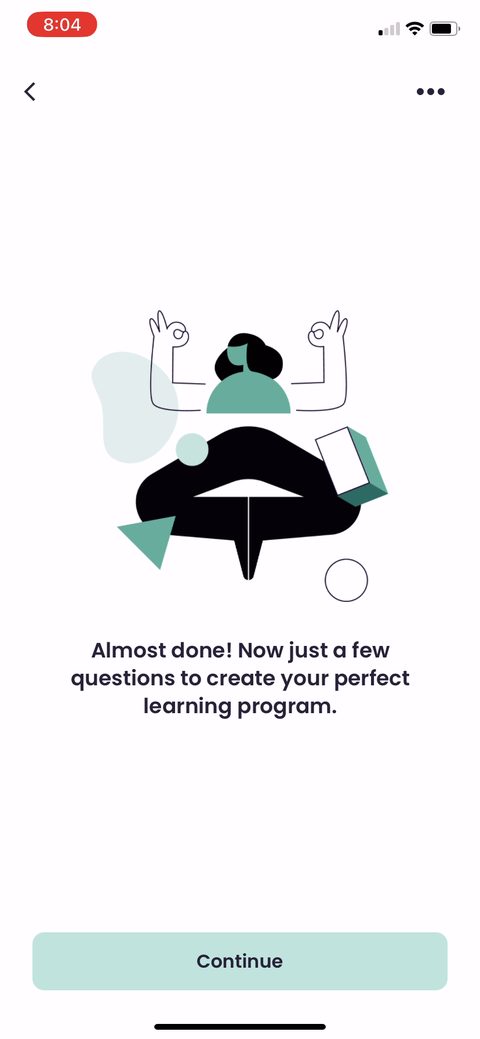 27
27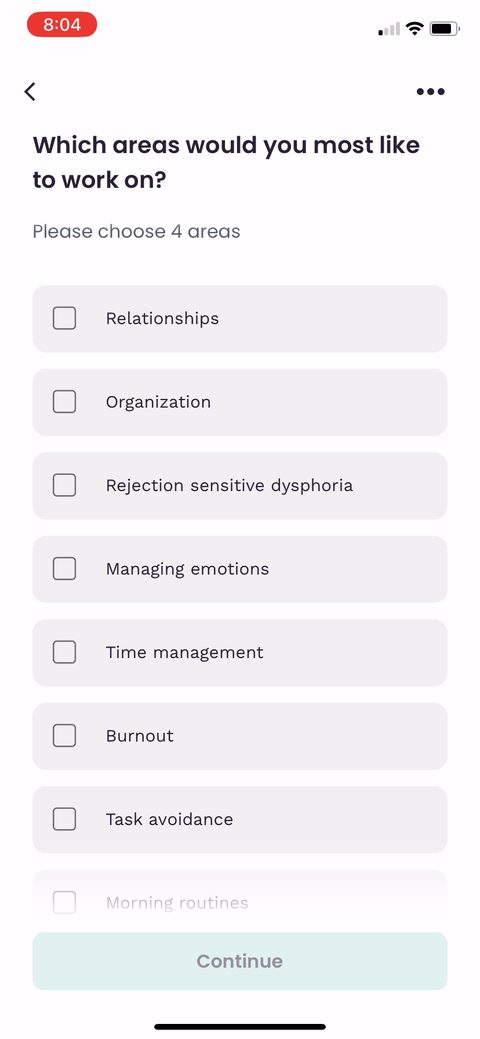 28
28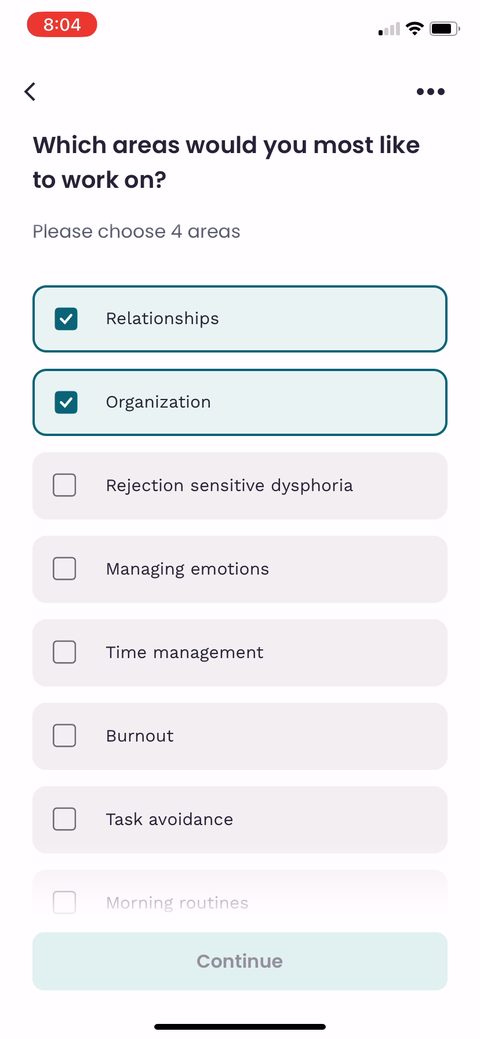 29
29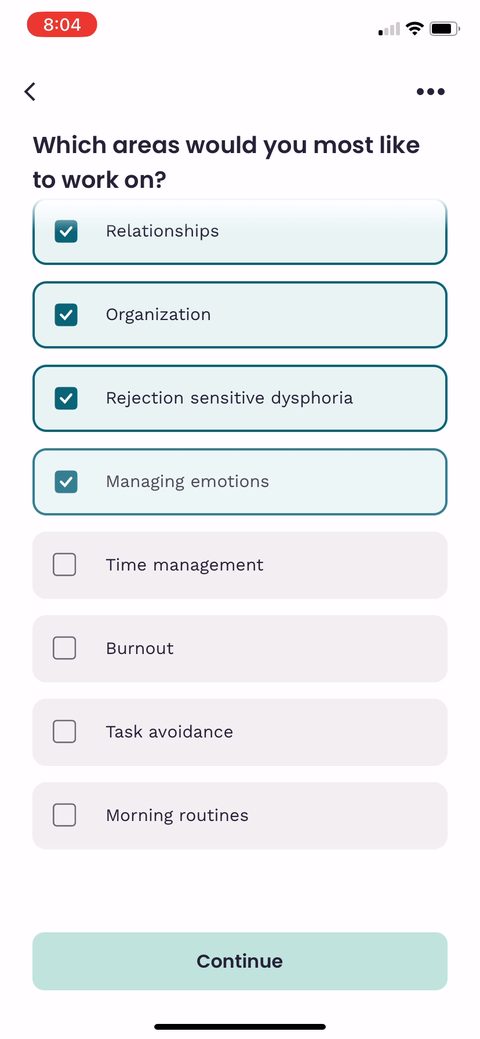 31
31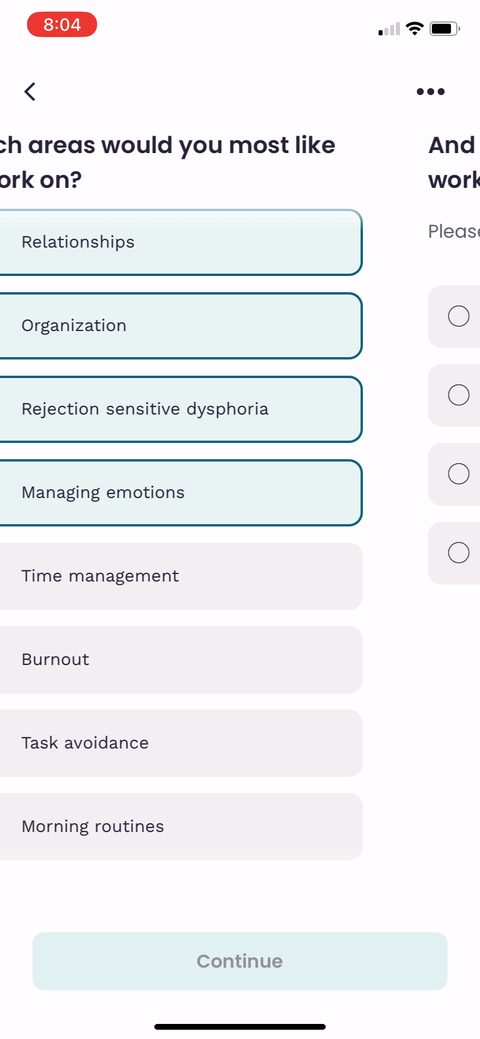 32
32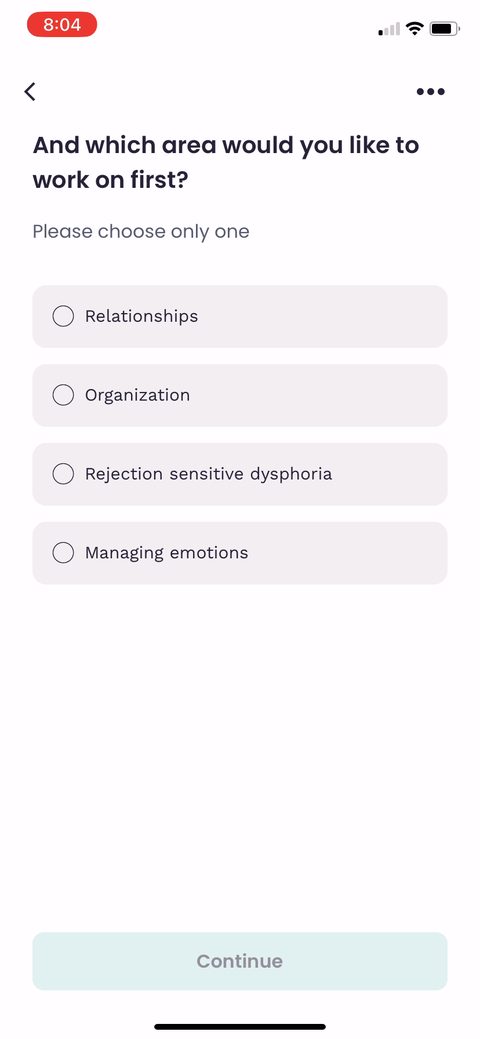 33
33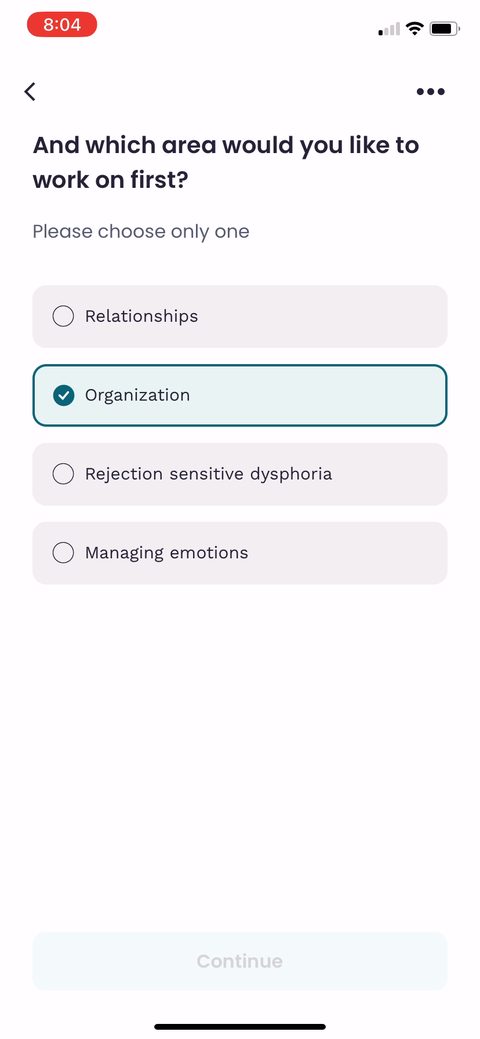 34
34 35
35 36
36 37
37 38
38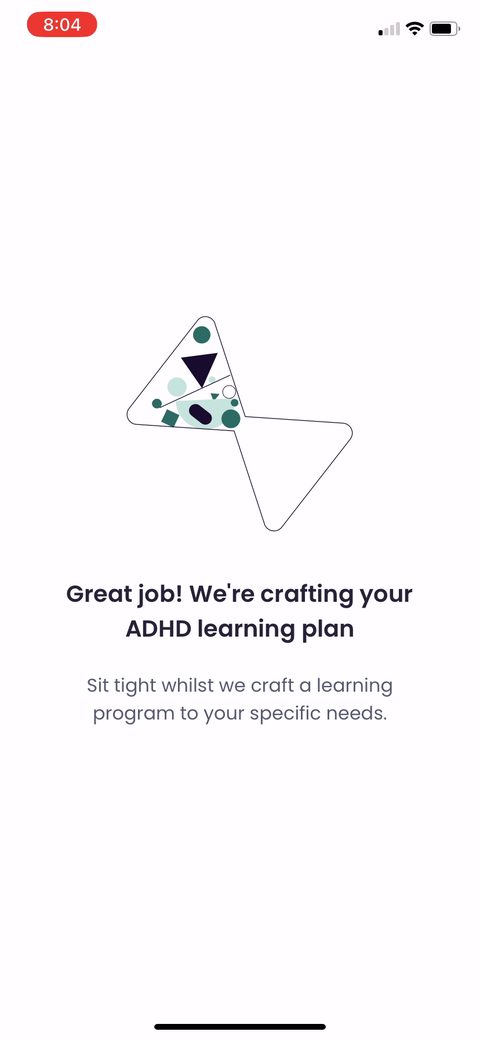 39
39 40
40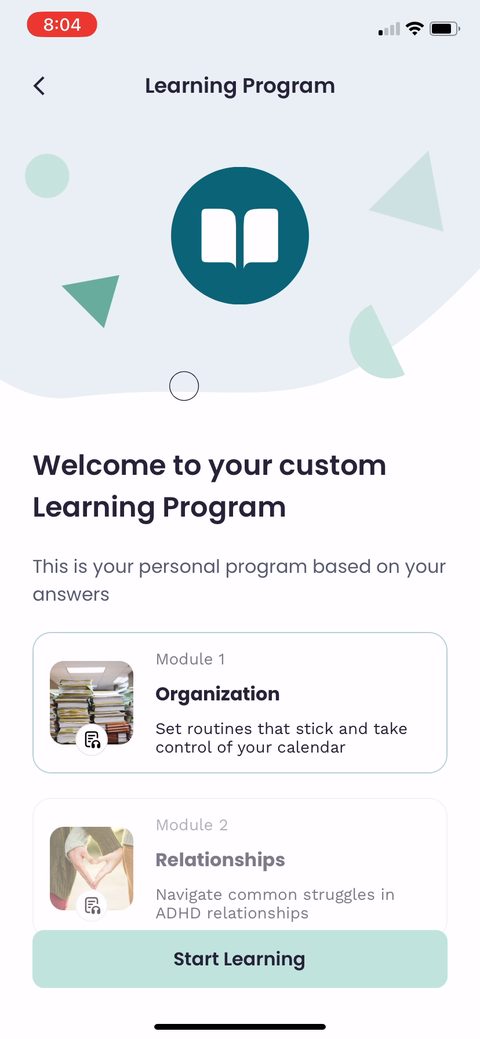 41
41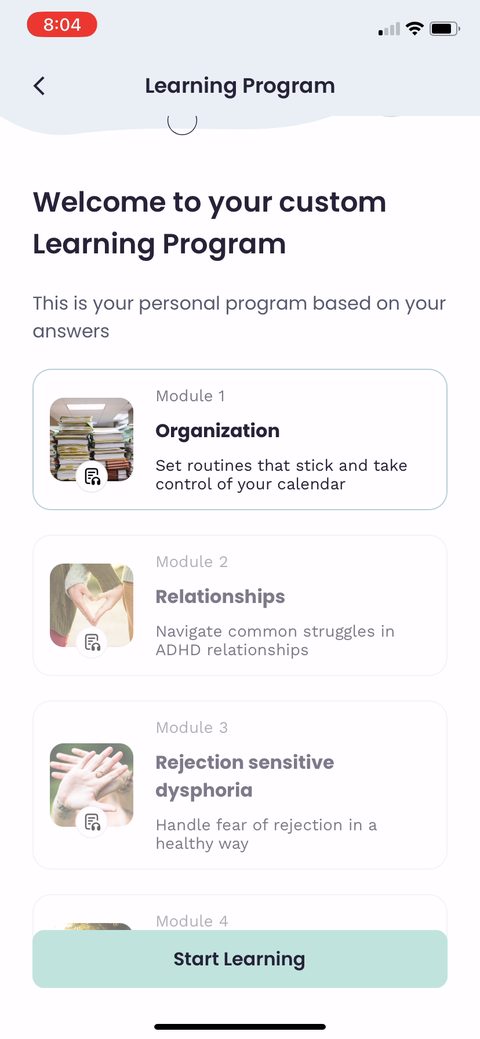 42
42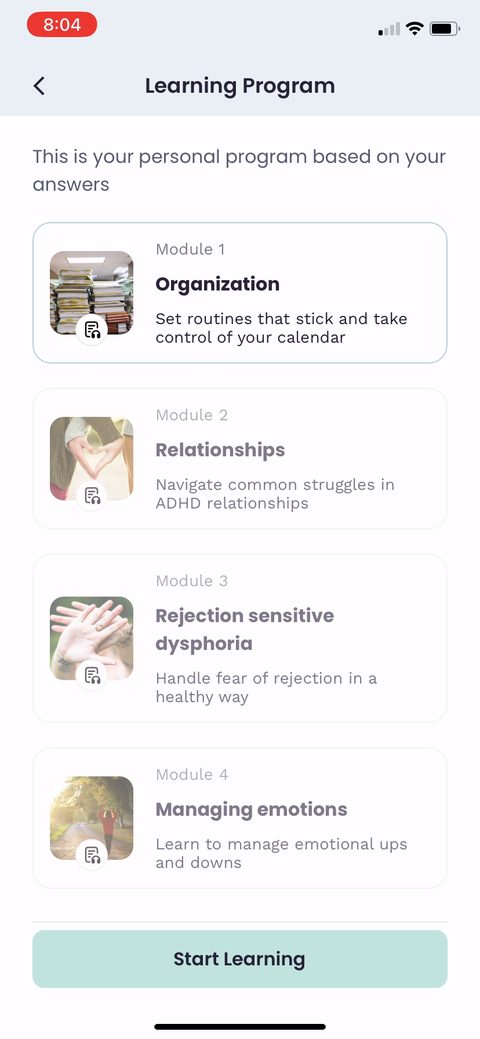 43
43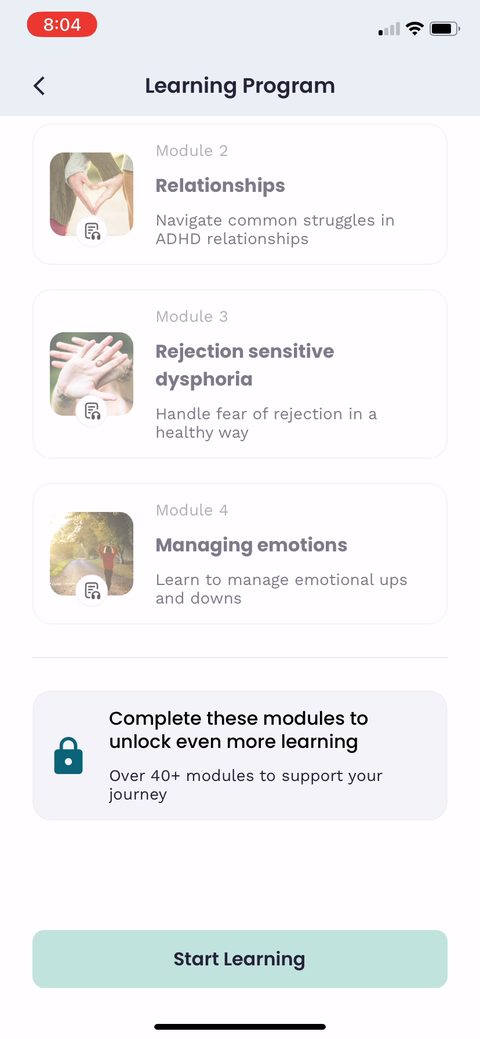 44
44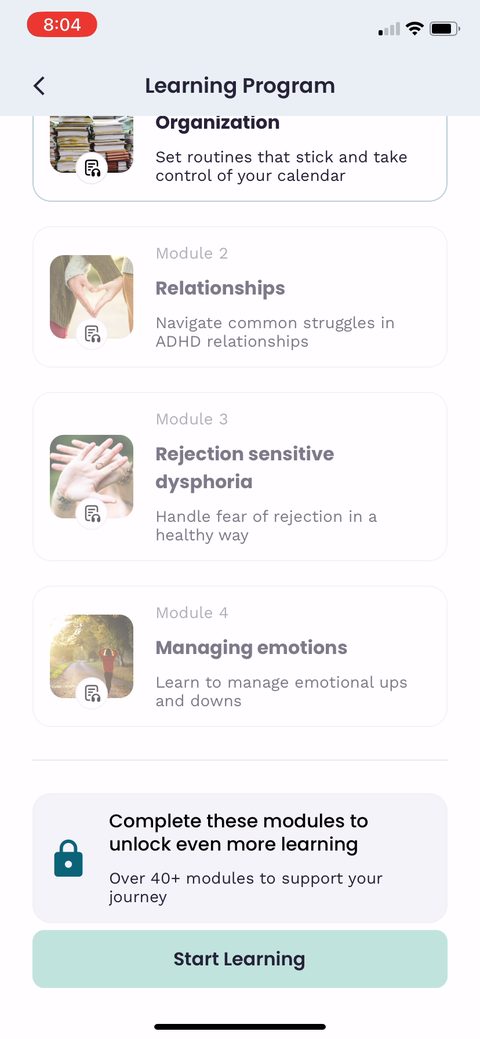 45
45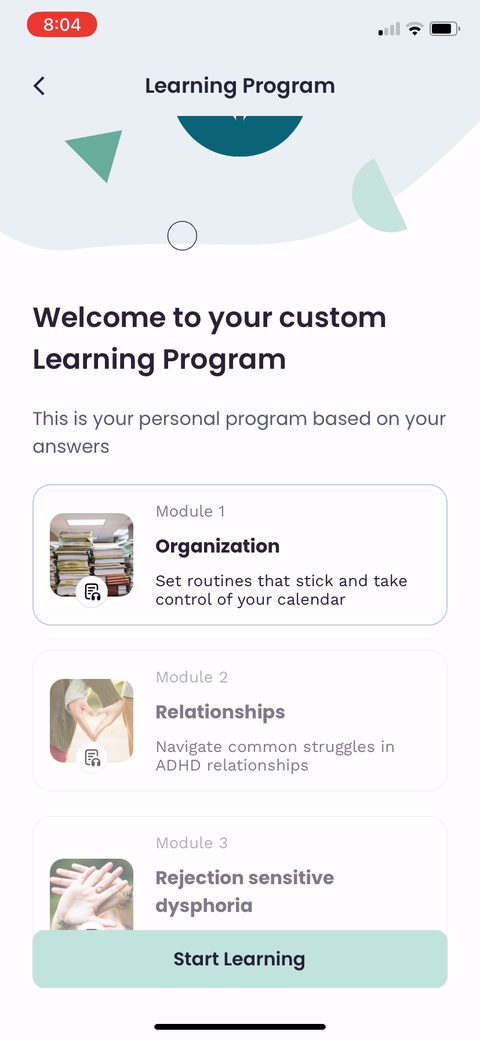 46
46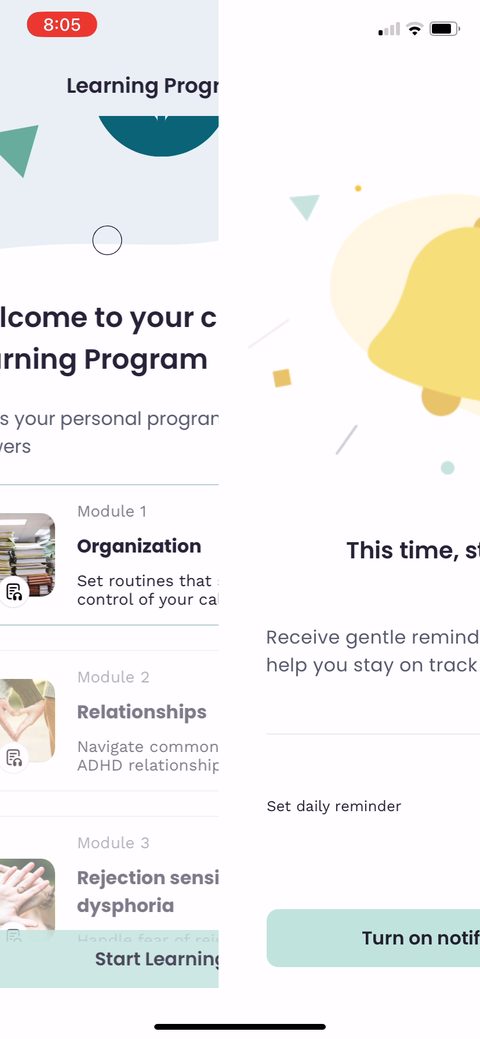 47
47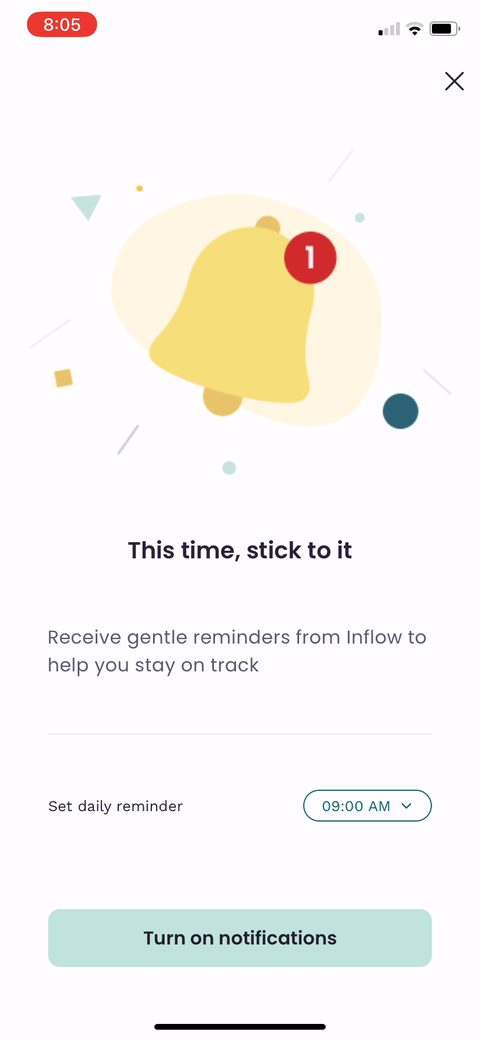 48
48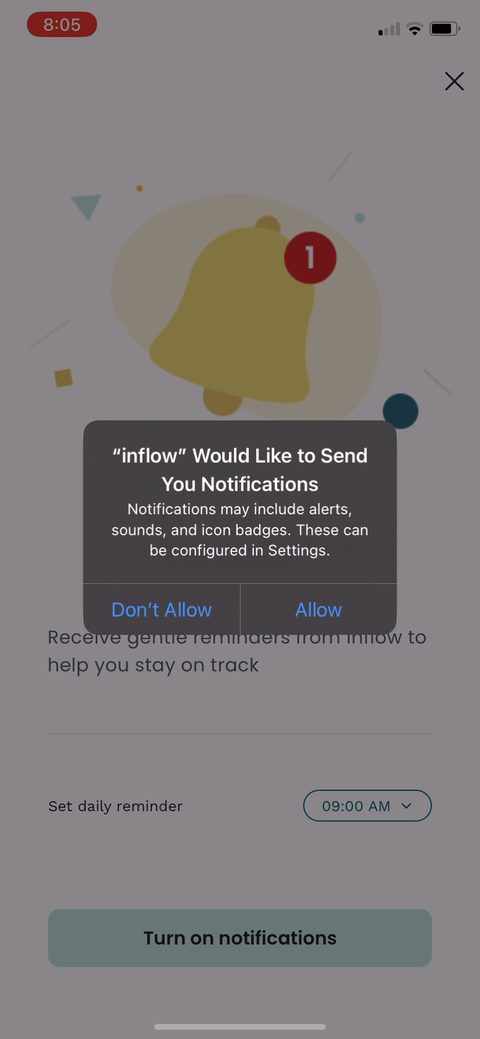 49
49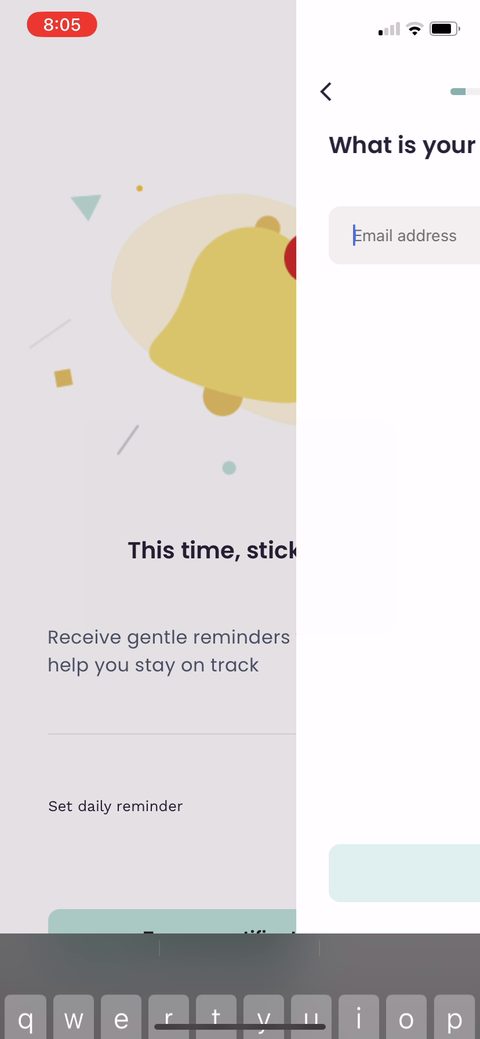 50
50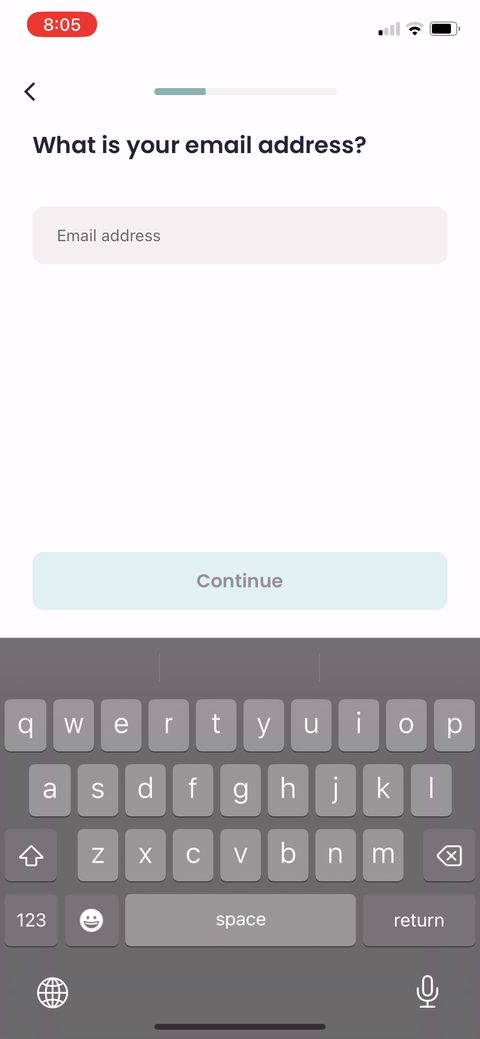 51
51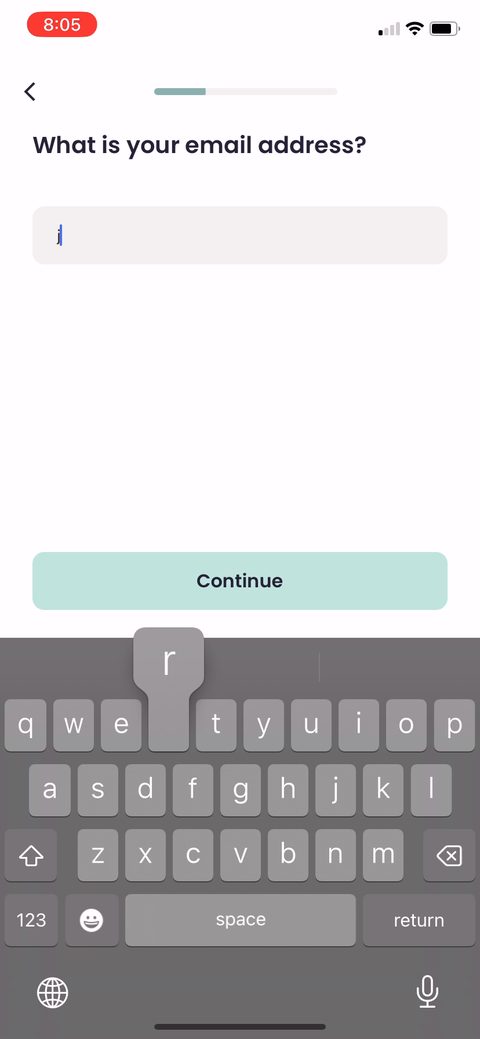 52
52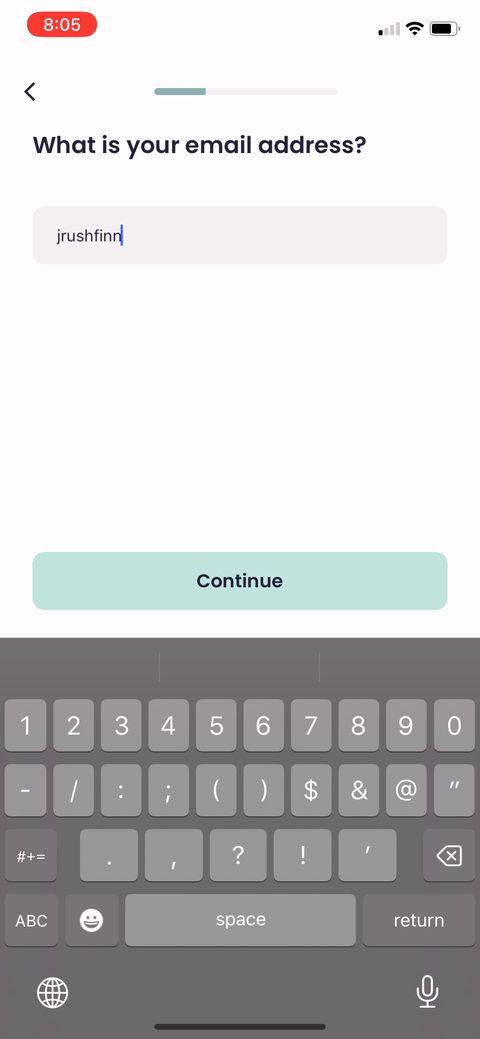 53
53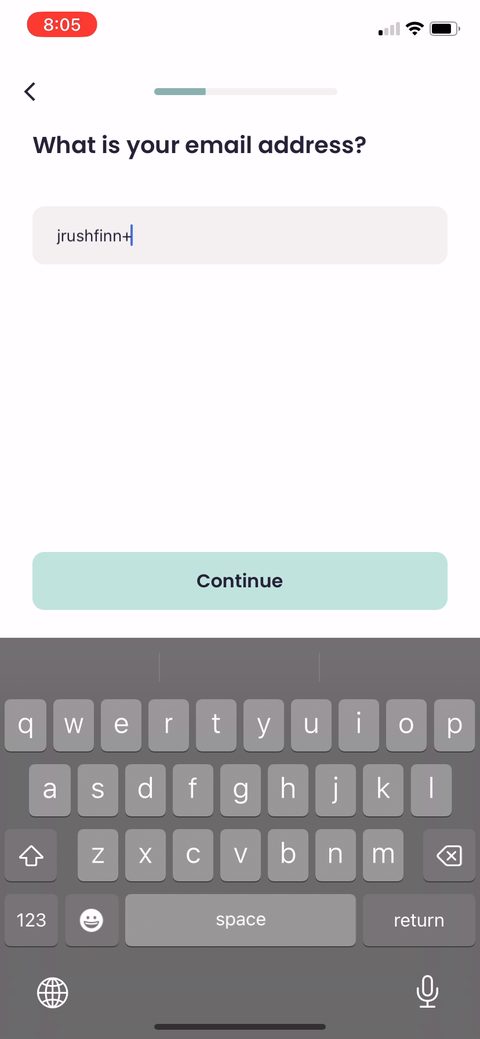 54
54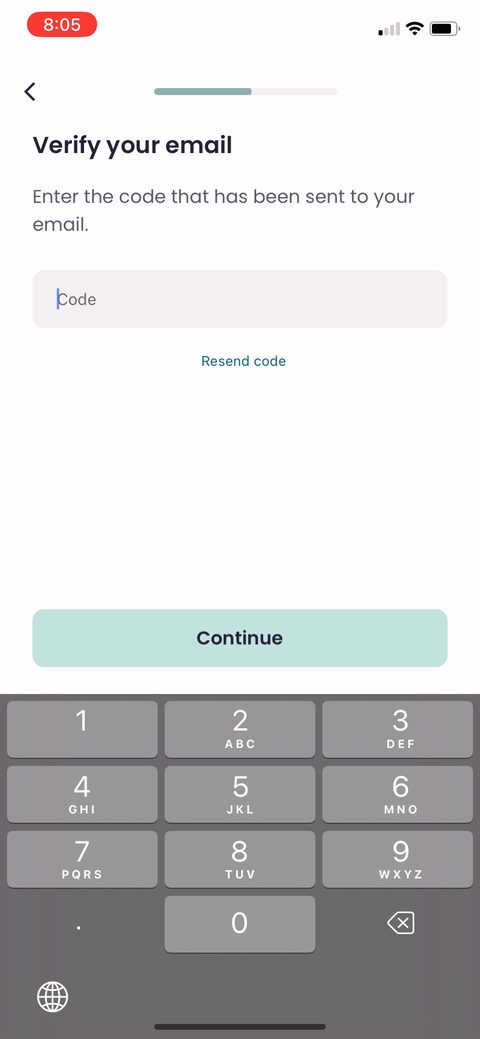 56
56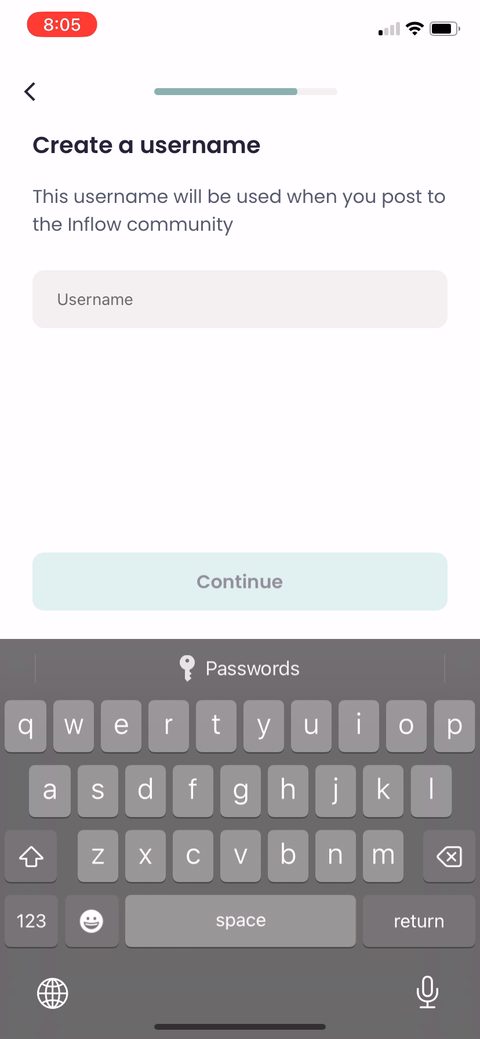 58
58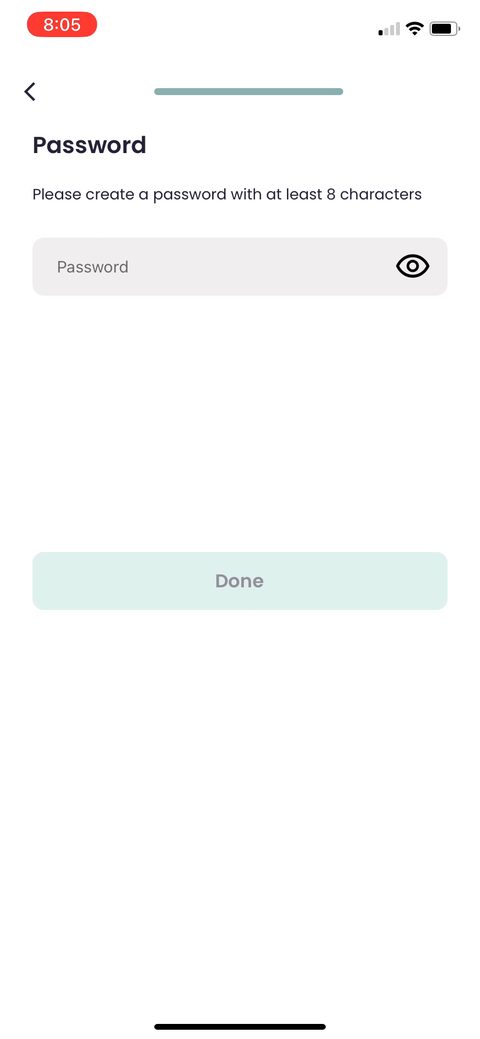 60
60 61
61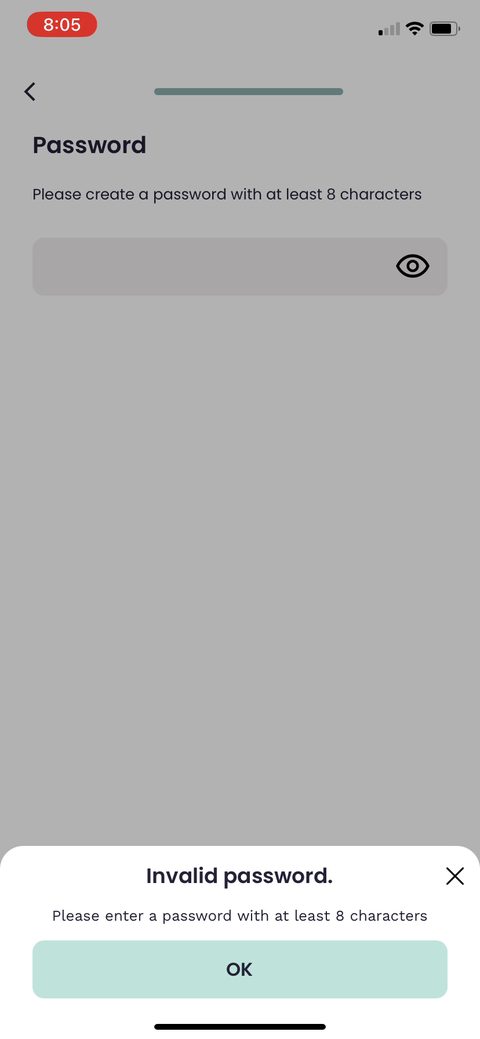 62
62 63
63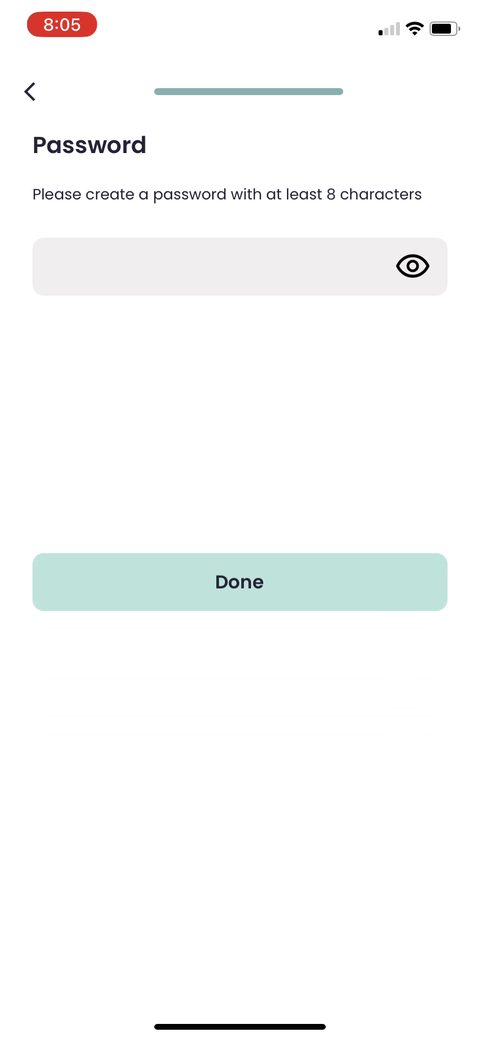 64
64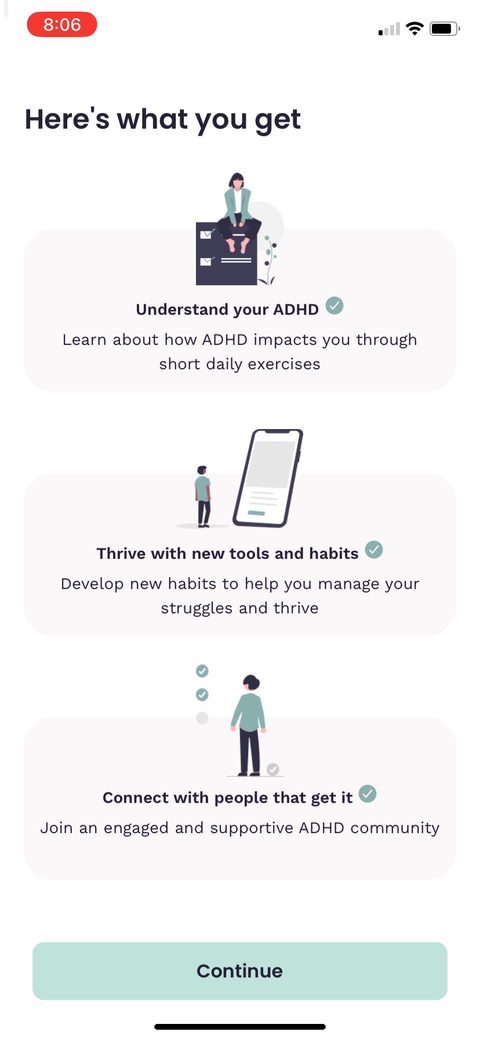 65
65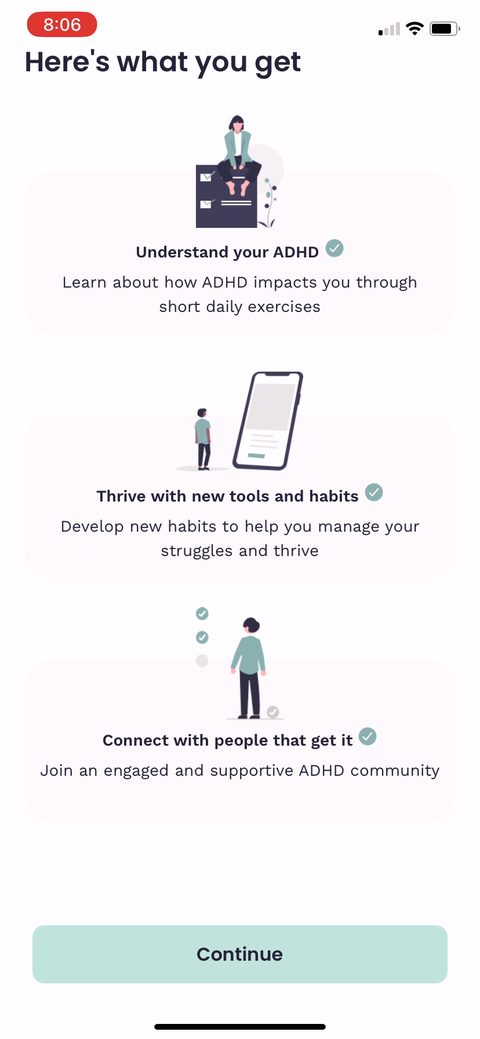 66
66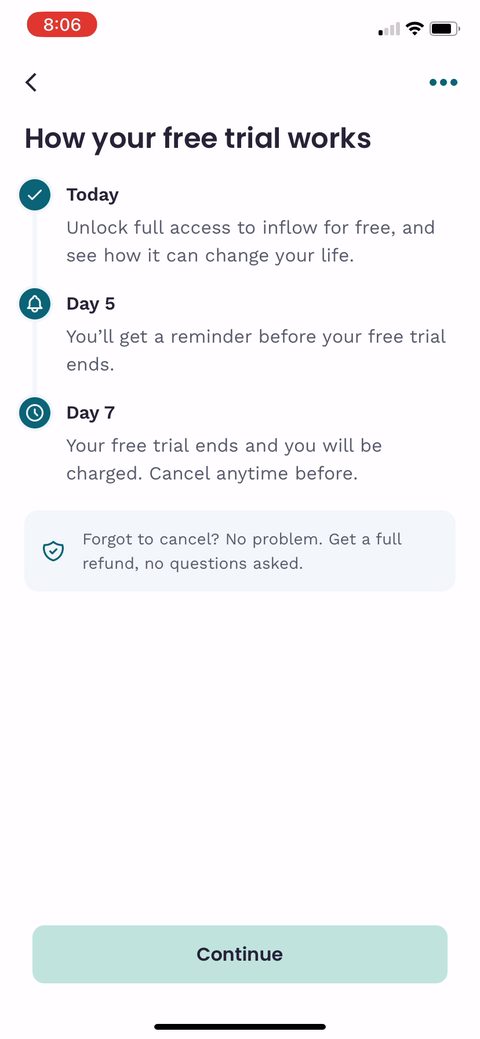 67
67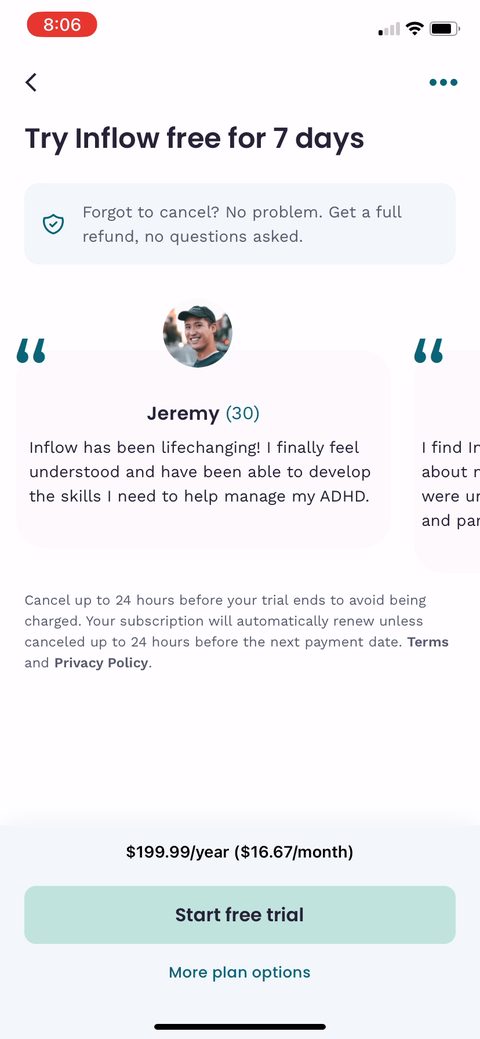 68
68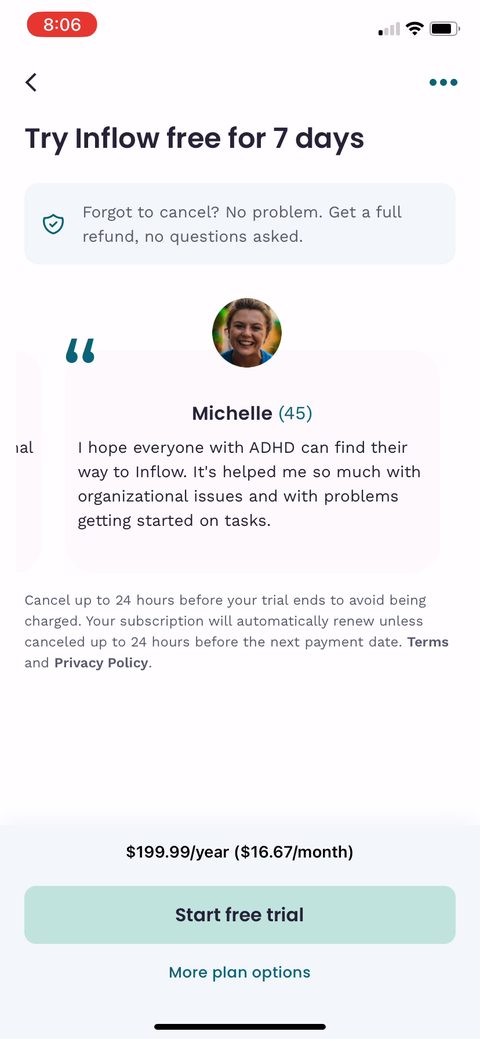 69
69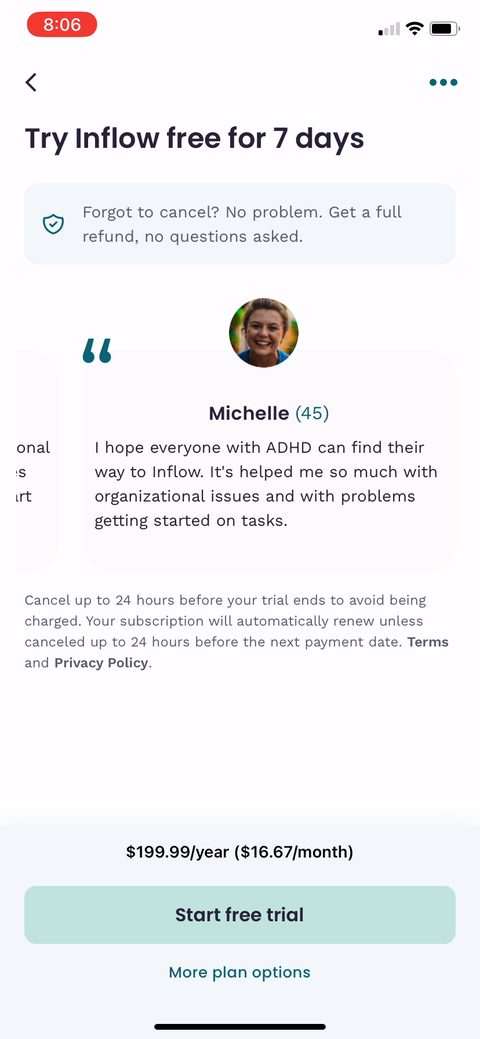 70
70 71
71 72
72 73
73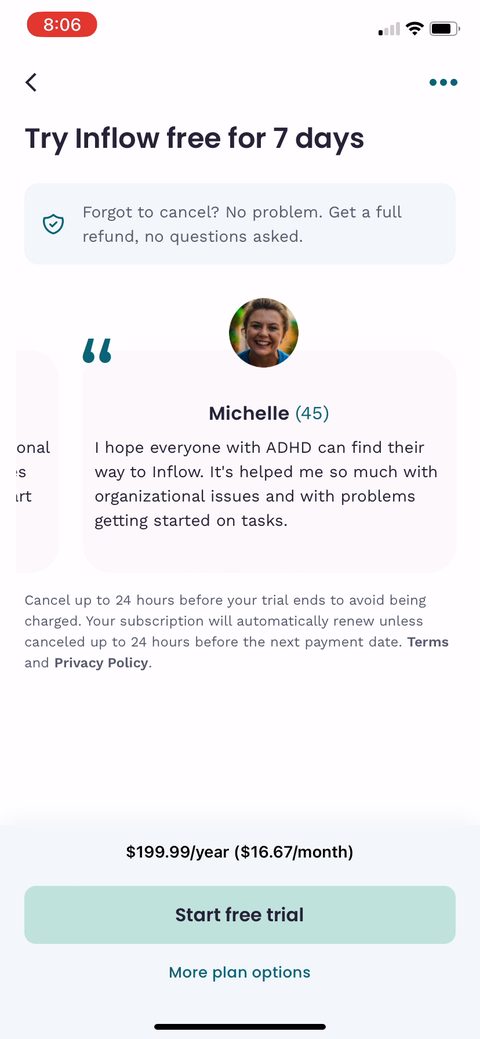 74
74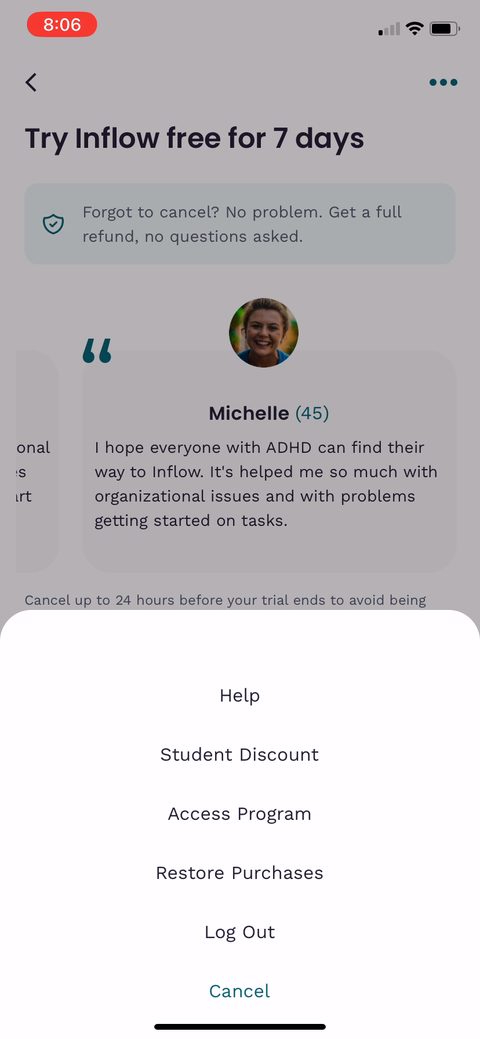 75
75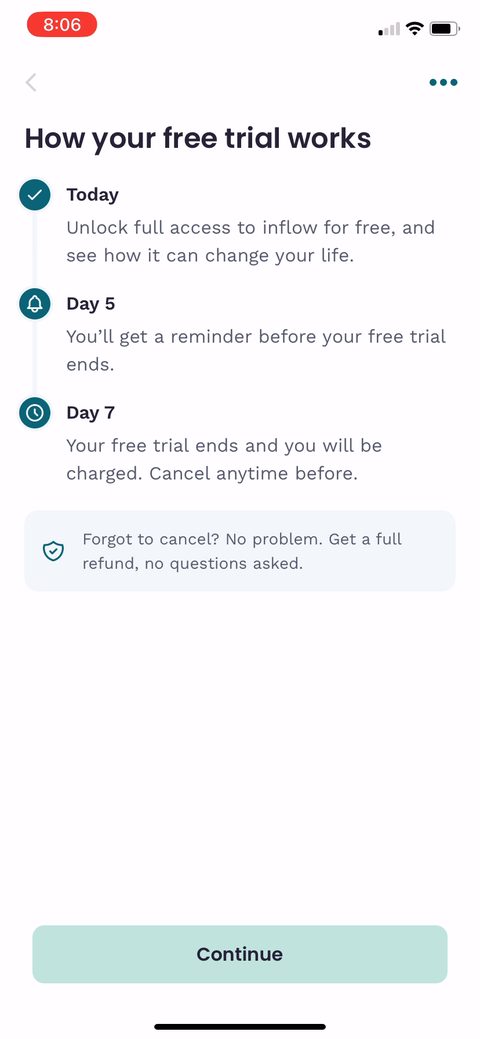 76
76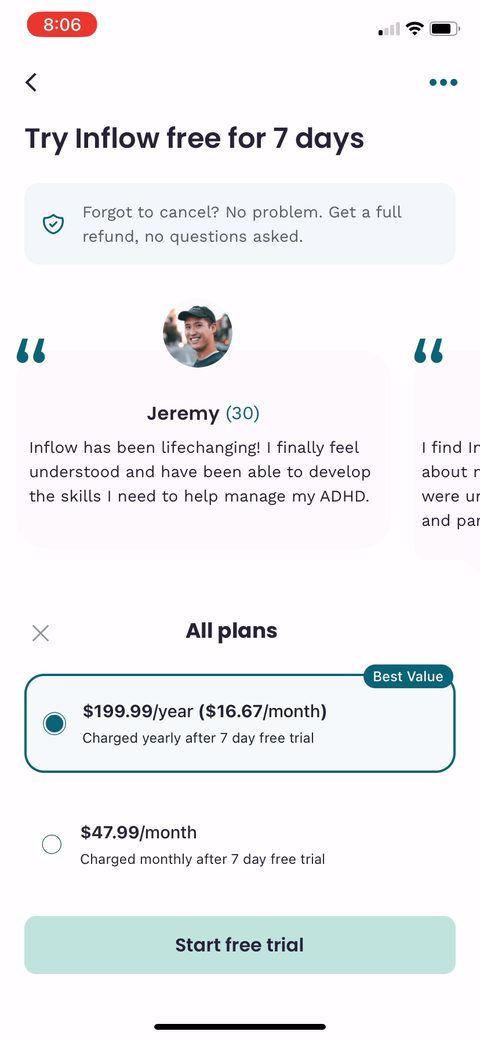 77
77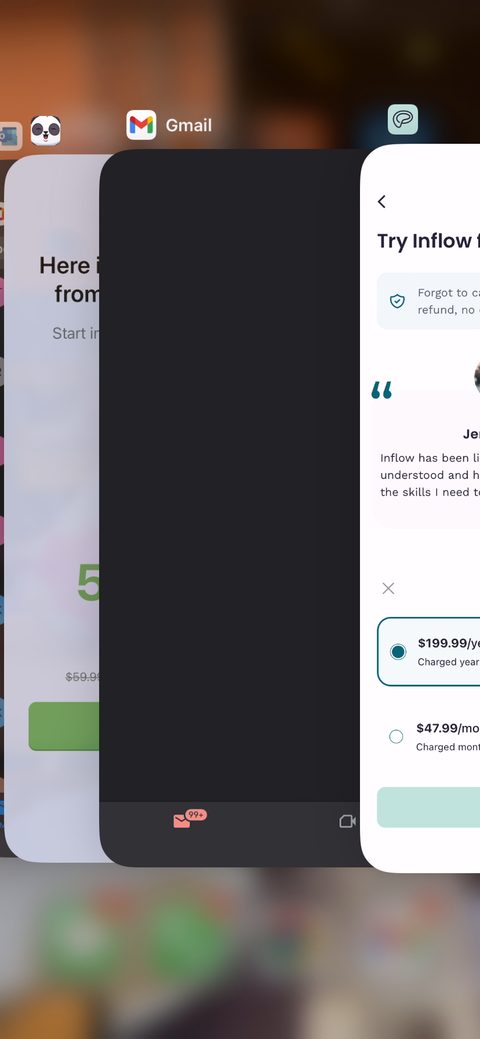 78
78 79
79