Mental HealthSoft paywall · trial optionalpaywall: post onboarding quizquiz drivengoal settingvalue prop carouselannual default with trialone plan onlypricing anchor strikethrough
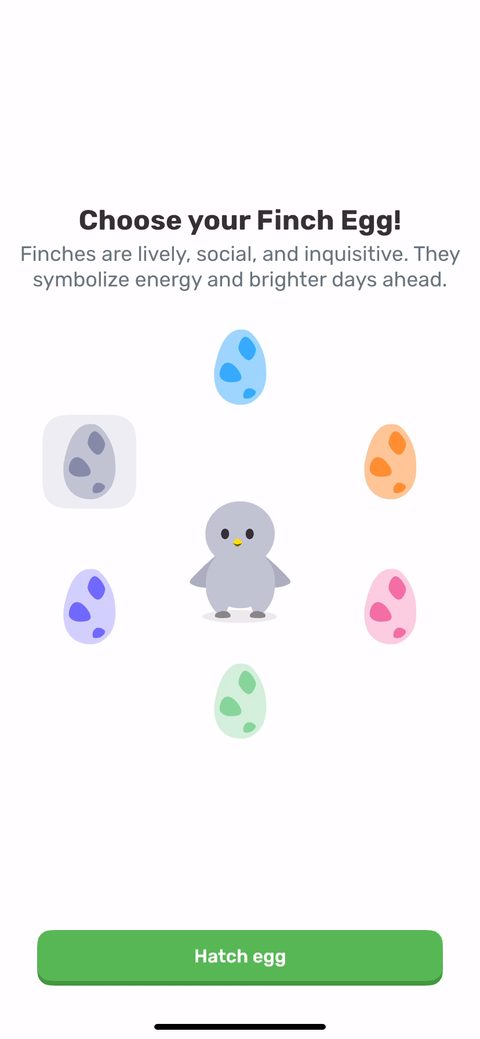
1You pick an egg and hatch a pet before doing anything else. 'Choose your Finch Egg' then a 'Hatch egg' button is the whole first screen. You own the bird immediately, and every question after this is framed as caring for something that's already yours. That's the hook the rest of the flow leans on.2346Picking your birb's pronouns. Reads like a small personalization step, but it's the first bit of investment: you're making the pet specific and yours before you've committed to anything.789Naming the bird, with 'Peanut' pre-filled as a placeholder. Naming is the cheapest form of attachment you can ask for, and once it has a name you've made it real. 'You can change this later' removes the pressure to get it perfect.1011Choose a trait for Waddles: curiosity, resilience, compassion, logic. Zero-party data dressed as a game. They learn what you value while you think you're just building your pet's personality.1213141516Interactive dialogue where the bird asks 'what is a name?' and you pick how to answer. A micro-commitment that doubles as roleplay: you're teaching your pet, which builds attachment before any ask. Most apps would have made this a static text screen.1718Now the bird asks for your name. They captured it by having the pet be curious about you instead of a cold form field. Same data, but it feels like the relationship asking rather than a signup step.19Daily check-ins help Waddles gain energy to grow. The value prop ties your habit to the pet's wellbeing: skip a day and the pet doesn't grow. That's the retention loop stated plainly before they ask for anything.202122'Your companion Waddles is always here for you.' Emotional benefit framed around the pet, not features. For a self-care app the product is the feeling of being supported, and that's what they're selling.23242526Notification permission, and the prompt comes from Waddles: 'I believe in you, cheep!' Framing the ask as your pet rooting for you beats a generic 'turn on notifications.' This is the retention lever for a daily-habit app, so the message copy is worth testing.27Pick some easy goals, multi-select, with options as low as 'literally survive the day' and 'get out of bed.' Deliberately tiny goals so anyone can win on day one. Setting the floor this low protects early activation for users who are struggling.2829303132The paywall. A 7-day trial timeline (today / day 5 reminder / day 7 charge), annual only at $39.99 with $69.99 struck through, and 'offer expires when you exit this screen.' Fires right after you've named, raised, and set goals with the pet, so buy-in is high. 'Skip this one-time offer' keeps the free path open, which fits Finch being freemium.33343536373839Add the Finch widget to your home screen. The widget is a passive reminder of the pet, so it drives the daily return without leaning on a notification. Asking during onboarding while intent is highest is the right time.40414243444546Micropet Playland: 'invite friends to get this micropet.' The referral loop is baked into the collection mechanic. You want the rare pet, the only way to get it is invites, so the game runs your user acquisition.474849Tree Town, where you support friends and they support you. A social graph layered on a self-care app raises retention and gives the invite loop somewhere to land. The people you bring in become reasons to keep showing up.5051525354555657585960Second paywall, 'Join 150,709 others finding joy,' surfaced after you've used the free app a bit. Same 7-day trial with social proof added and a softer 'maybe later.' Most people don't buy on the first wall, so a contextual second ask after some value picks up a chunk of the conversions.61626364656667686970717374757677787980818283
Powered byBotsiAI/ML models to show the right paywall to each user to grow revenueLearn more →
 1
1 2
2 3
3 4
4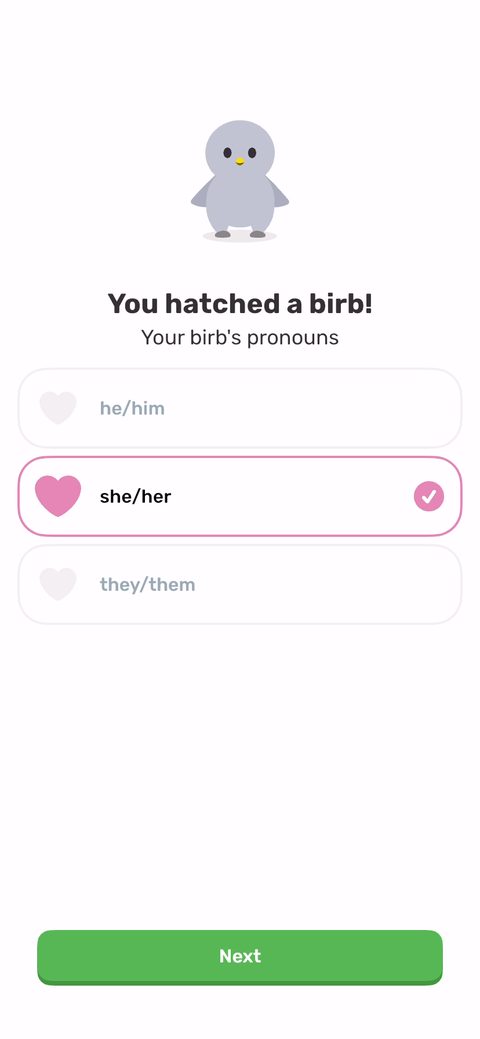 6
6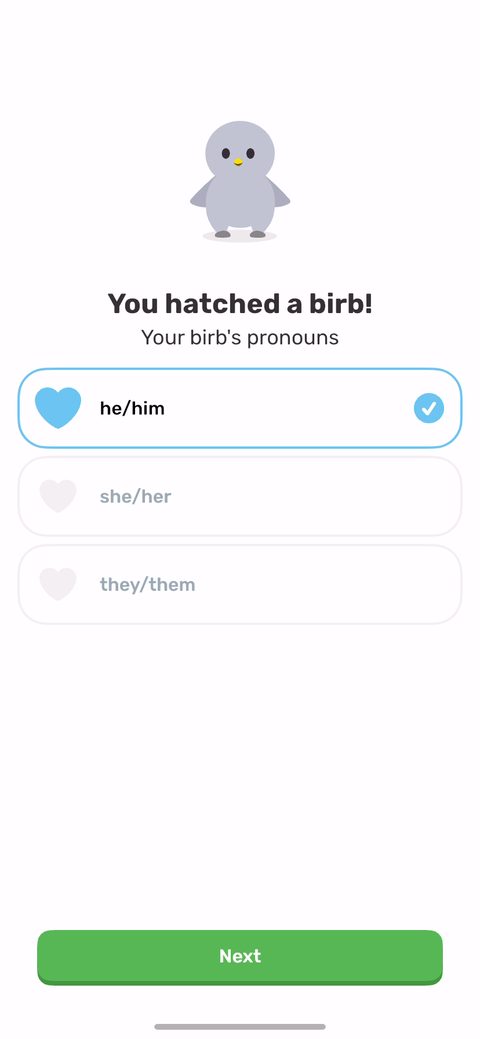 7
7 8
8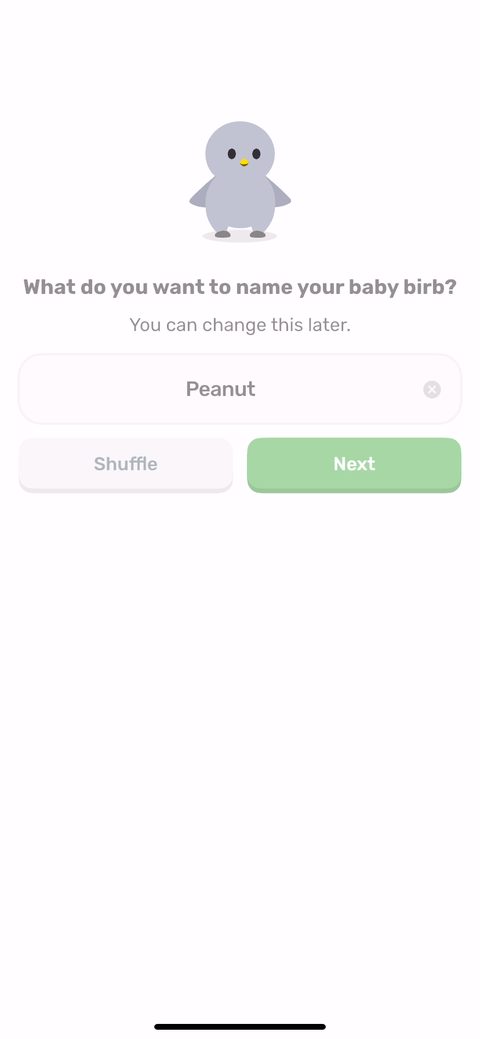 9
9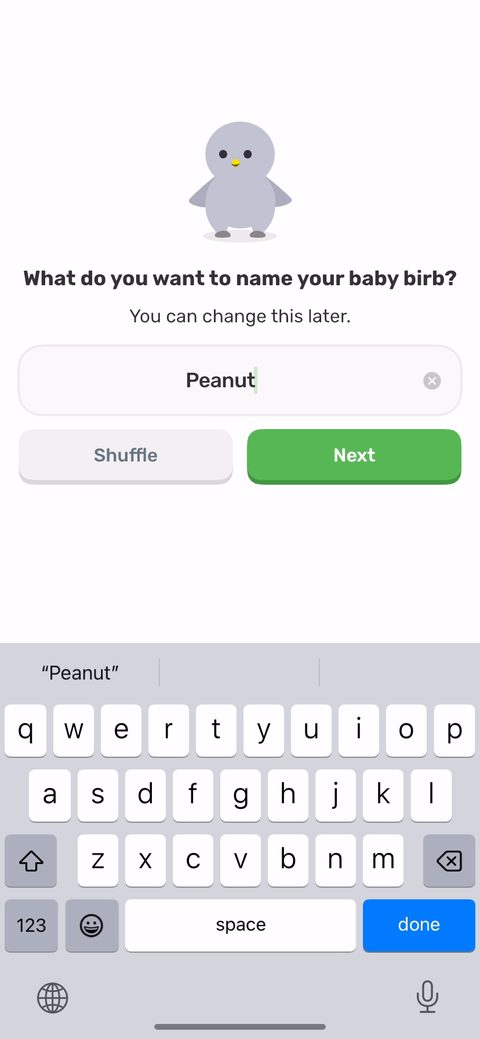 10
10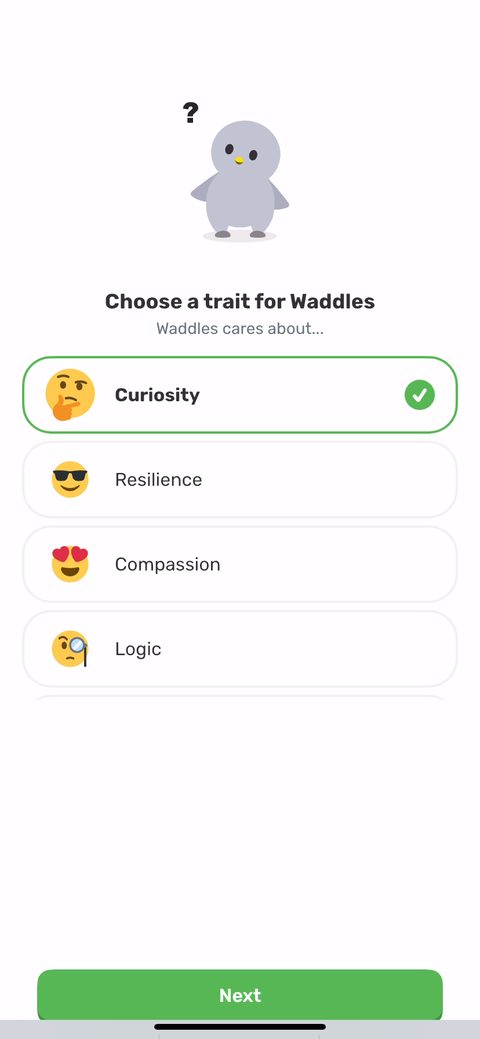 11
11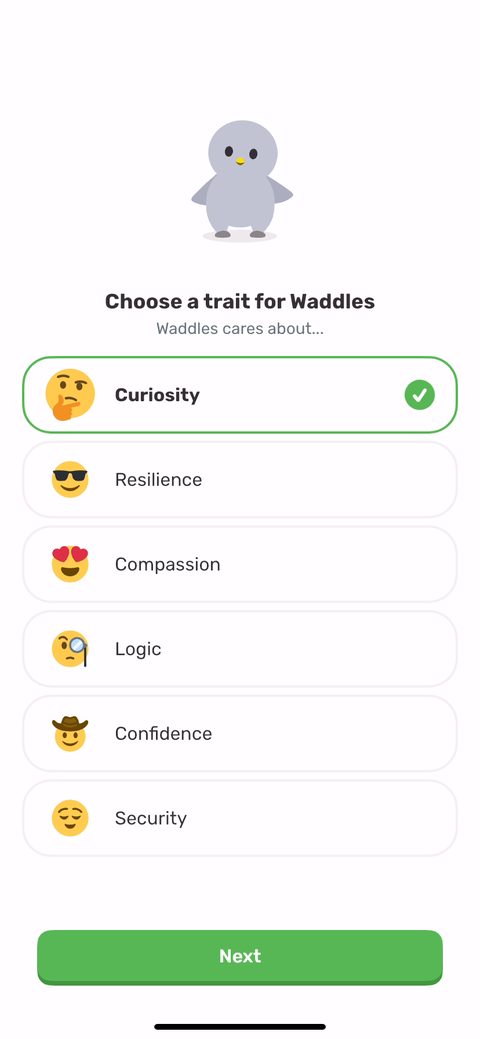 12
12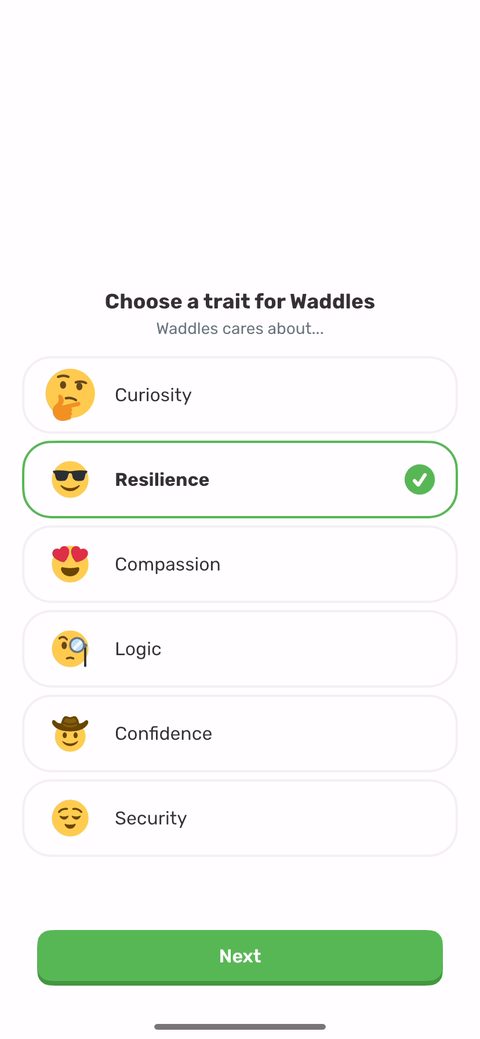 13
13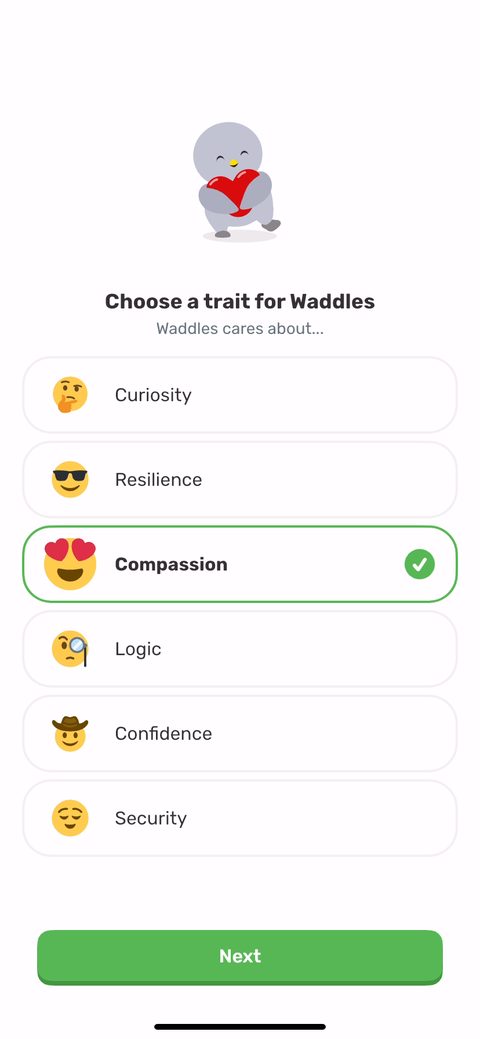 14
14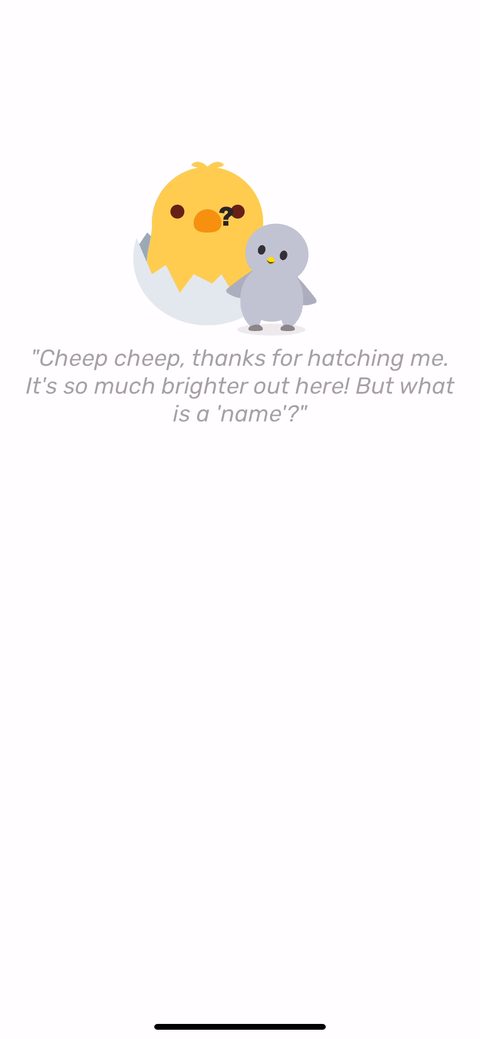 15
15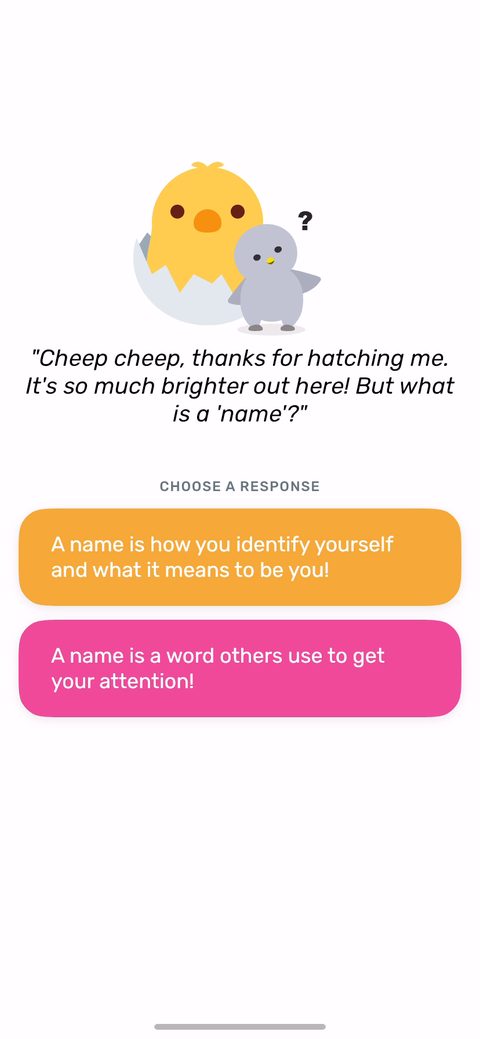 16
16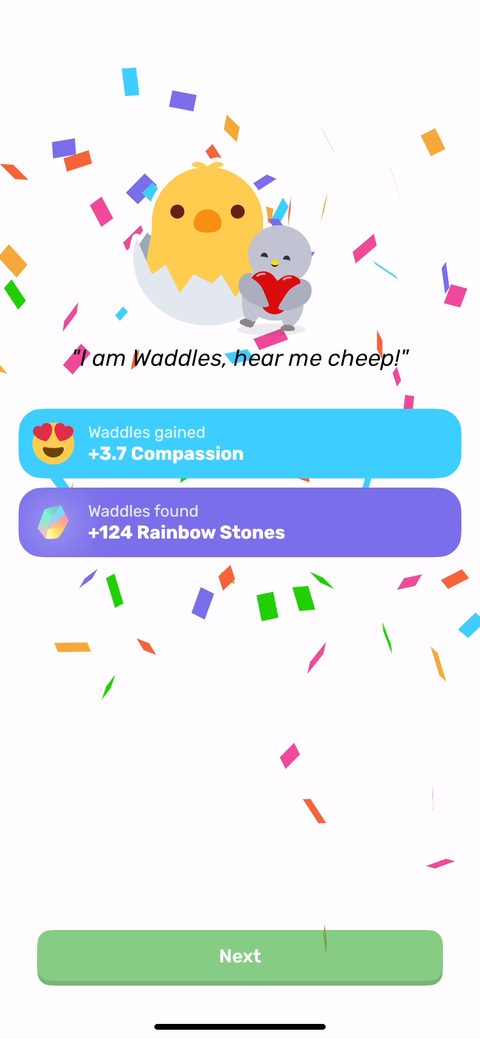 17
17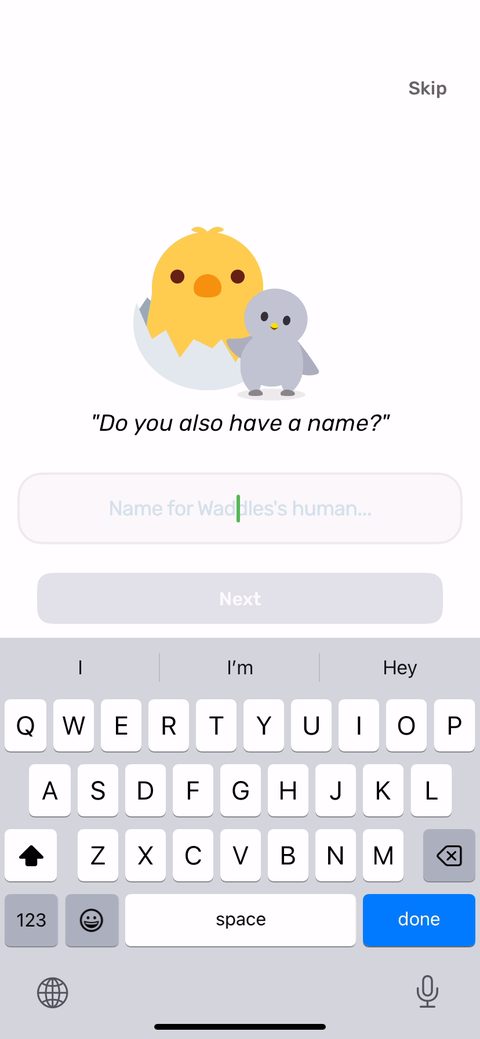 18
18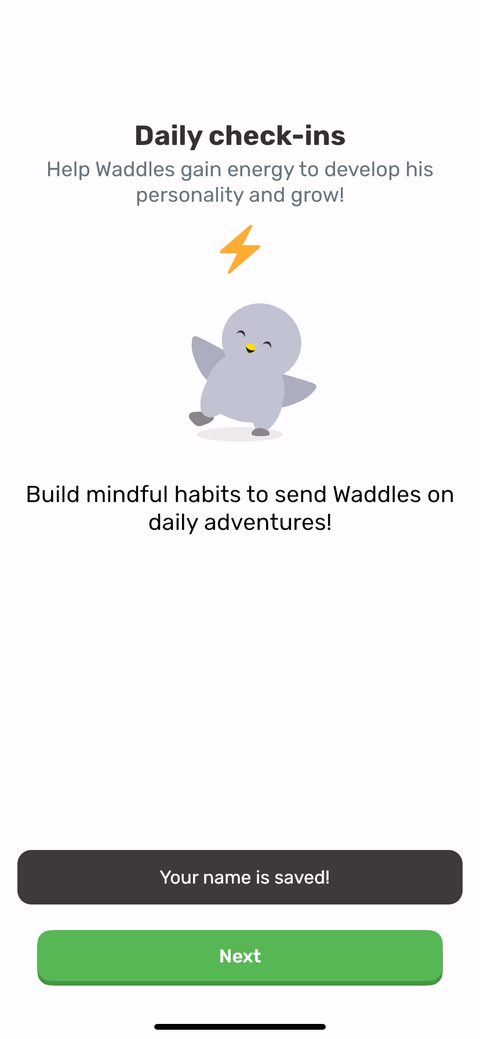 19
19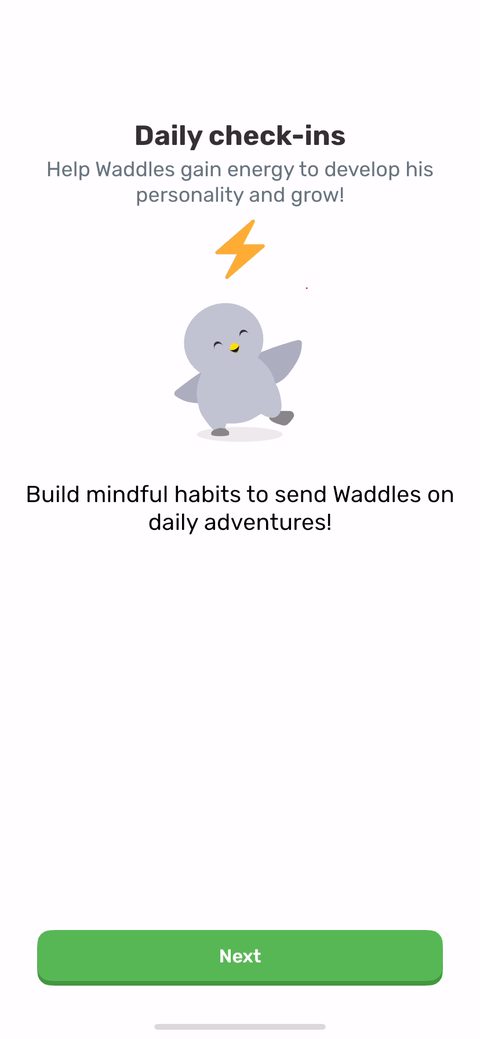 20
20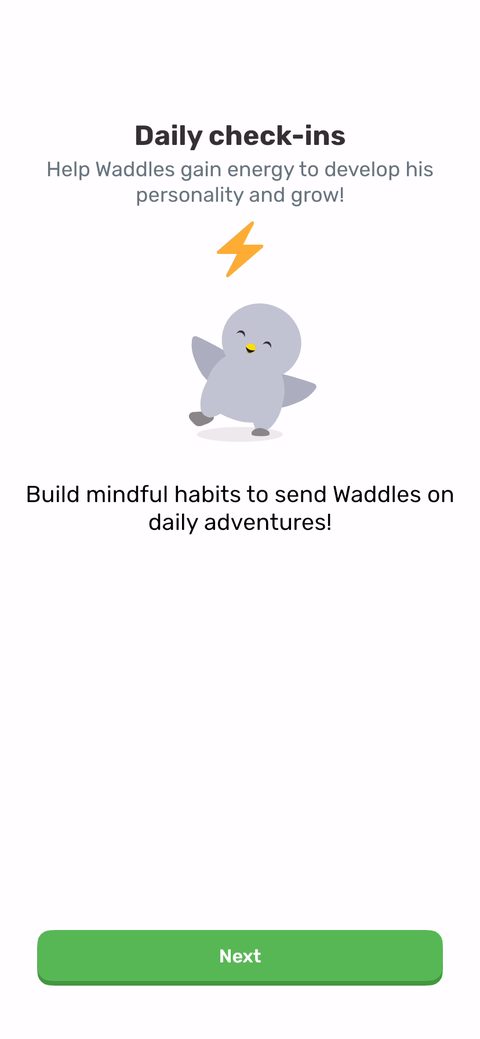 21
21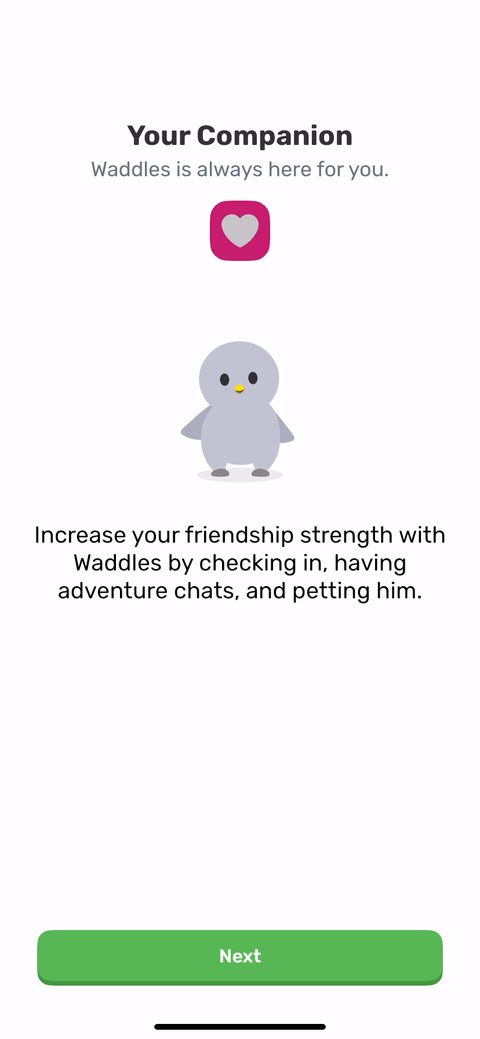 22
22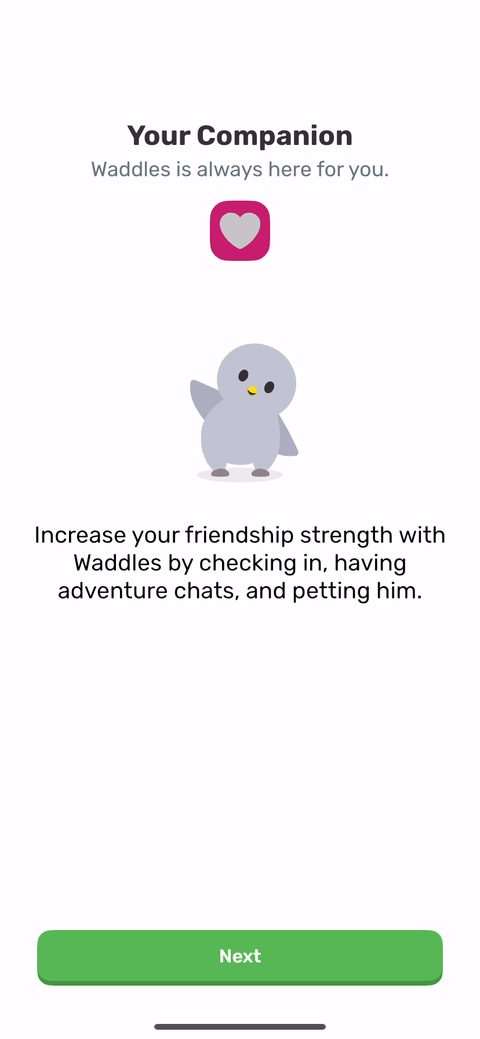 23
23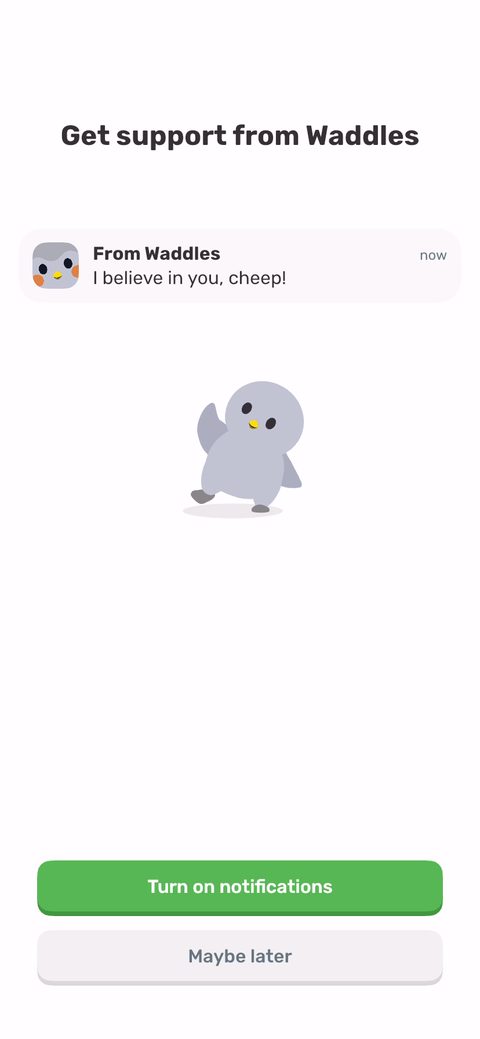 24
24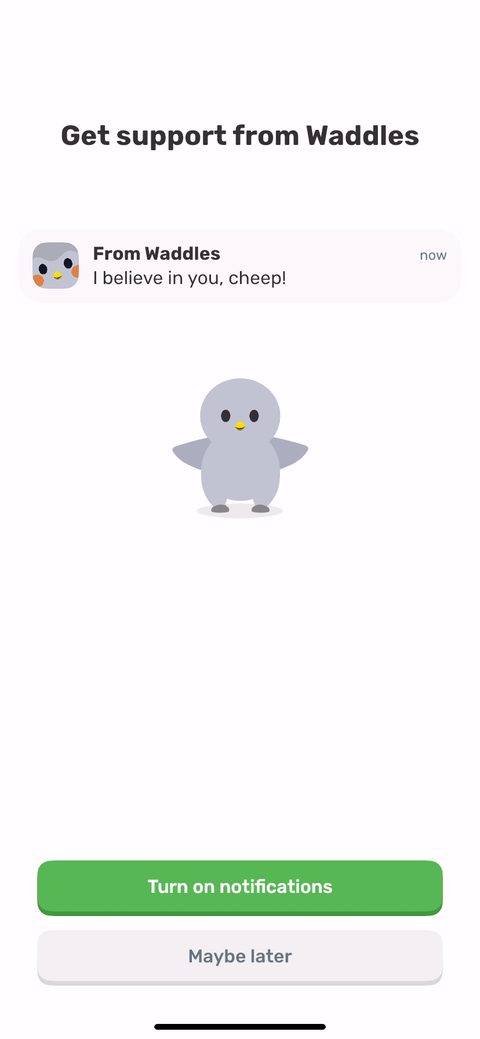 25
25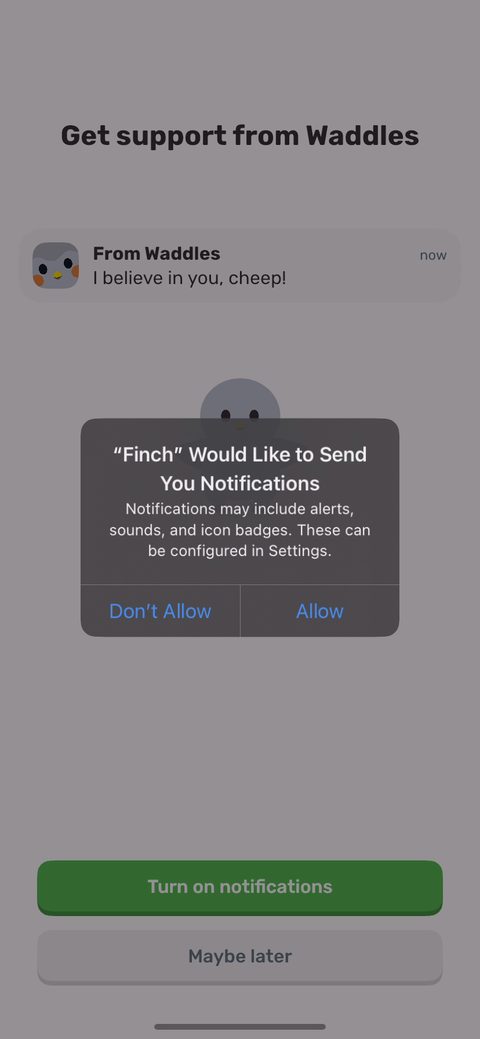 26
26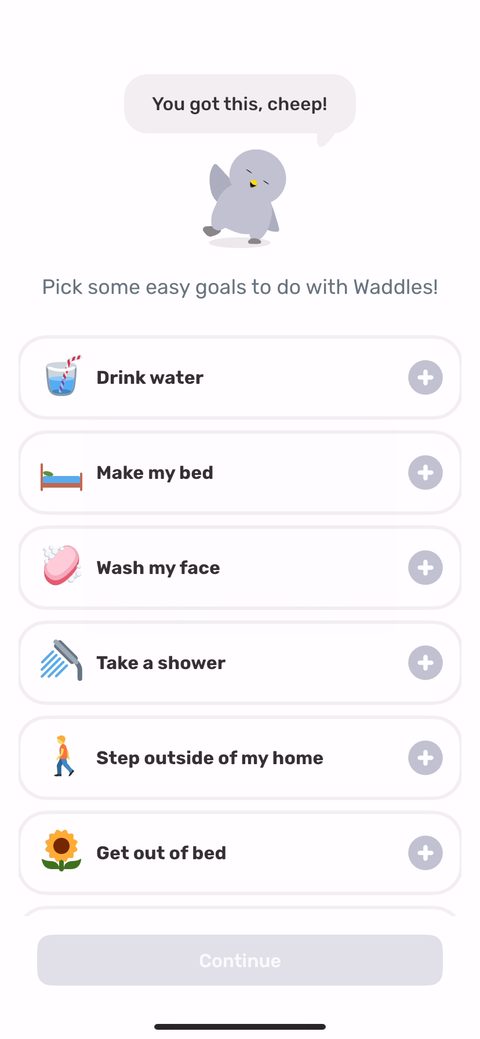 27
27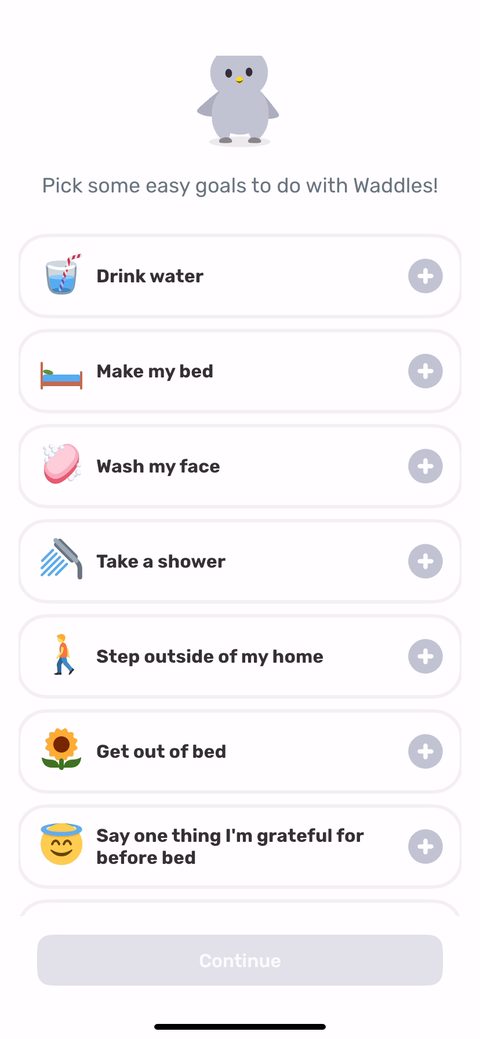 28
28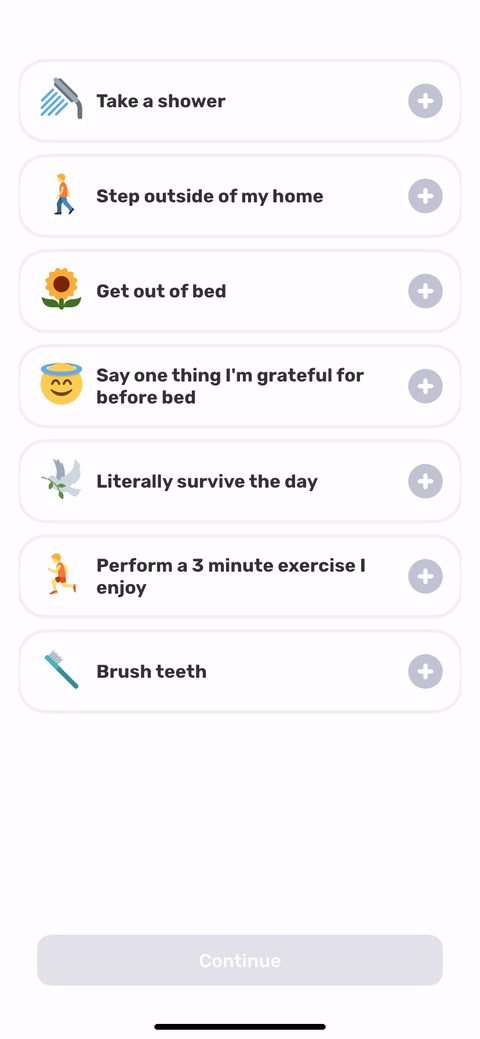 29
29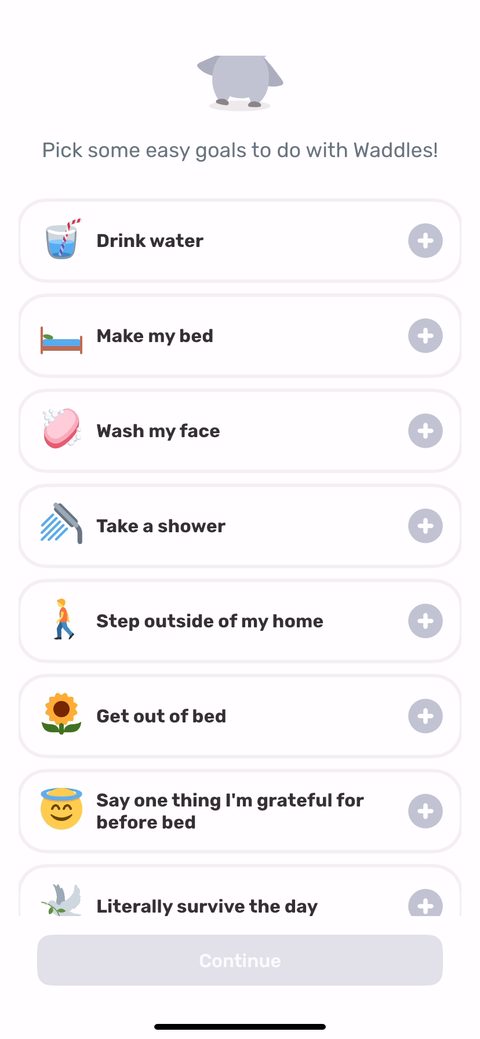 30
30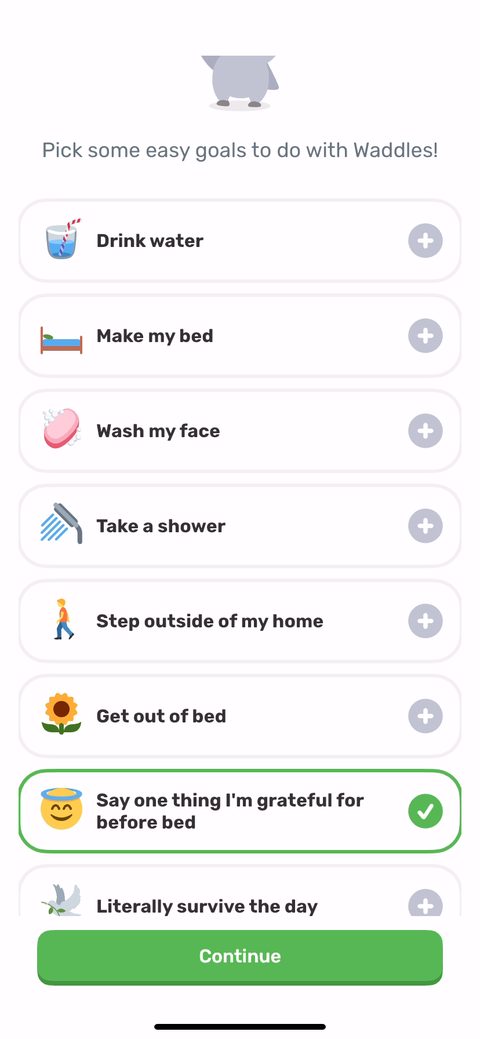 31
31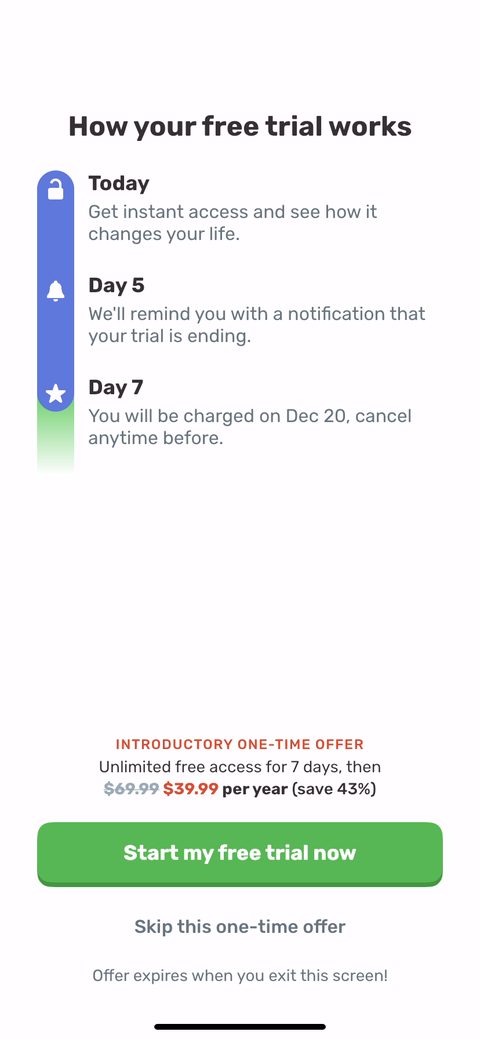 32
32 33
33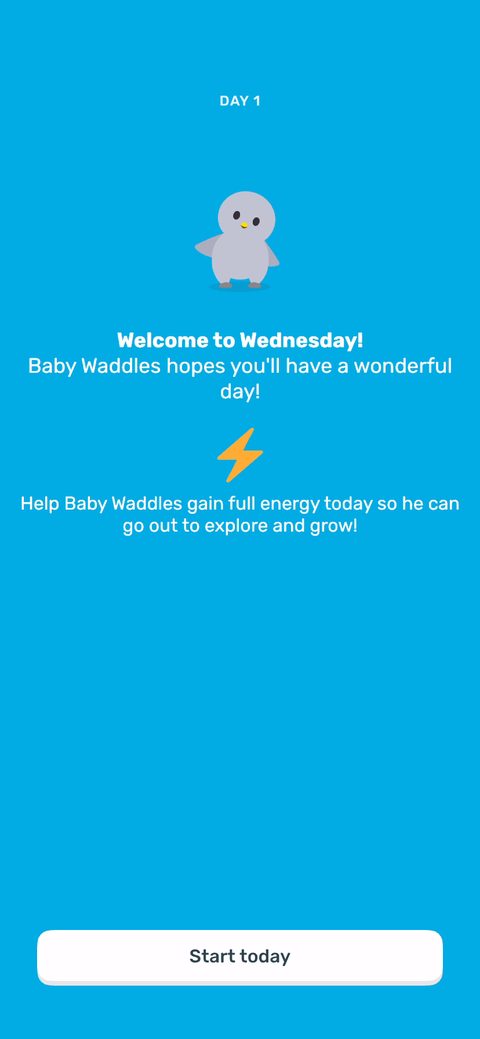 34
34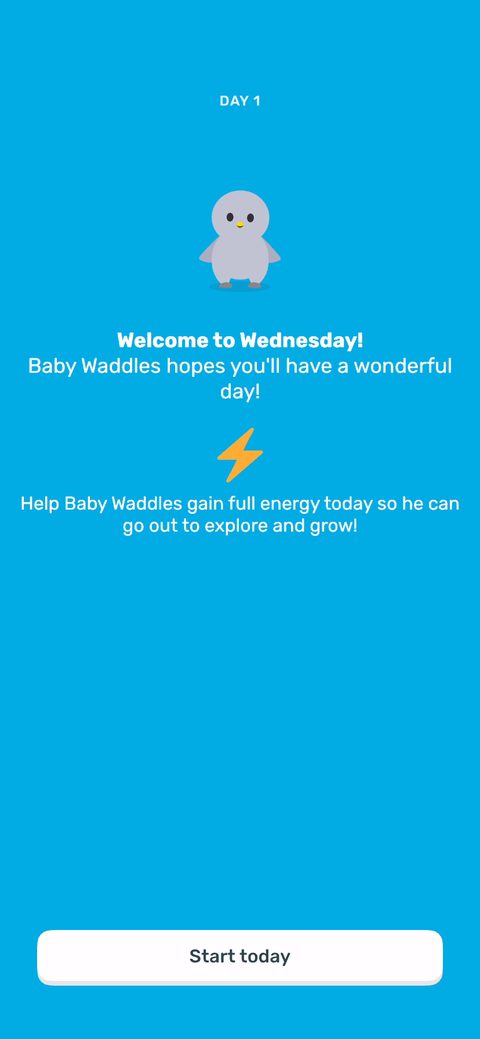 35
35 36
36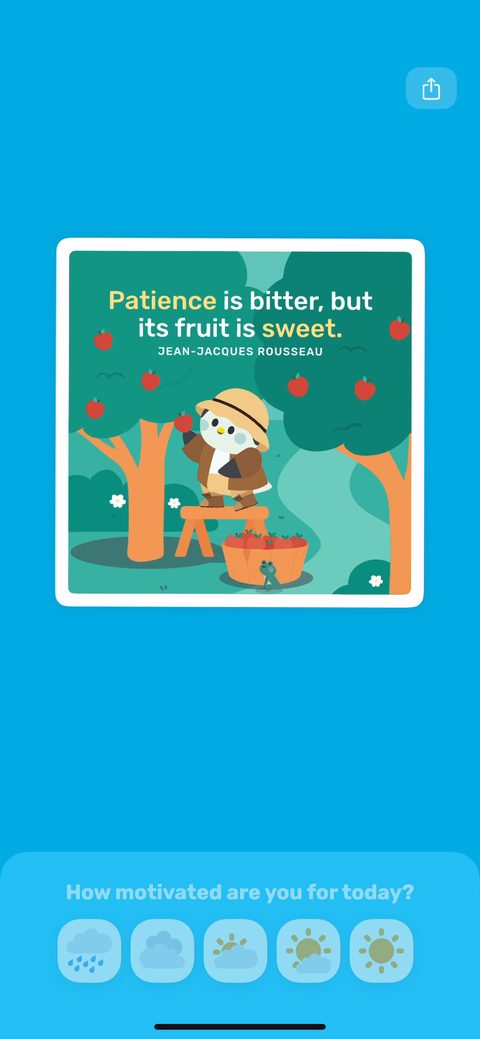 37
37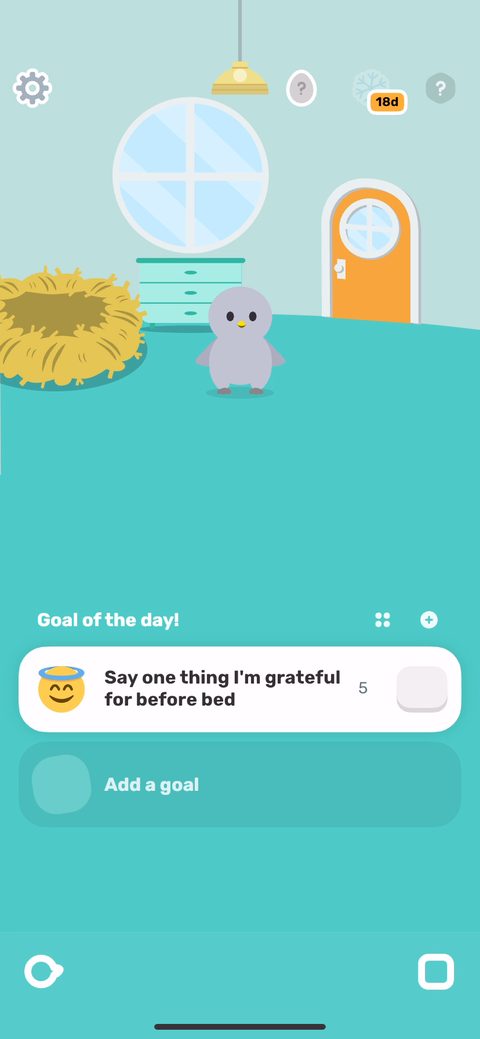 38
38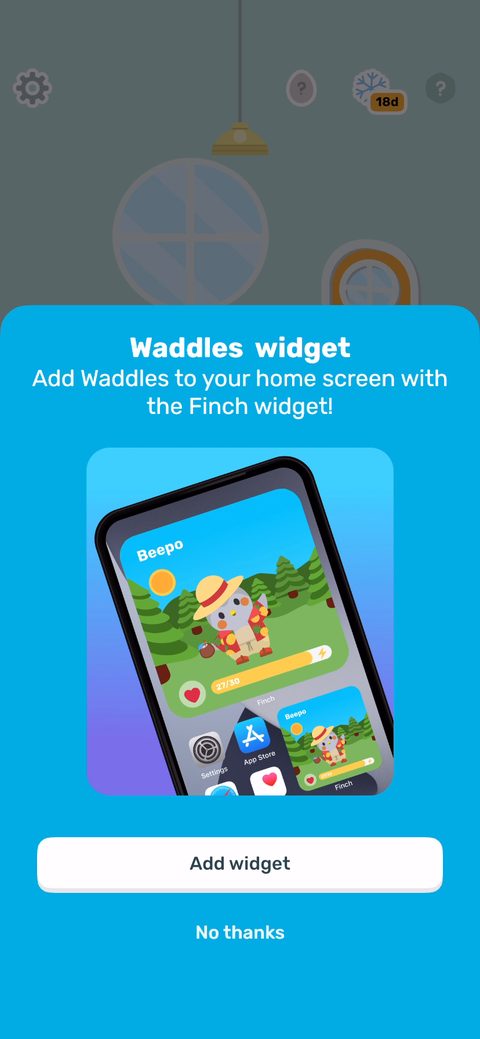 39
39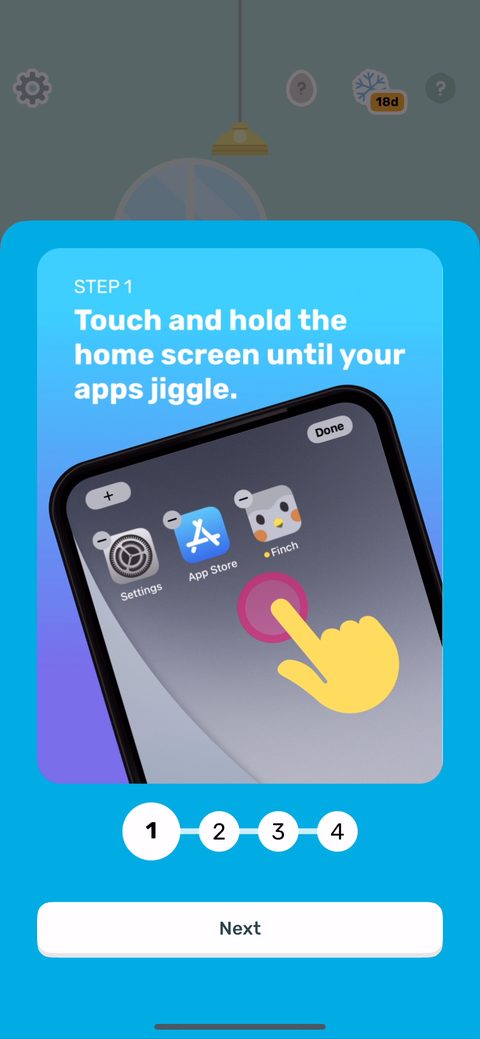 40
40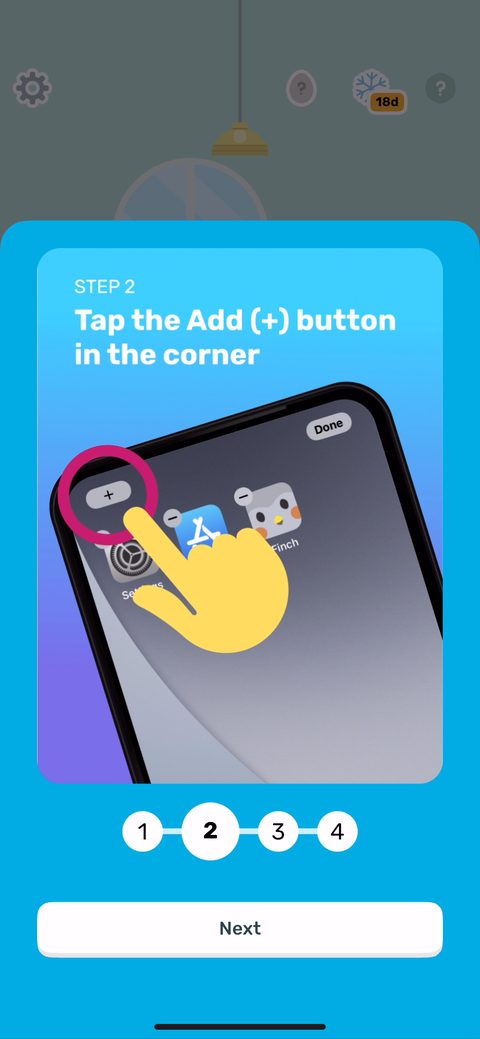 41
41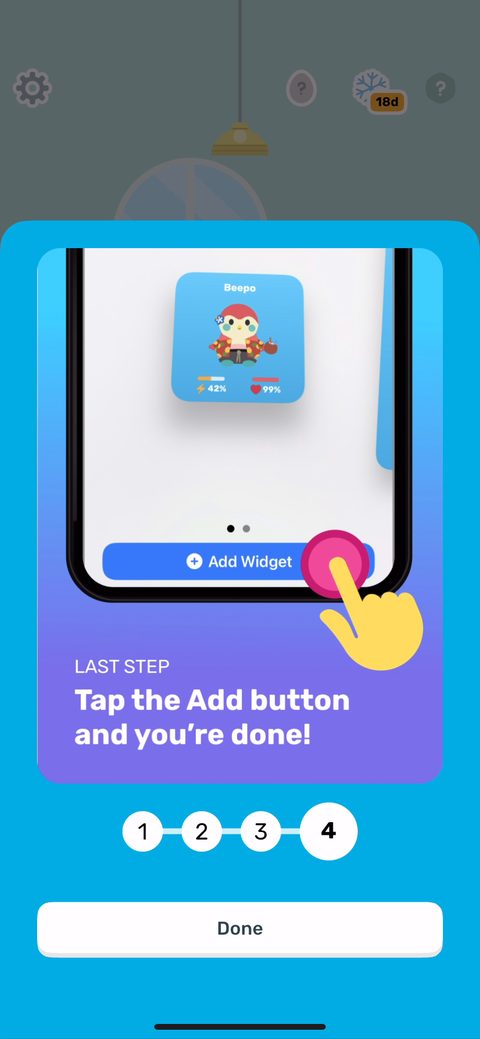 42
42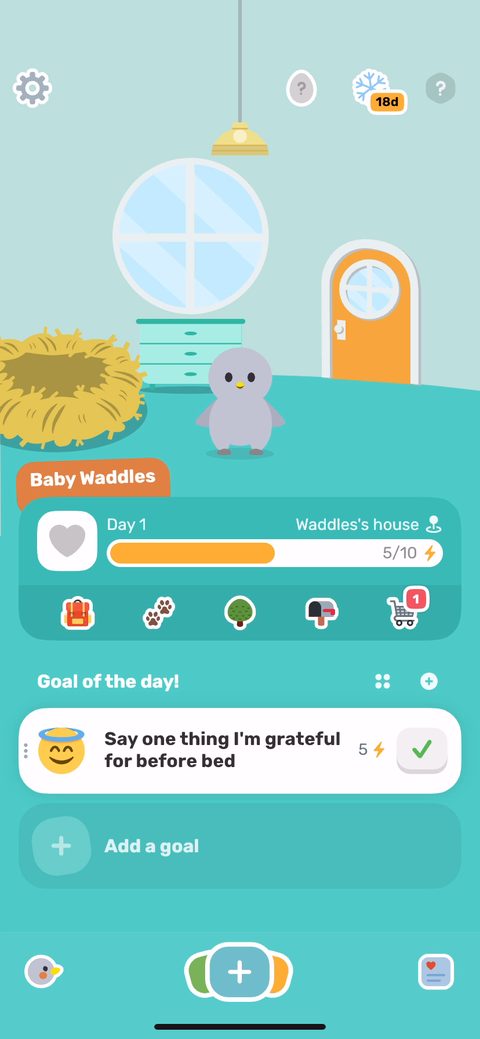 43
43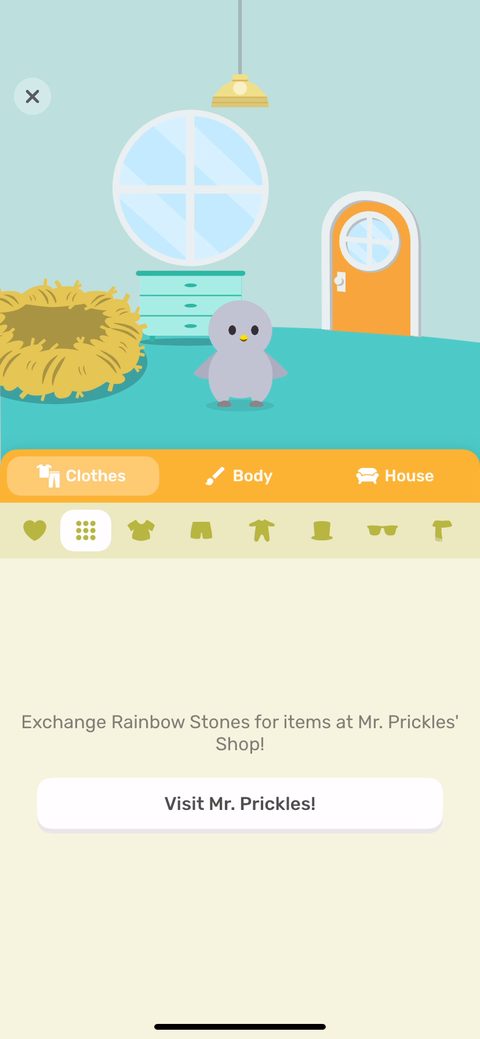 44
44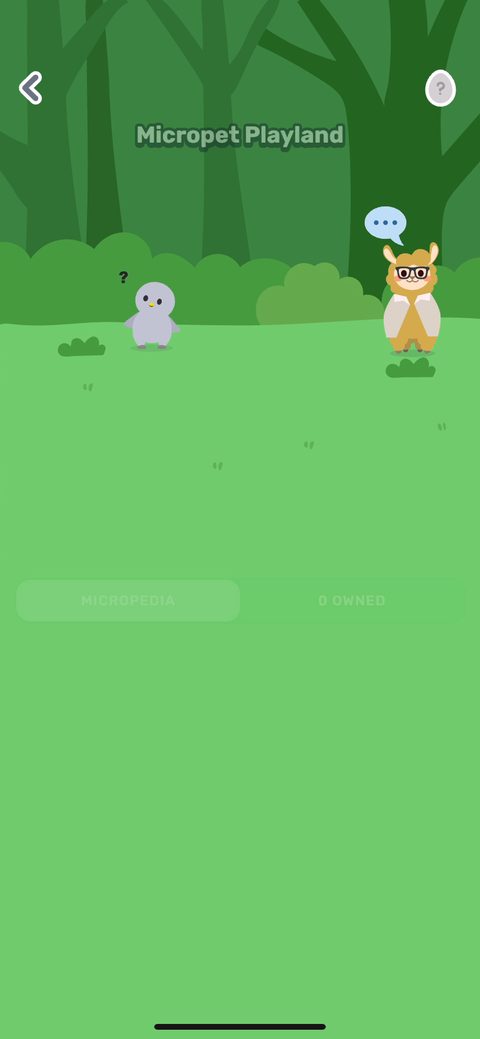 45
45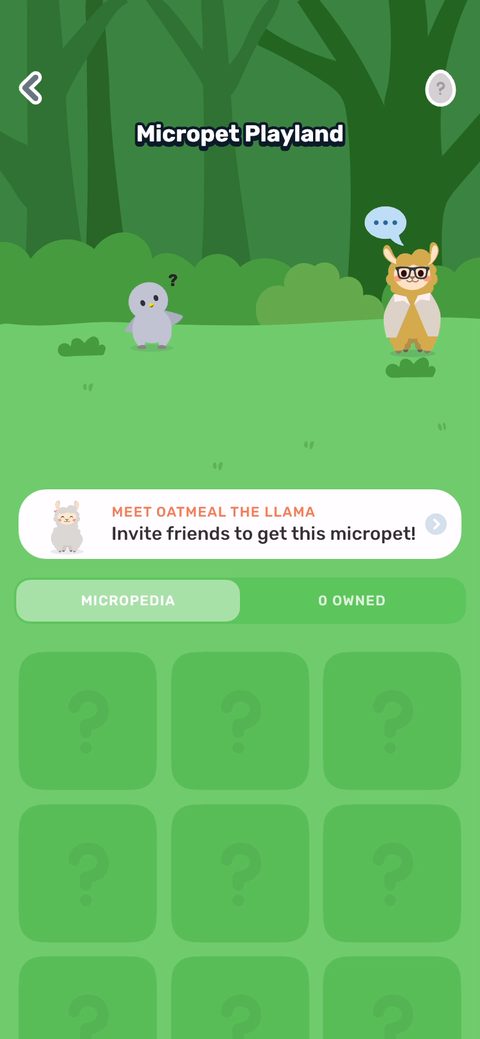 46
46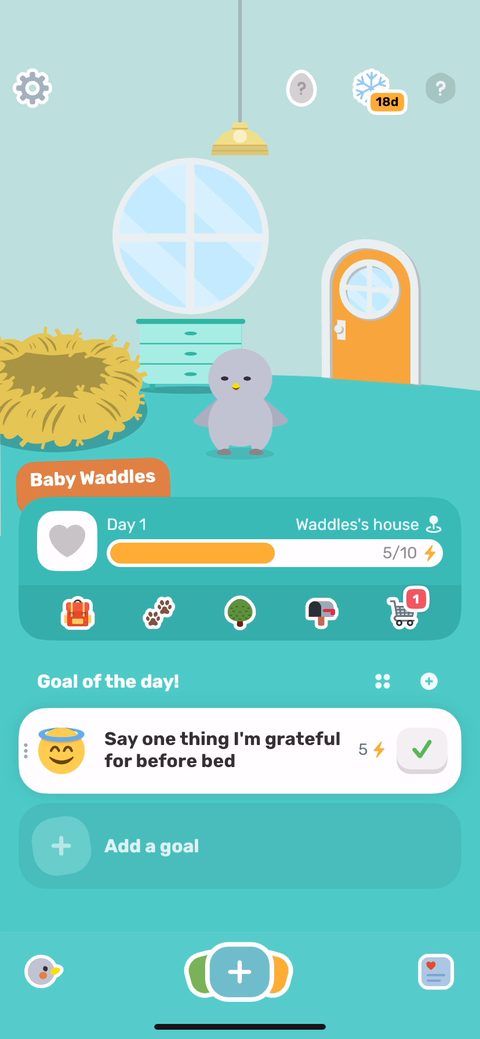 47
47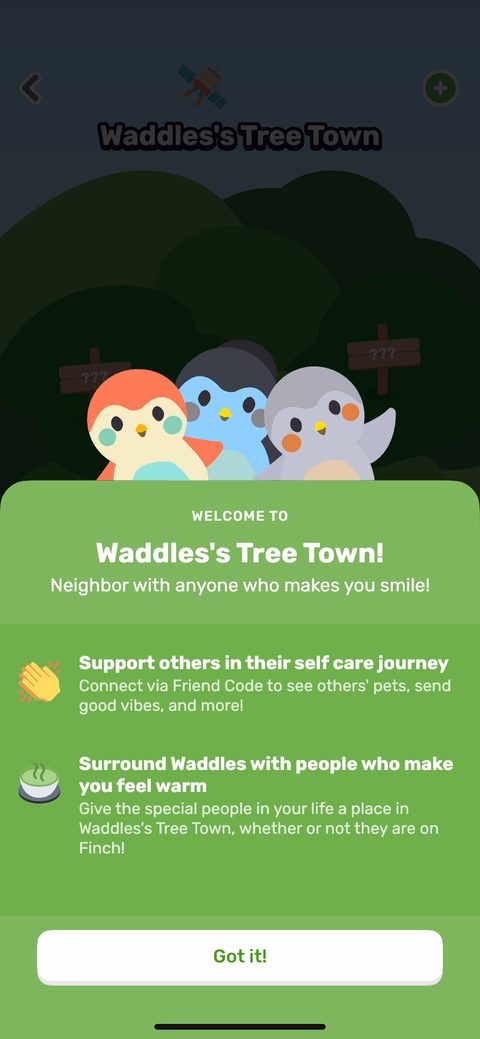 48
48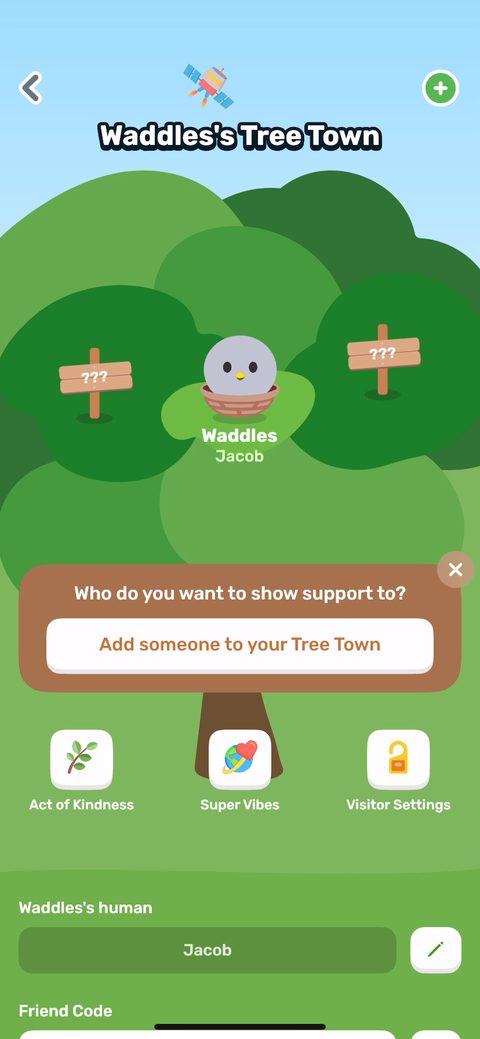 49
49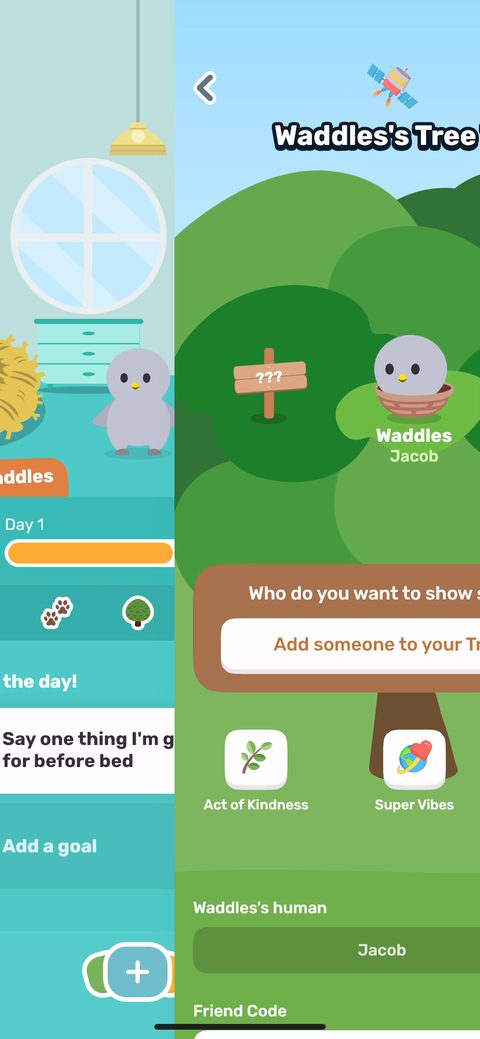 50
50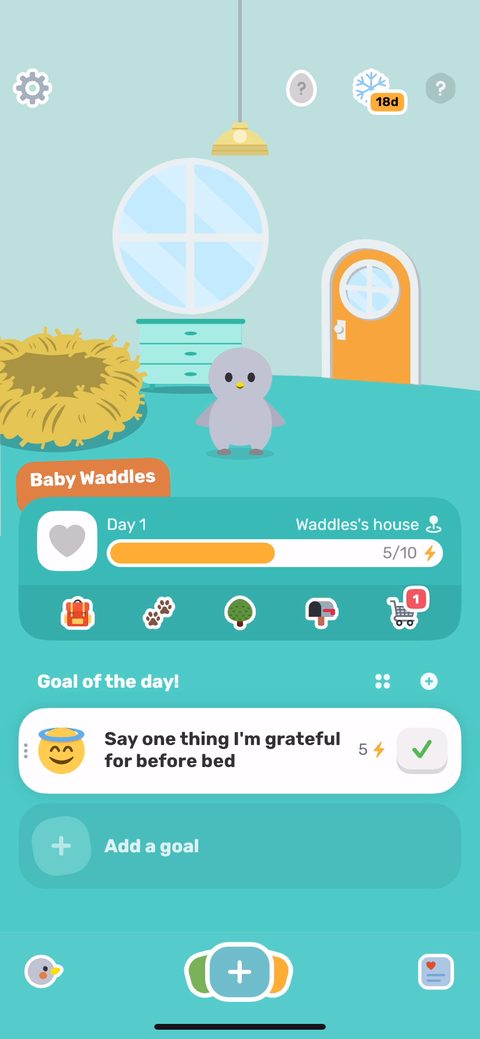 51
51 52
52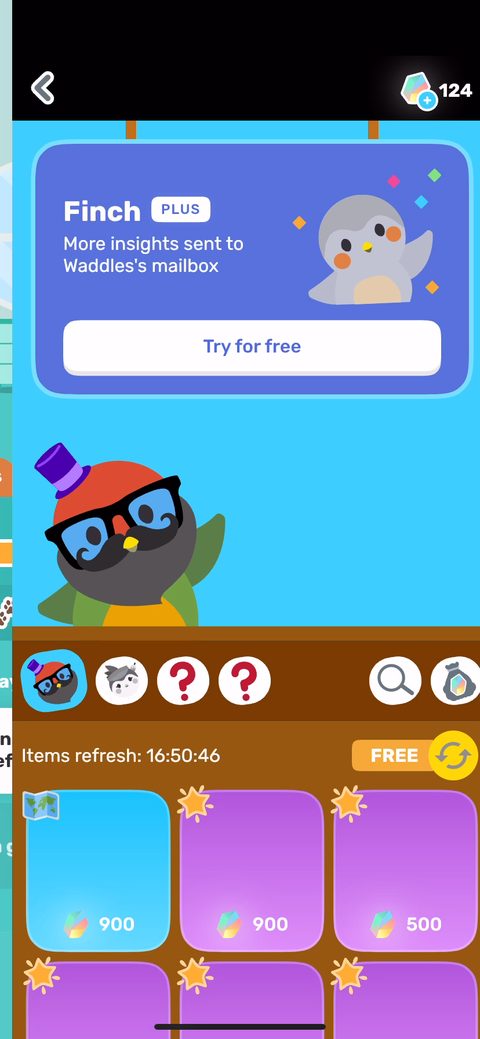 53
53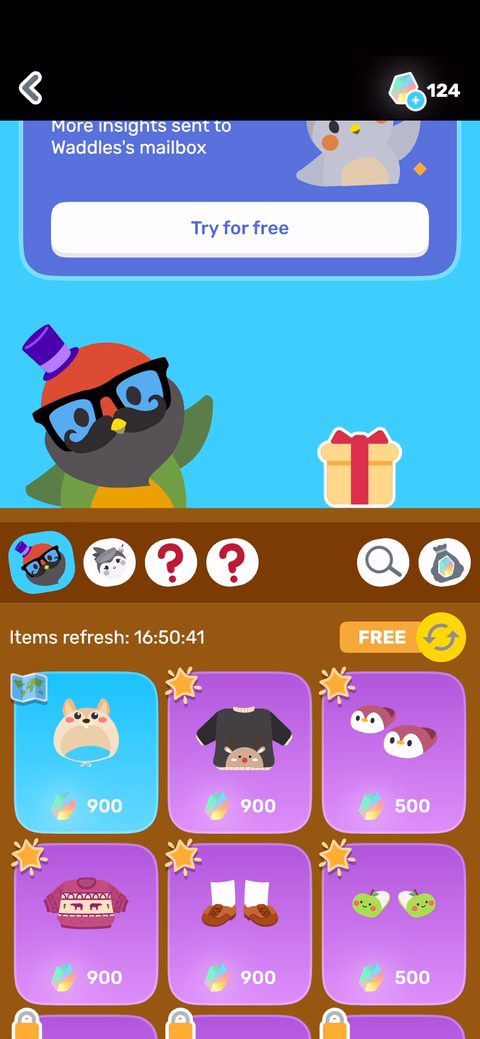 54
54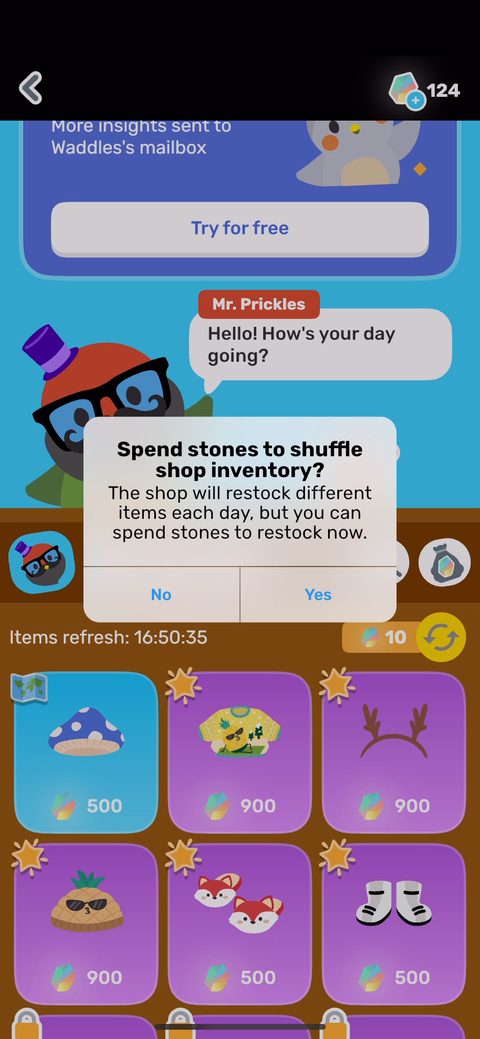 55
55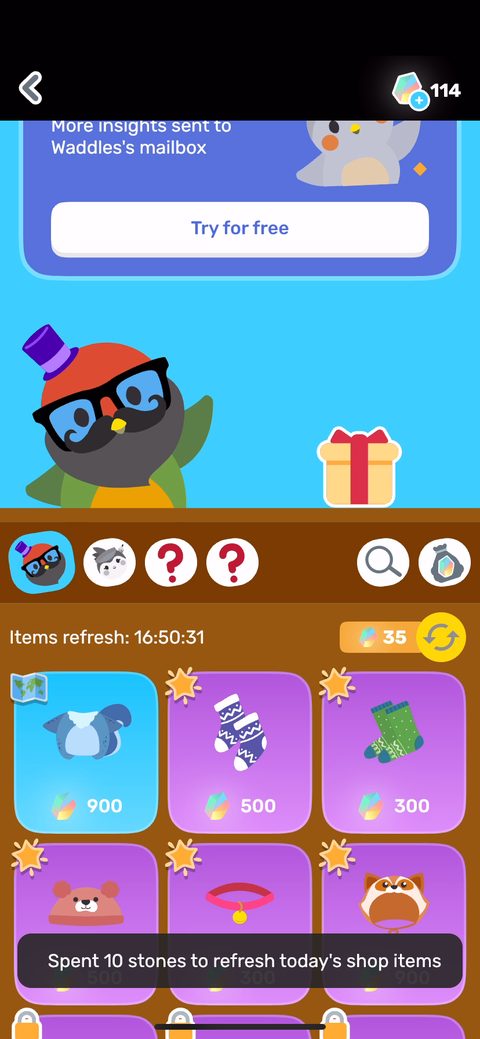 56
56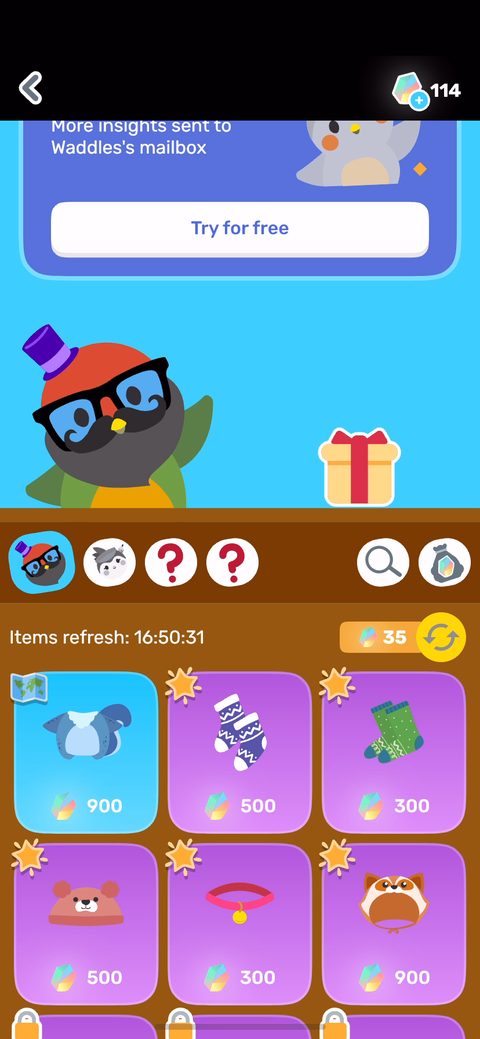 57
57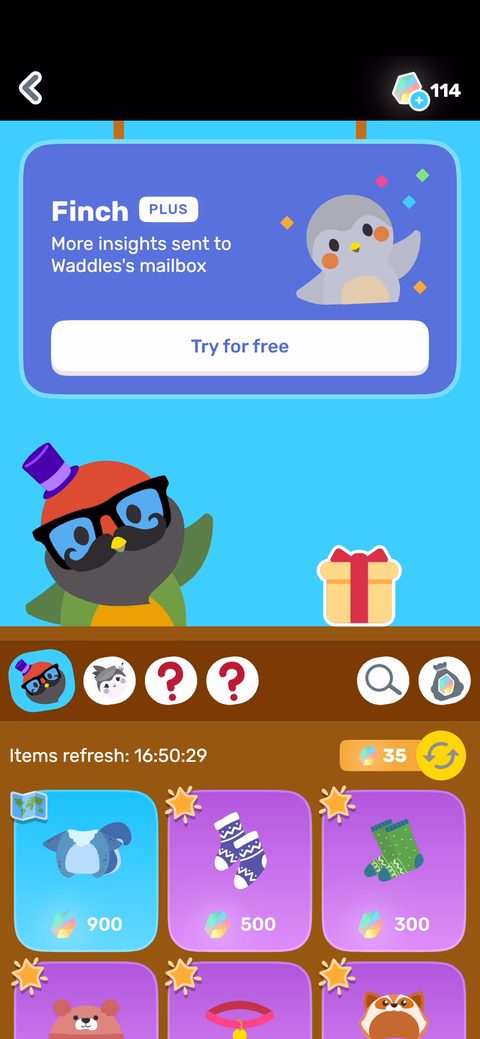 58
58 59
59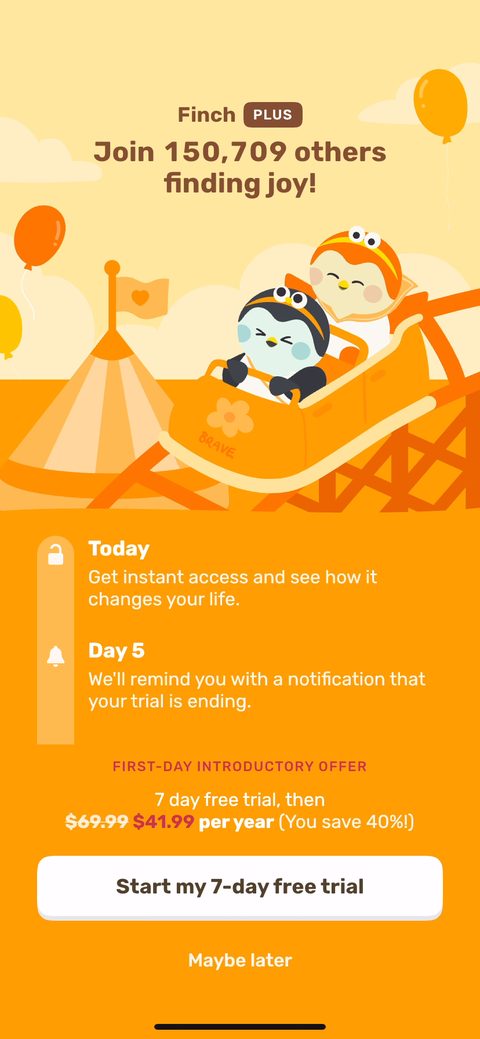 60
60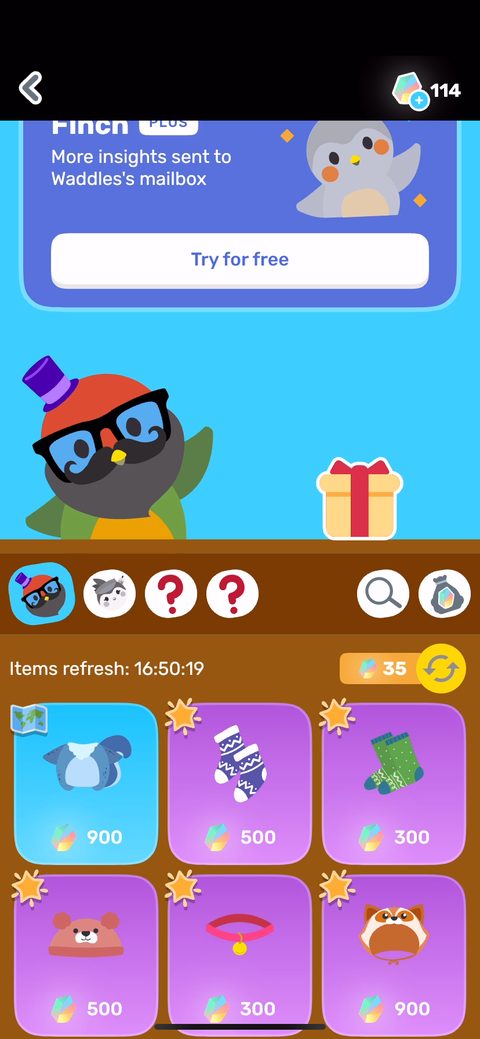 61
61 62
62 63
63 64
64 65
65 66
66 67
67 68
68 69
69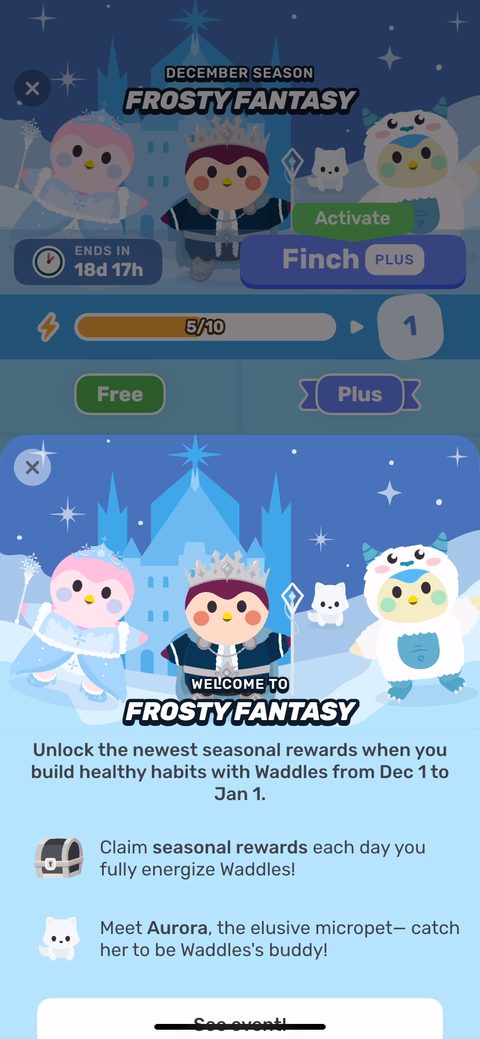 70
70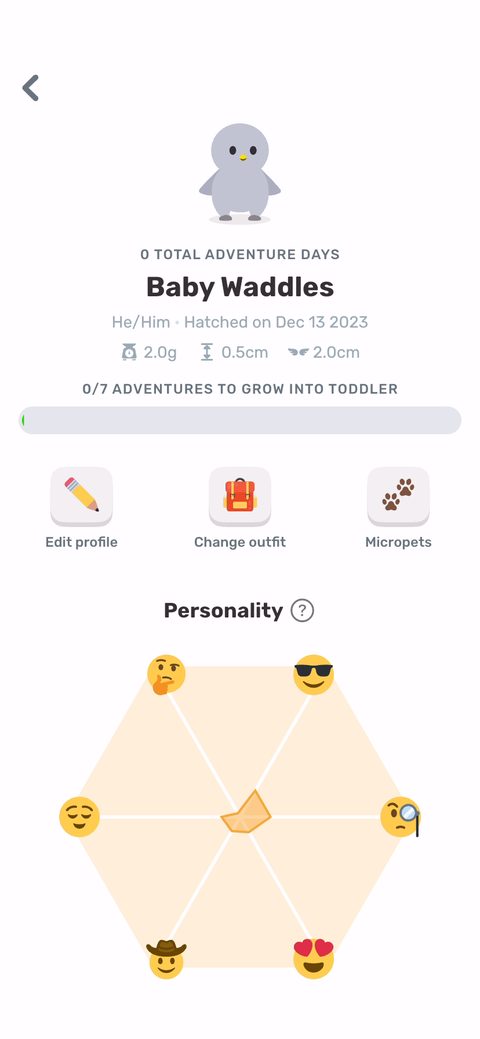 71
71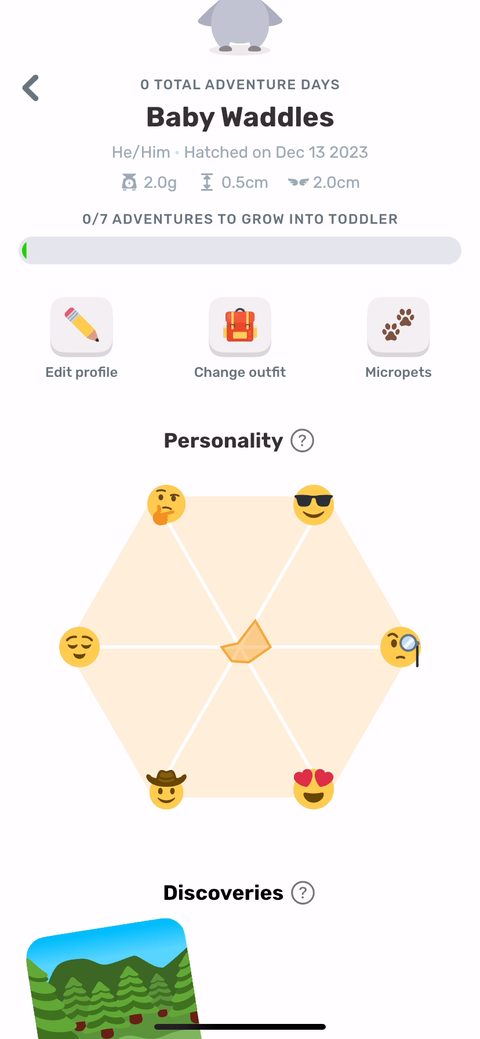 73
73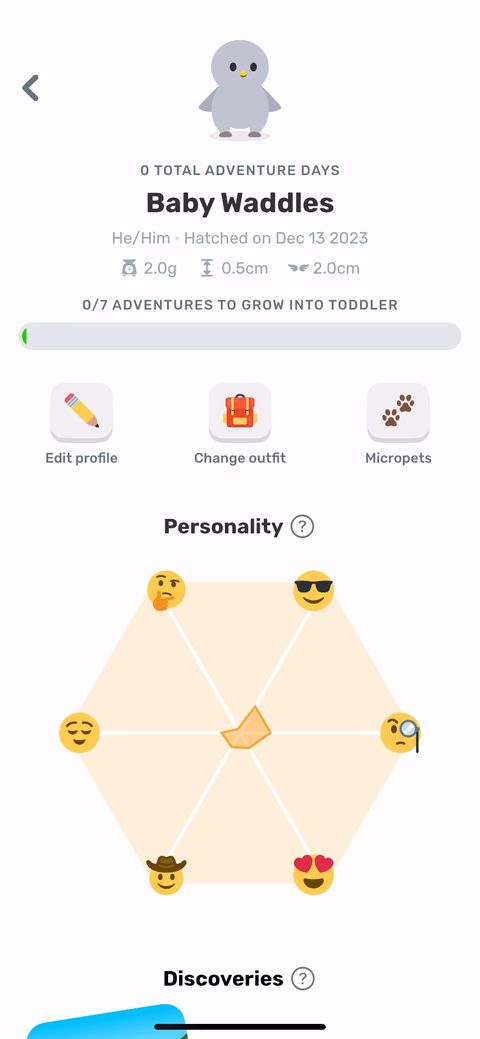 74
74 75
75 76
76 77
77 78
78 79
79 80
80 81
81 82
82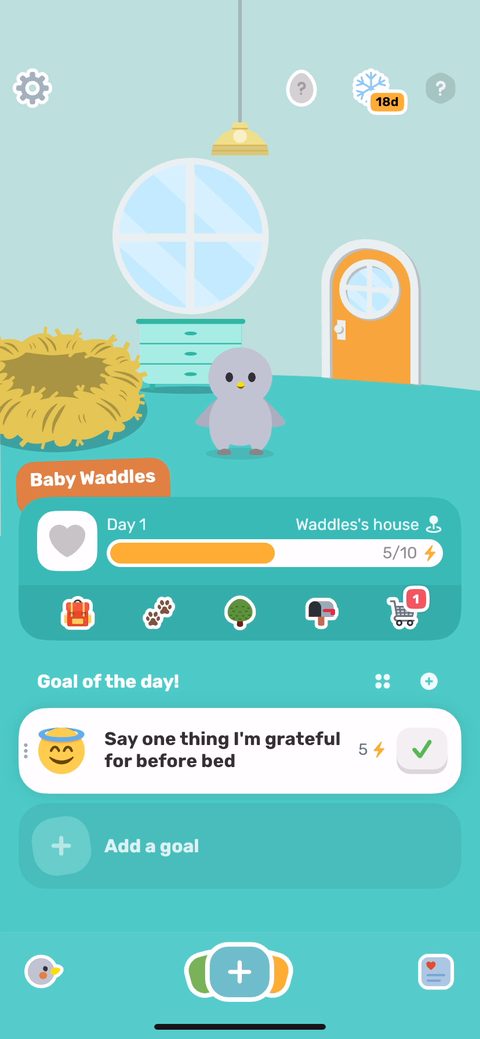 83
83