Health FitnessSoft paywall · trial requiredpaywall: post onboarding quizquiz drivengoal settingsocial proof heavyone plan onlydiscount countdown timer
12Opens with press logos (NYT, Forbes, Healthline) and 'habit building made easy, not magic, just science.' Borrowed credibility plus an Apple sign-in button on screen one. The science angle is the positioning and it fits a Duke-research app.3Apple sign-in before any value, one tap so it's low friction, but you're taking the account before they've felt anything. I'd test pushing this past the quiz so high-intent users self-select first.45678910111213141516171819Skip email verification and you get 'Are you sure? Verifying your email is highly recommended.' A guilt nudge to pull you back, but stacking email verify this early is friction before any value. Test cutting verification out of onboarding entirely.202122'Create the perfect routine for you using psychology and behavioral science.' Sets up the personalization promise before the quiz, so the questions feel like they're building toward something instead of busywork.2324252627'What single change would improve your life right now' with more energy / productivity / mindfulness / sleep. Forcing one answer captures the primary motivation, and it's the kind of zero-party data you want mirrored on the paywall.2829'Why are you embarking on this journey' is the emotional why behind the habits. Good thing to capture and echo later. The 'to be more like someone you admire' option is a nice identity hook.30'Tell us what you're interested in, pick as many as you like.' Multi-select is right here, interests aren't mutually exclusive. They run a long topic grid to feed content recommendations later.3132333435363738394041The growth plan reveal echoes the goals you picked (Focus, Fitness, Mindfulness, Productivity) and stacks social proof: Duke origin, 96% of users, 22M strong. Most apps ask a pile of questions and show nothing back. This pays the quiz off and pre-loads the research credibility for the paywall.4243'Let's analyze your current habits' with a mock tracking sheet. It frames the next few taps as building your personal worksheet, so the questions feel like setup for a tool you own rather than more quiz.44454647484950515253545556'Congratulations' with the completed routine checklist. Goal-gradient payoff, they show the worksheet filled in so finishing onboarding feels like a small win right before the ask.57'Save your progress, my first name is.' Name capture framed as protecting the work you just did, not signup. The name then gets reused in the contract and the paywall letter.5859Asks your age with 'by continuing you agree to terms.' Quick, but worth checking whether age personalizes anything downstream or it's just a data grab adding a tap.6061626364'Jacob's Contract,' written first person with your name, tap and hold to commit. The hint even spells out the precommitment psychology. A physical micro-commitment right before the paywall, which nudges buy-in up. Same hold-to-commit UX you see in apps like Headway.6566The paywall is a letter from 'future Jacob in 2026' thanking you for the choices you're making today. Story-style instead of a static feature list, and it uses your name. The plan sits under it: $39.99/quarter with a free week. Quarterly default sends a higher-value purchase signal than monthly.67686970717273747576The native subscribe sheet, 1 week free then $39.99 every 3 months. Note the trial is baked into the only plan shown, no monthly or annual to compare against, which keeps the decision binary.7778'People who turn on notifications are 3x as likely to achieve their goal.' Benefit-framed permission ask, and the decline is a guilt opt-out: 'No, I'll do this on my own.' Tying the permission to the user's stated goal is the right move.7980'Drink water this week, do it 3 times to succeed.' A tiny first action that's almost impossible to fail. Gets you to a real win fast instead of dropping you on a dashboard.81828384858687888990919293Hit the X on the first paywall and you get a second ask: 57% off, free week then $16.99/quarter. Most people never buy on the first paywall, so a discounted second offer picks up some of them. Apple restricts discounts, so they frame it as a different lower price.9495'Are you sure? If you exit now you won't have access to this offer for the next 12 months.' Loss aversion plus scarcity to stop the exit. I'd want that 12-month claim to actually be true, since users notice when it isn't.96Drops you into the home with a guided first task: tap the circle to complete 'drink water,' with the action spelled out. Good post-paywall activation, they hand you one concrete thing instead of a blank dashboard.979899100Post-paywall, a behavioral-science explainer naming the 'intention-action gap' and psychologists Fishbein and Ajzen. It reframes past failures as a known problem, not your fault, which justifies the method. Reads long though, this is tell-not-show.101102103Back on the home screen, a 'claim your welcome gift' banner with a 59-minute countdown. A timed offer that follows you into the app, manufacturing urgency for the next discounted paywall.104105Third ask, framed as a gift: $19.99/year with a 7-day trial. They've walked the price down from $39.99/quarter to a cheap annual. Stacking offers works because most people don't convert on the first wall.106107108109110
Powered byBotsiAI/ML models to show the right paywall to each user to grow revenueLearn more →
 1
1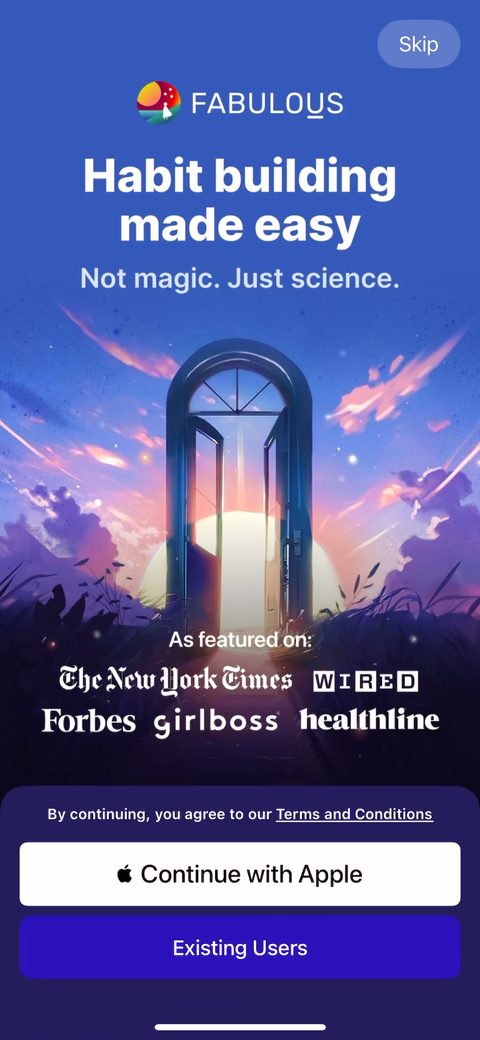 2
2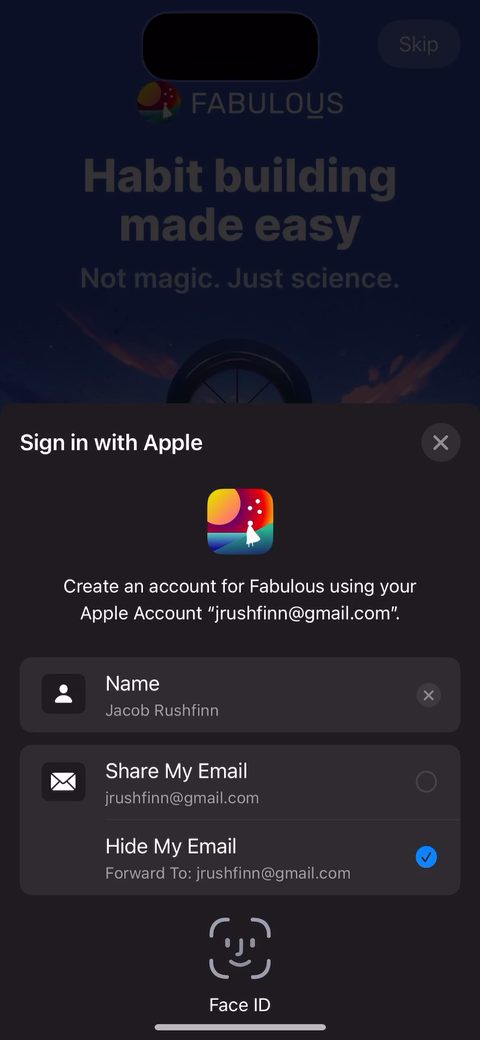 3
3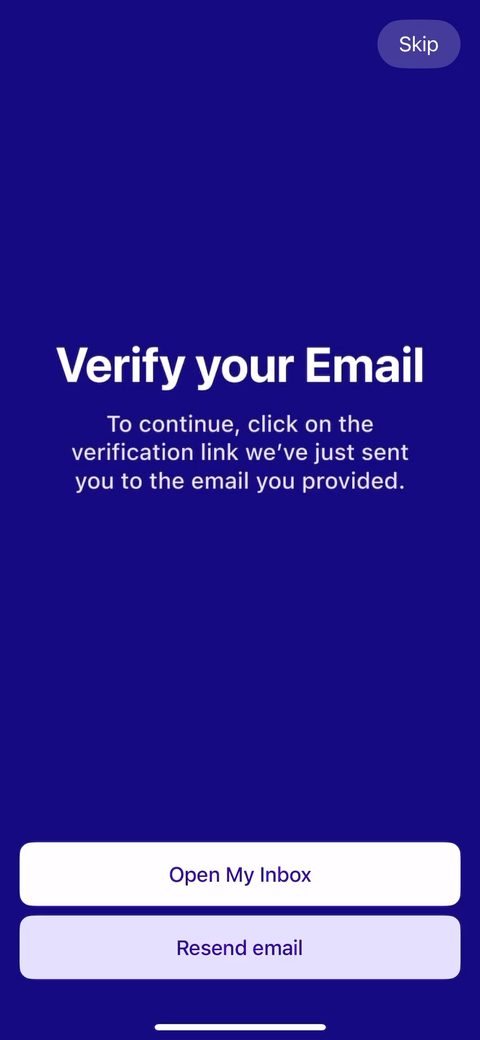 4
4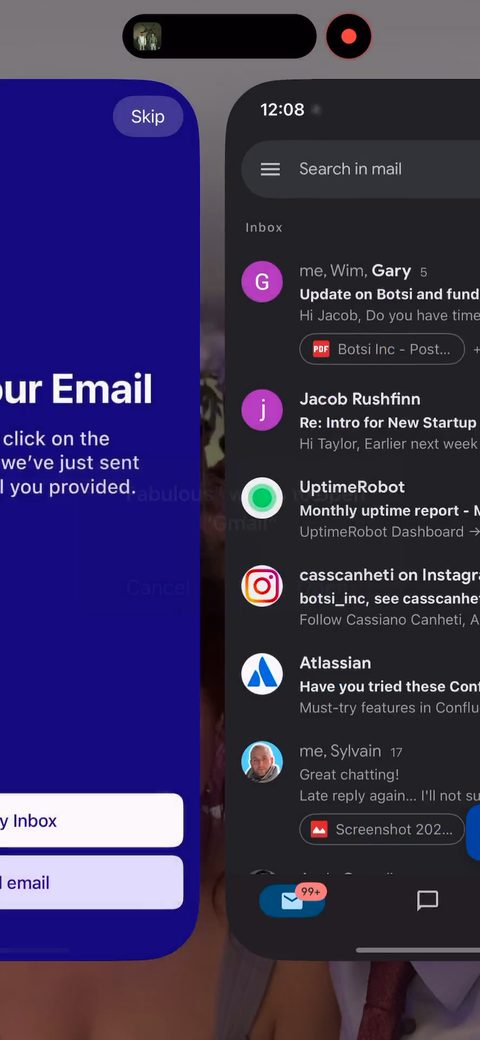 5
5 6
6 7
7 8
8 9
9 10
10 11
11 12
12 13
13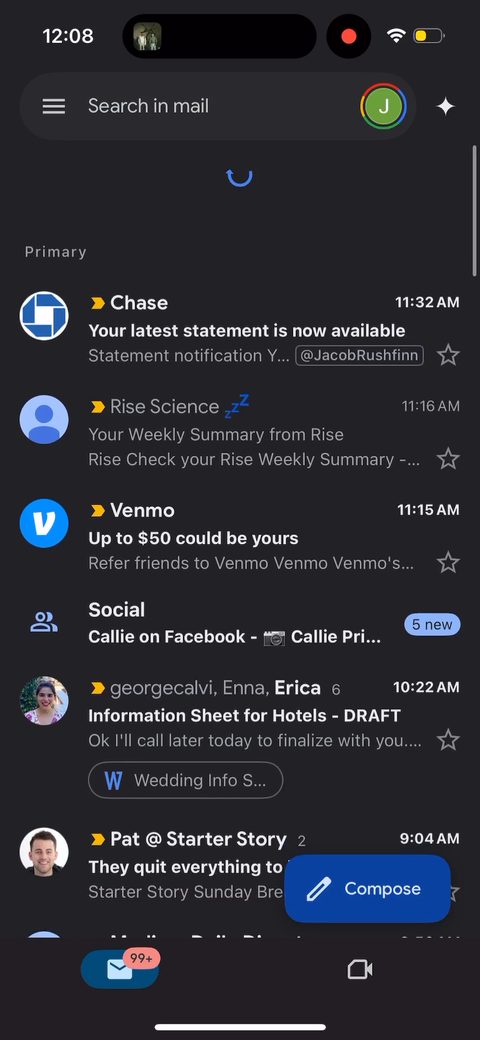 14
14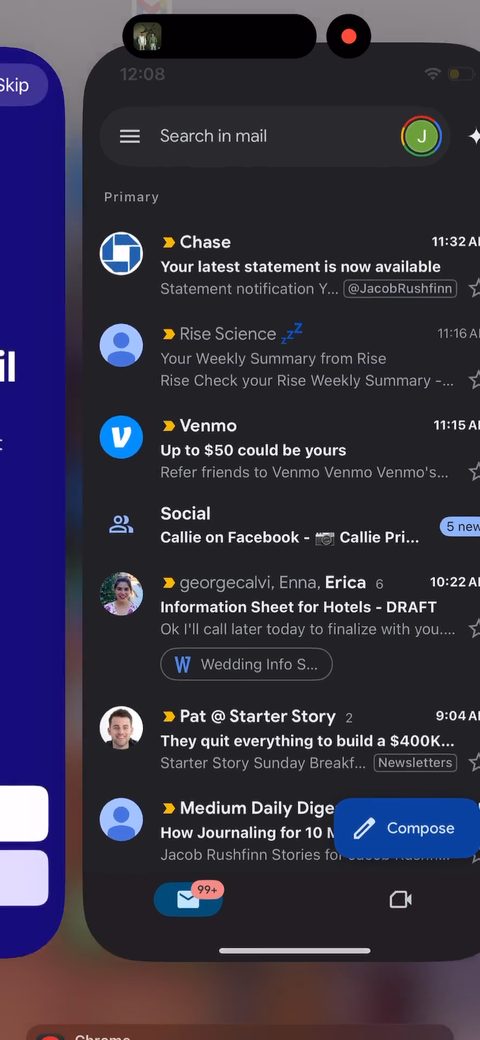 15
15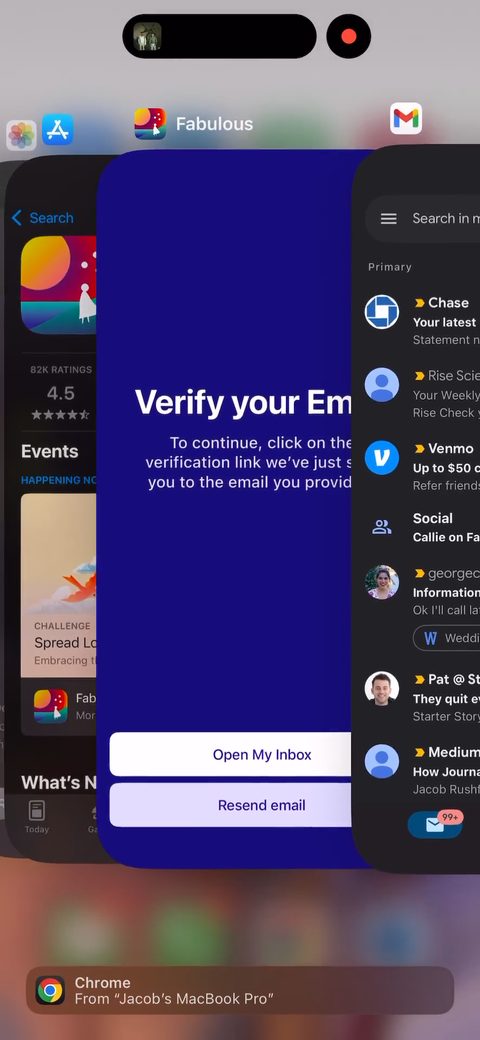 16
16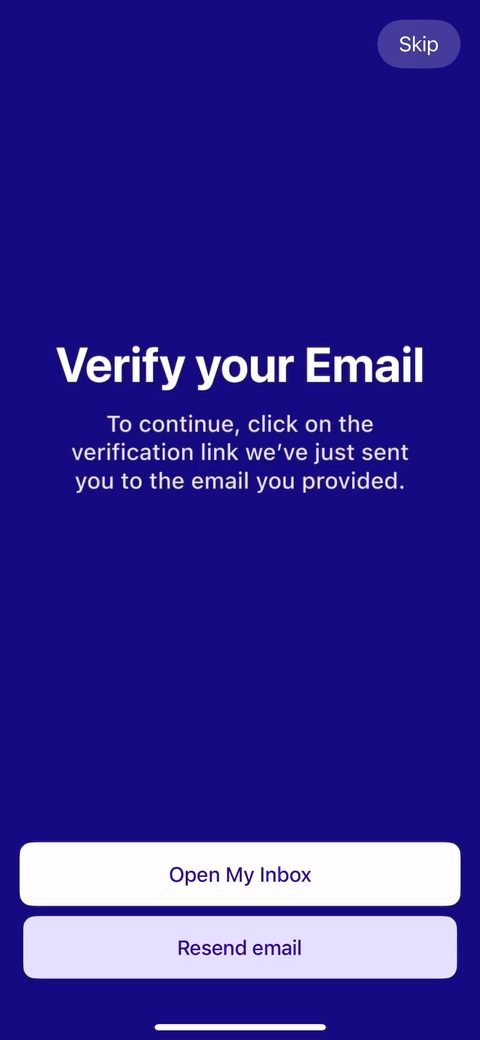 17
17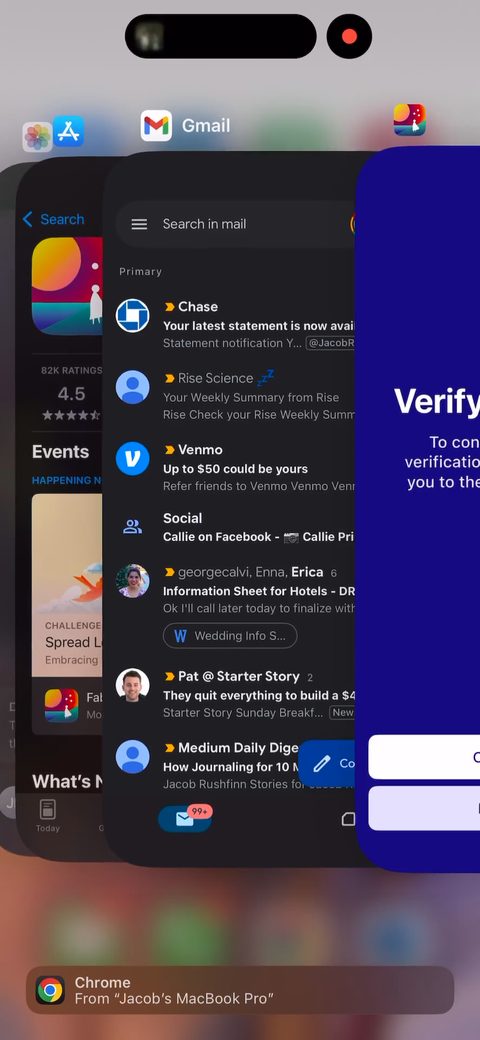 18
18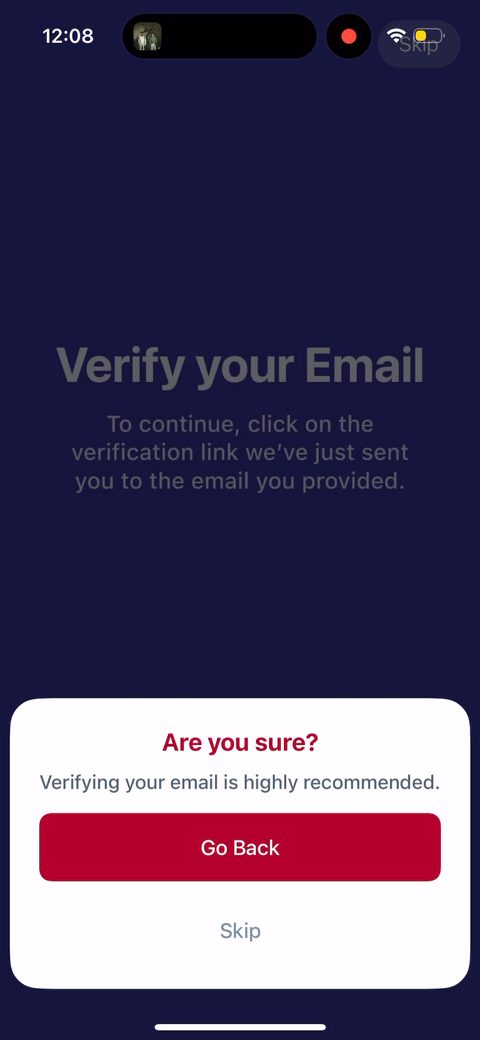 19
19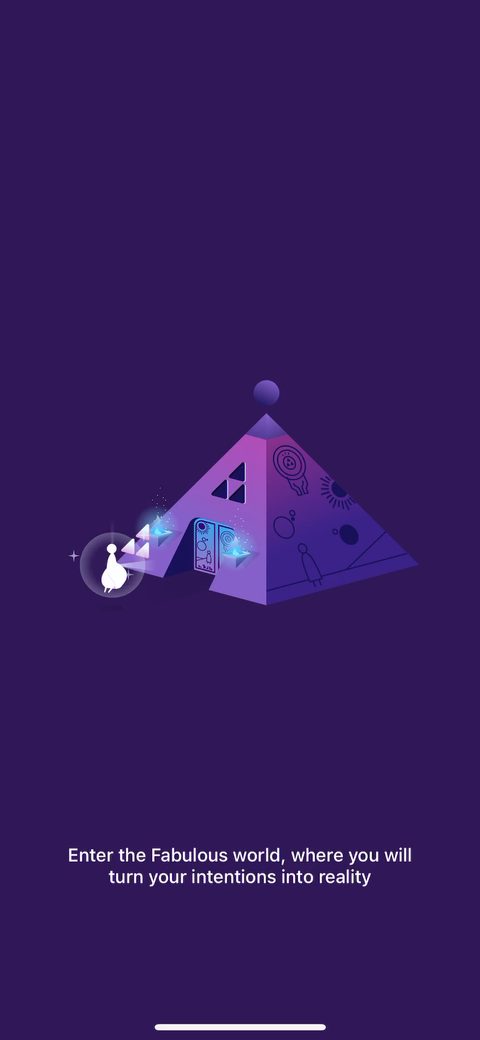 20
20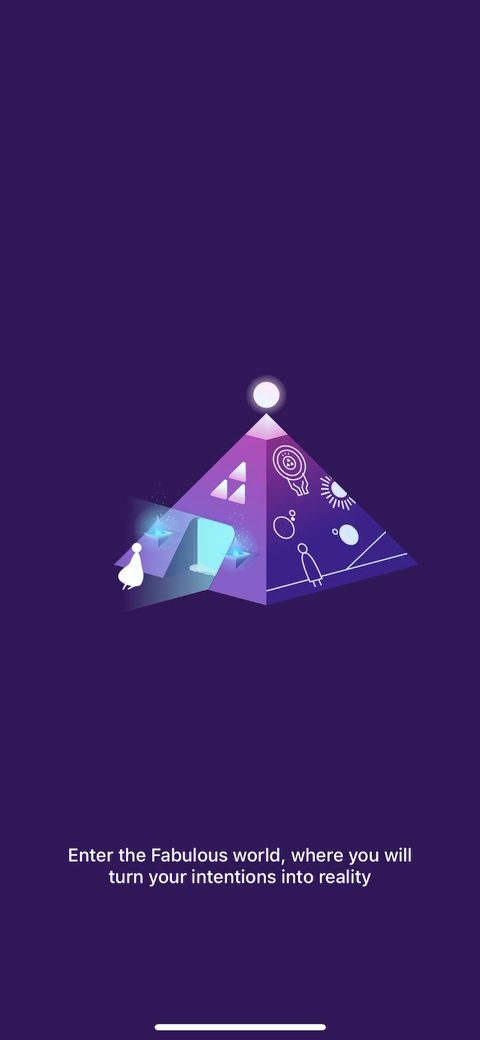 21
21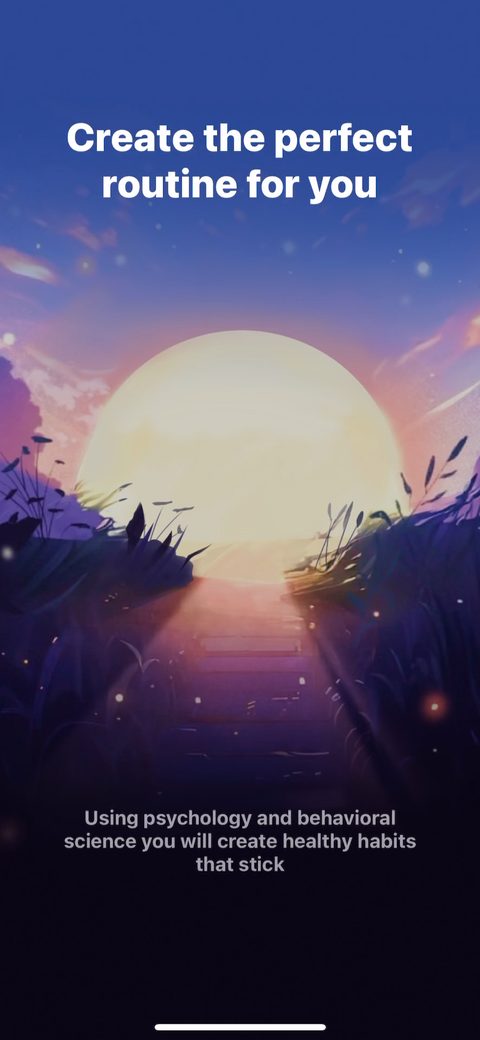 22
22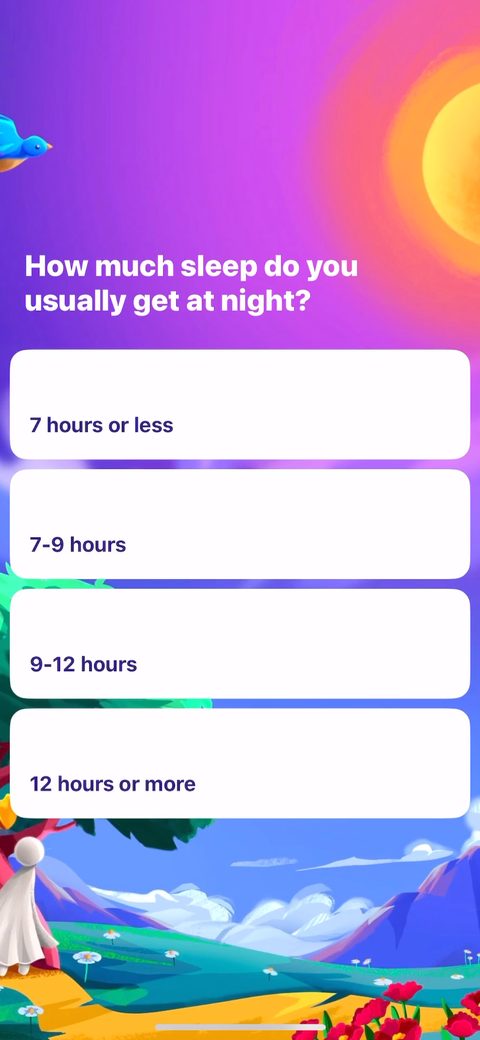 23
23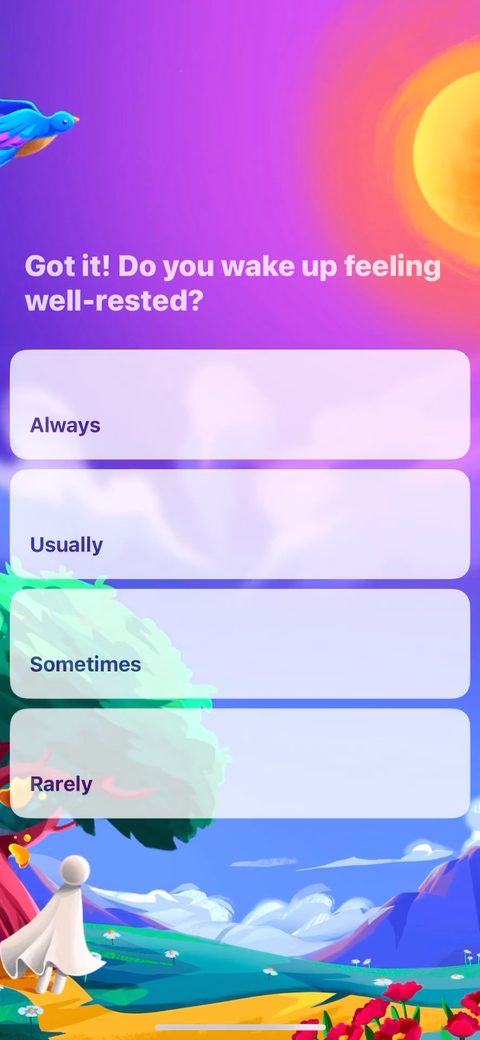 24
24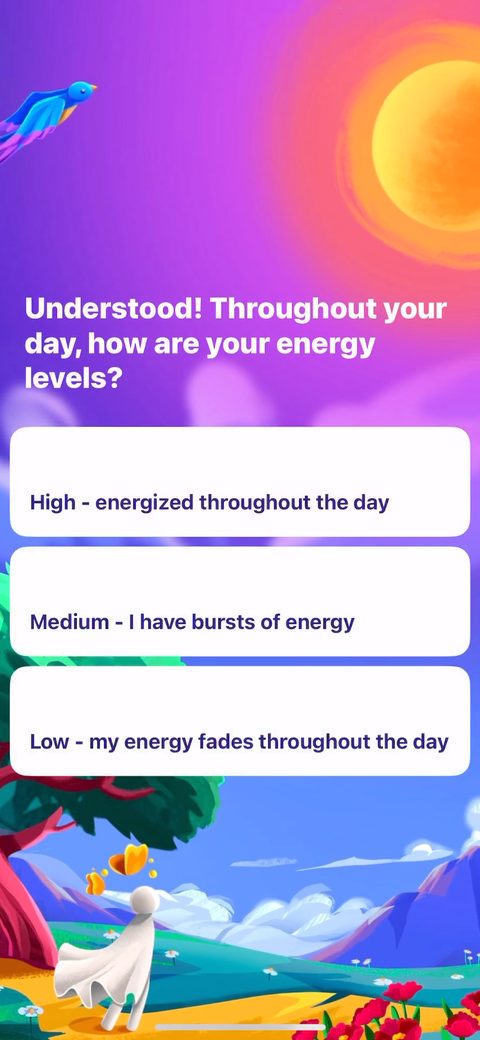 25
25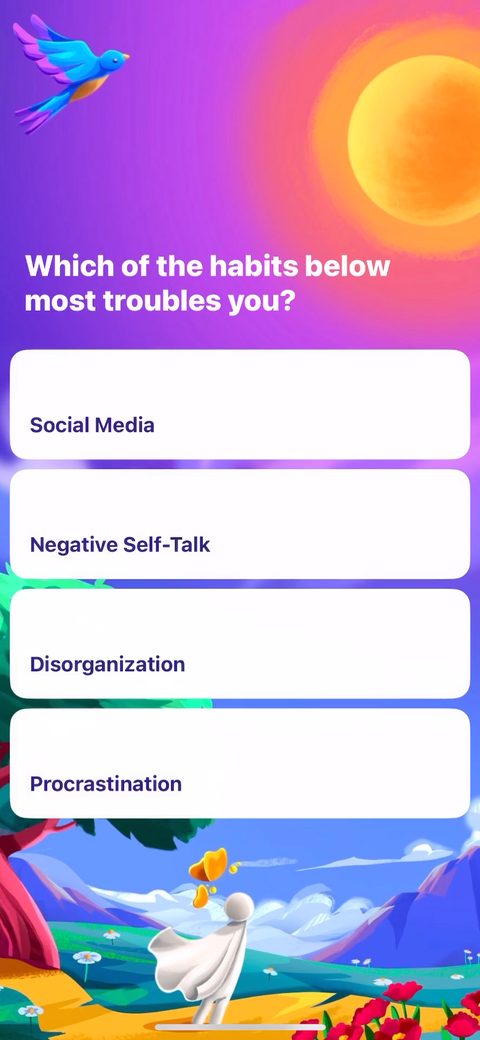 26
26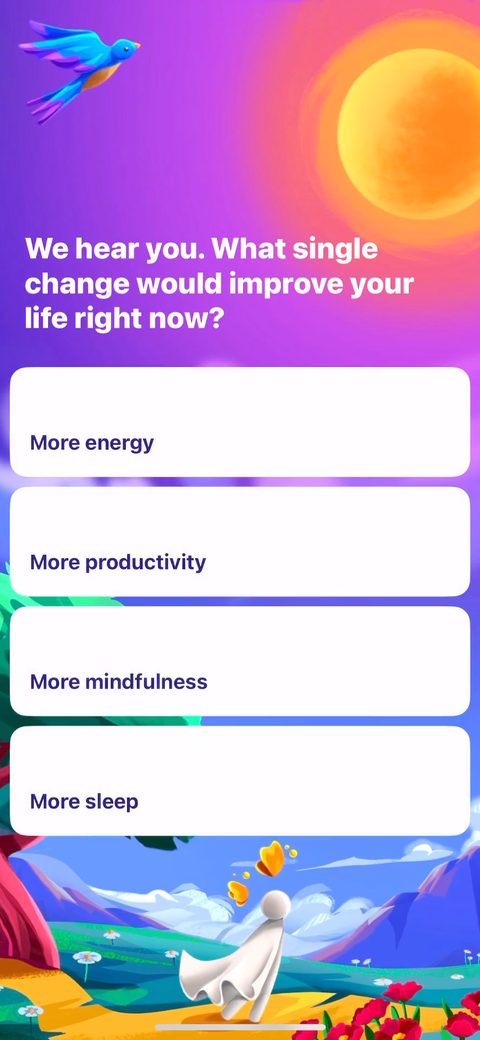 27
27 28
28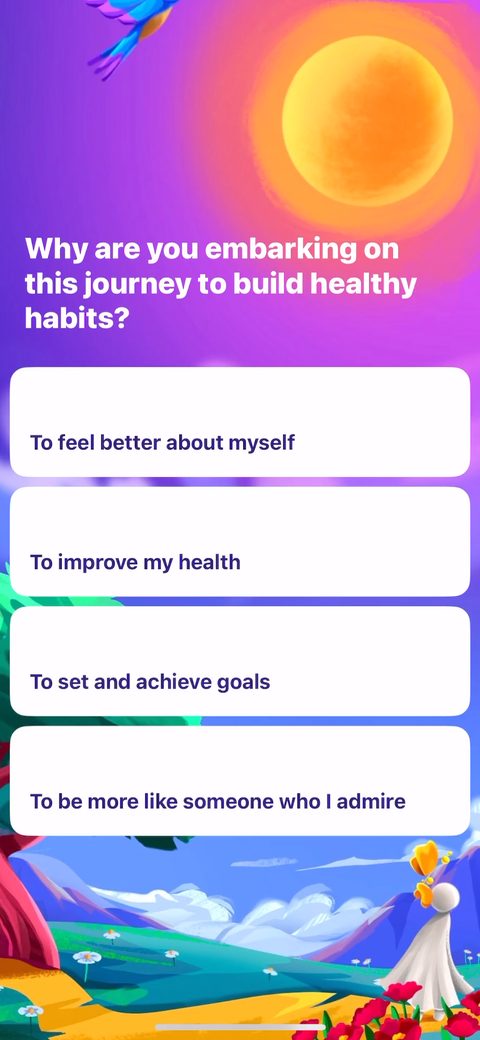 29
29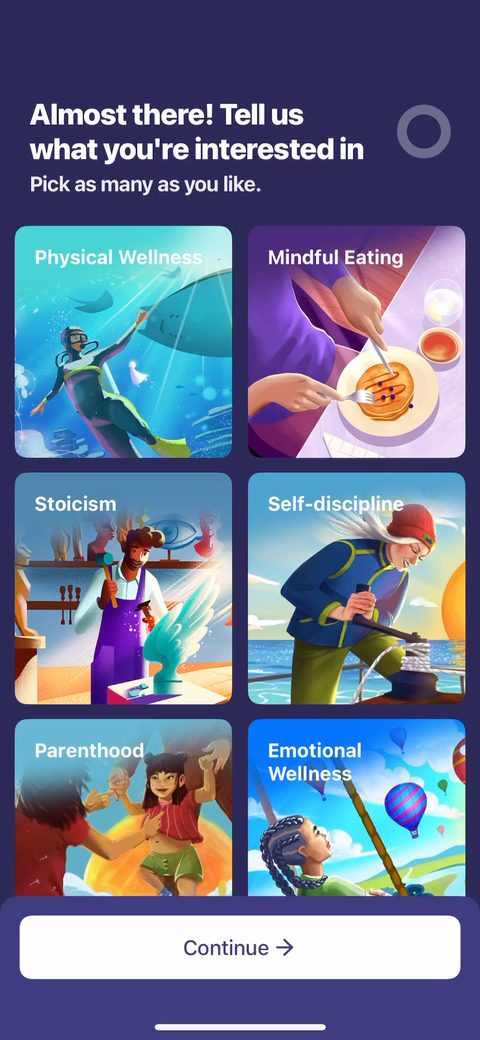 30
30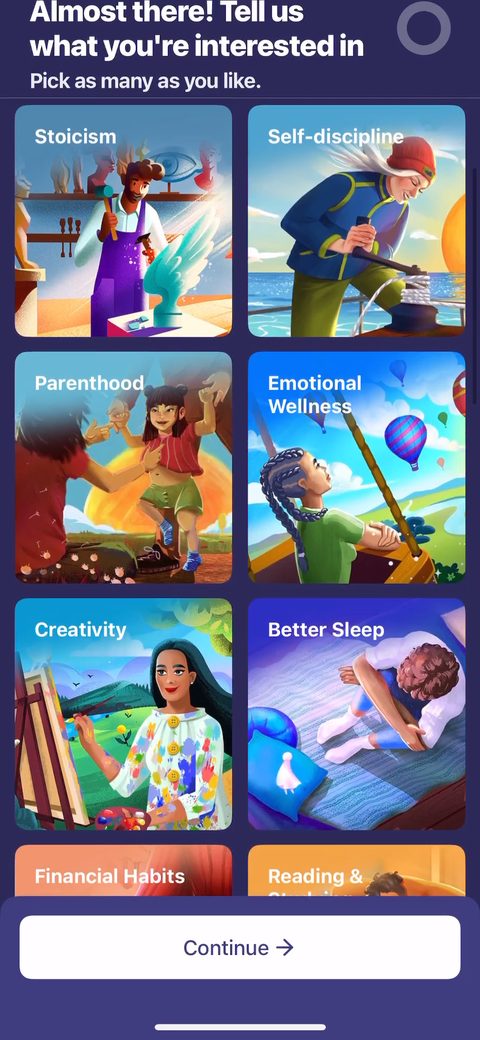 31
31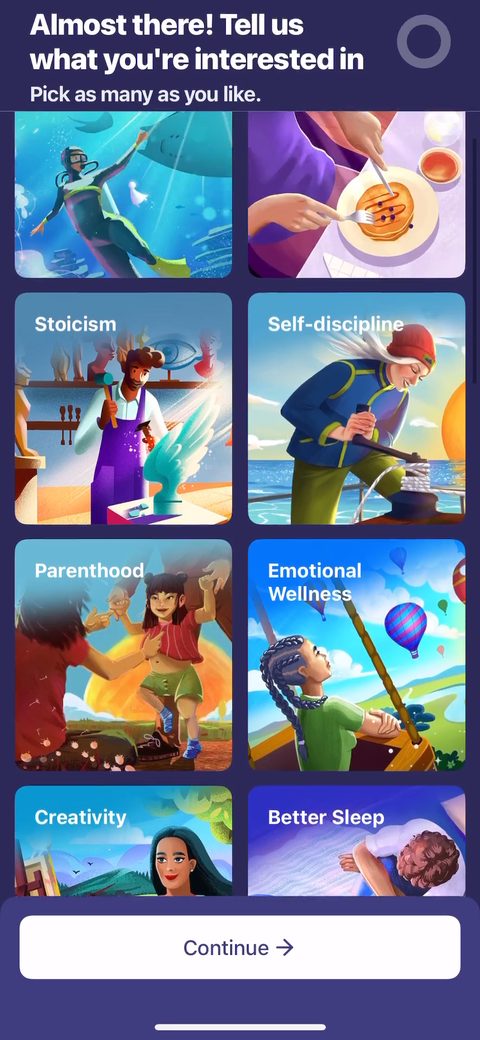 32
32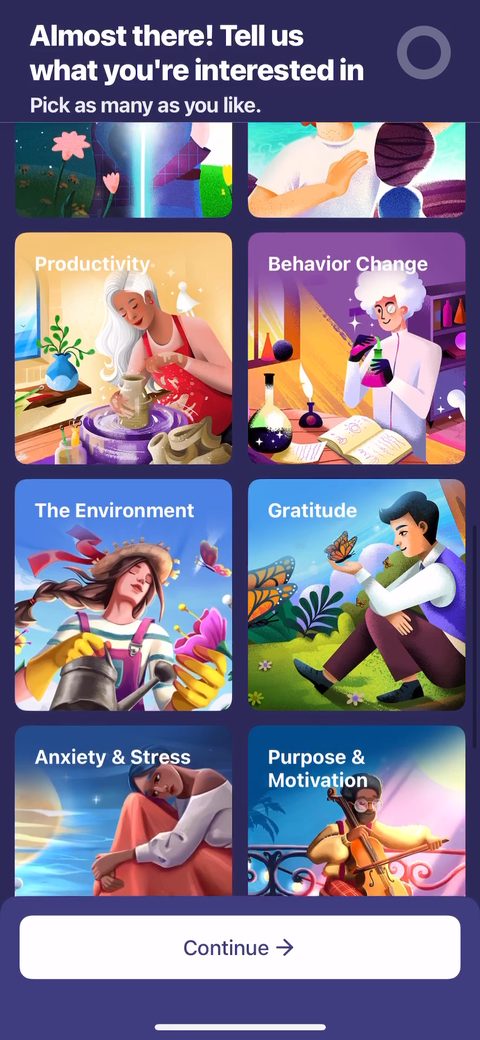 33
33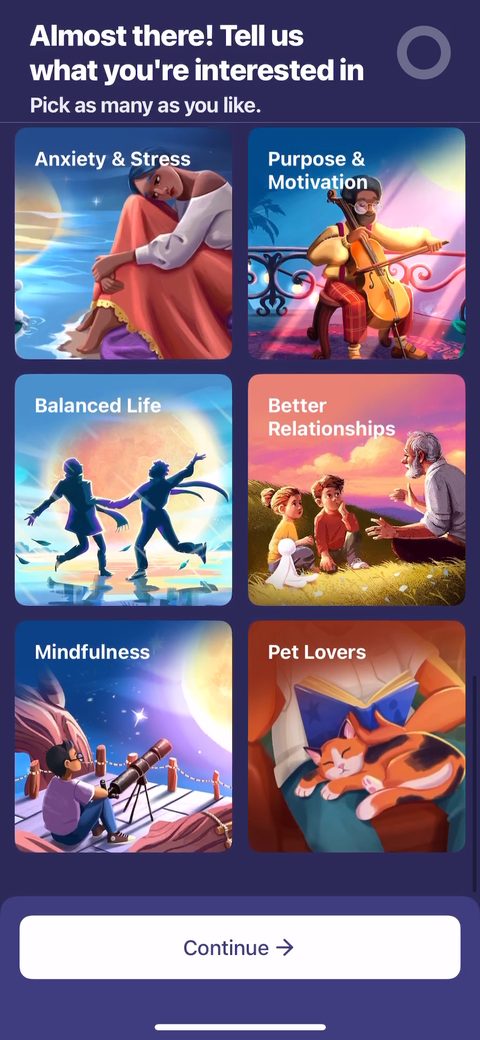 34
34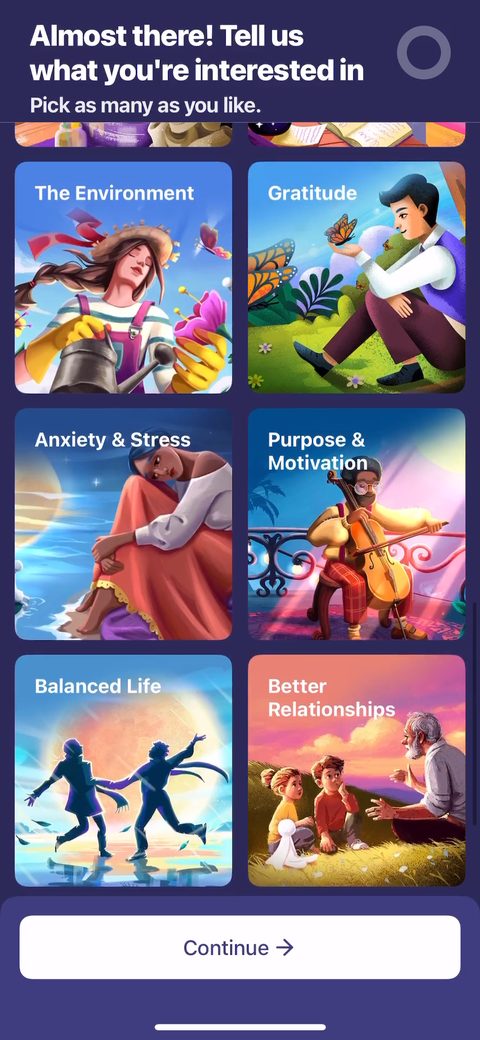 35
35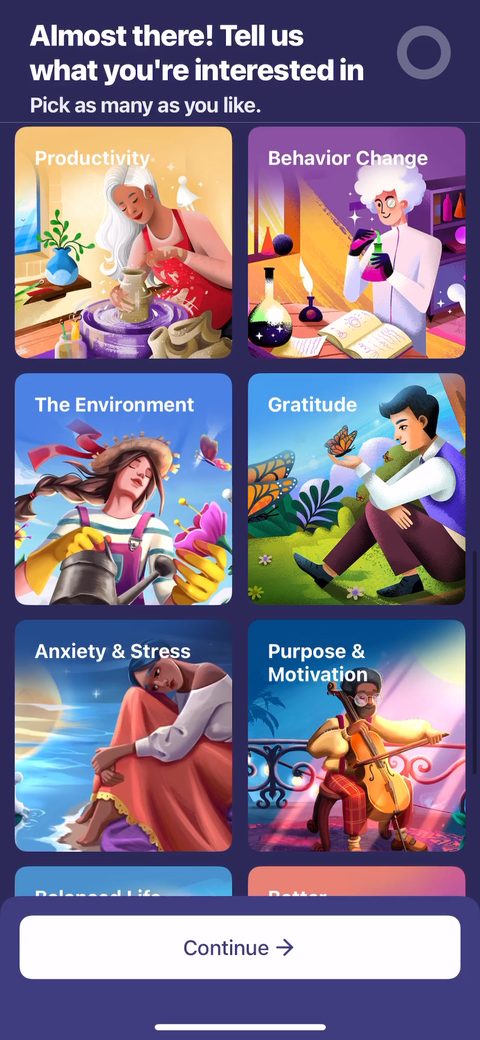 36
36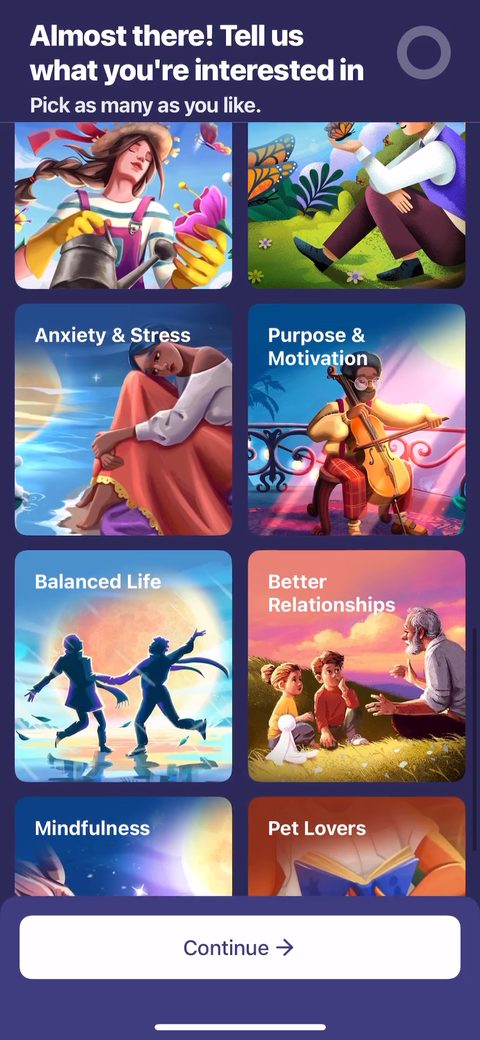 37
37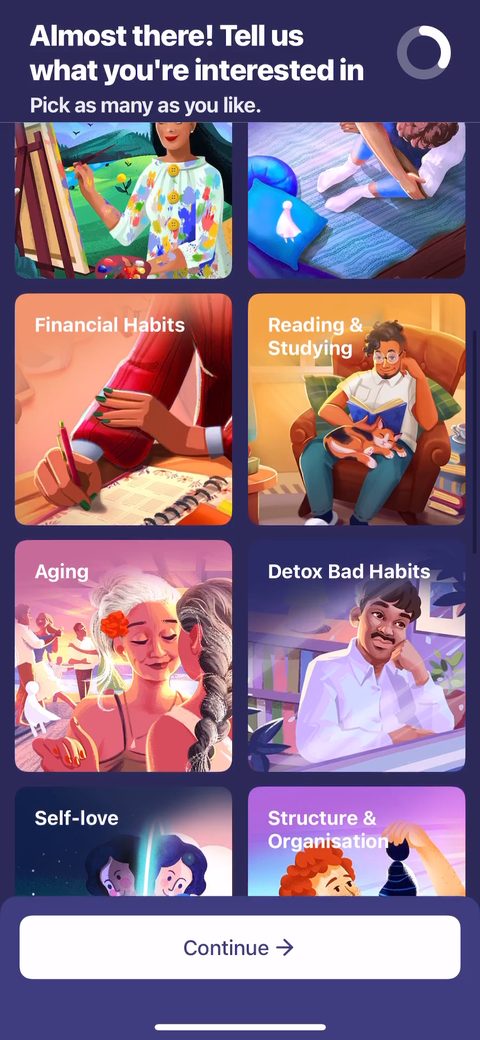 38
38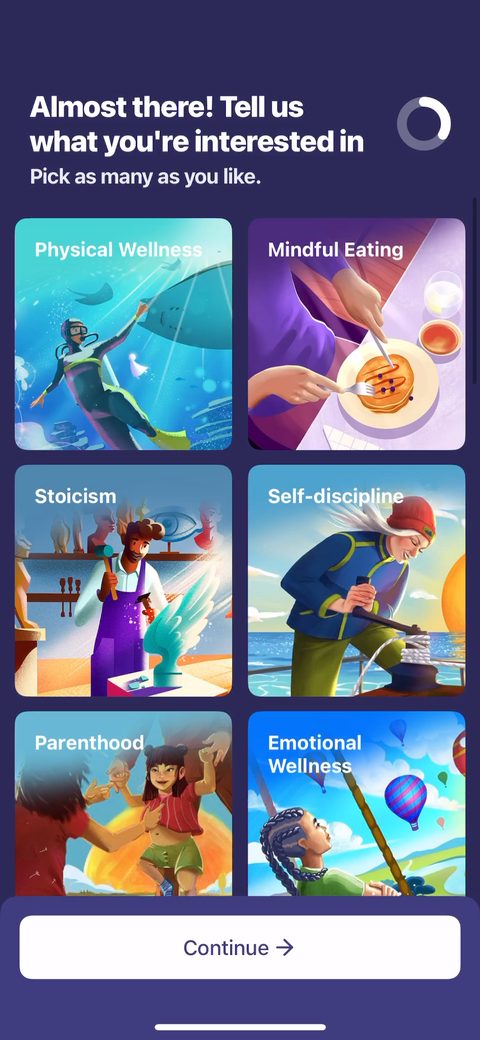 39
39 40
40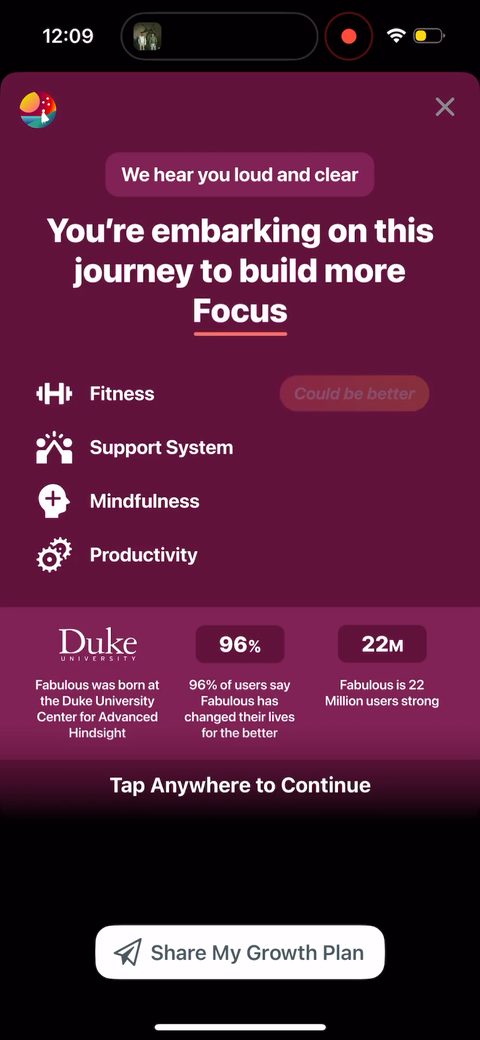 41
41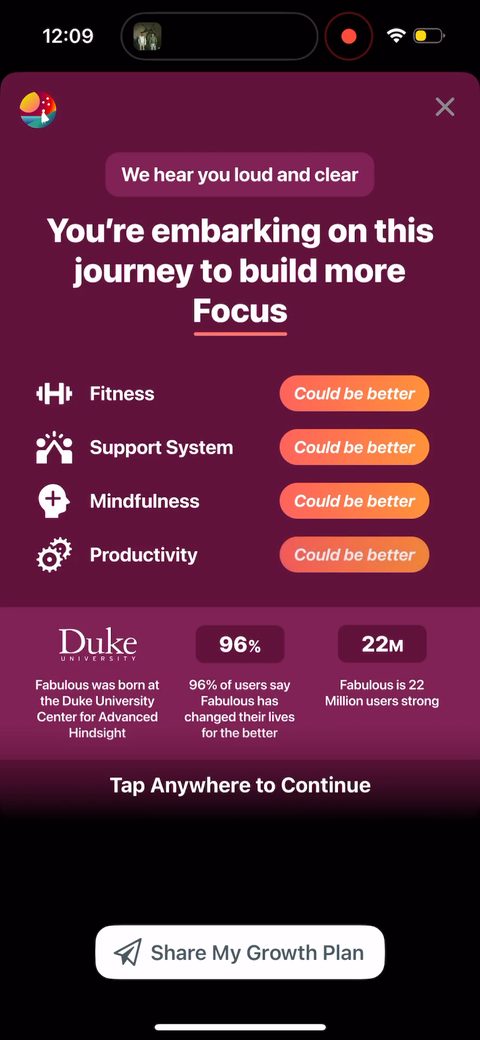 42
42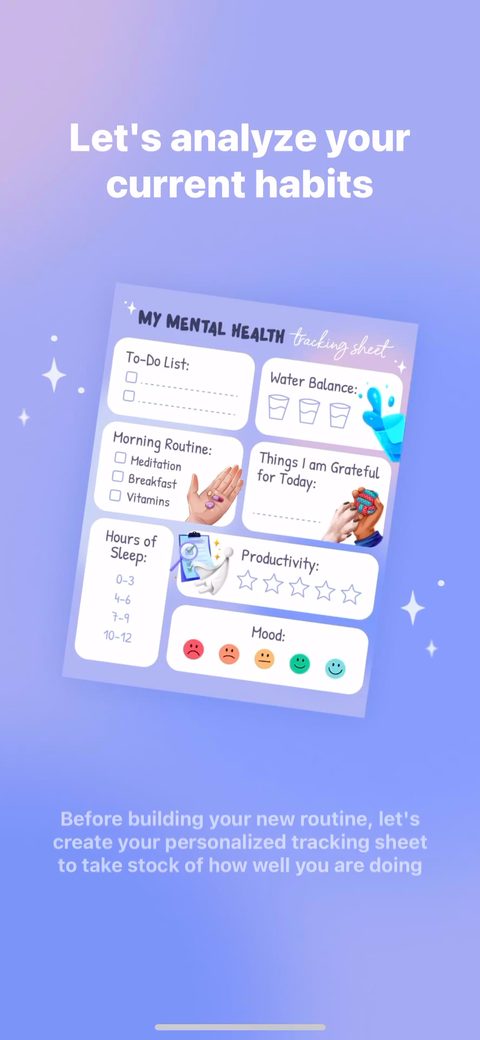 43
43 44
44 45
45 46
46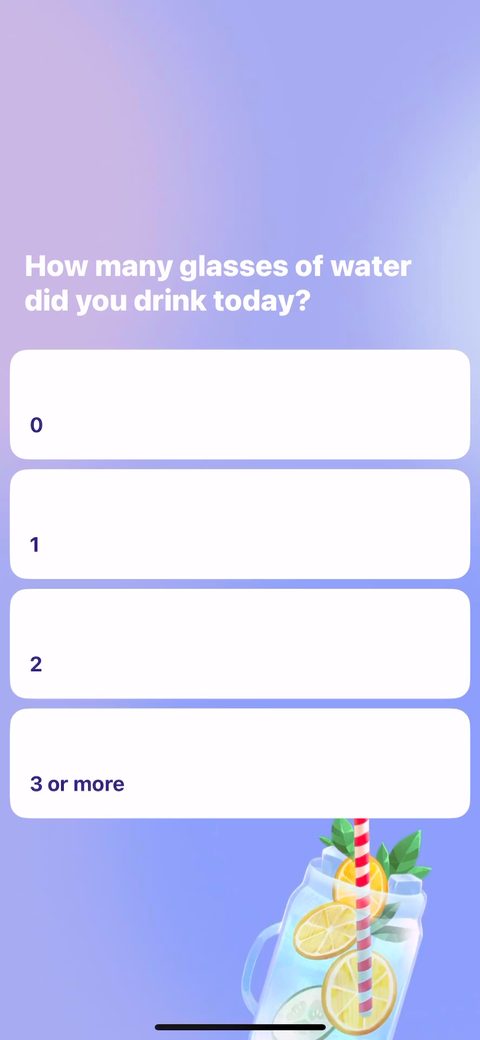 47
47 48
48 49
49 50
50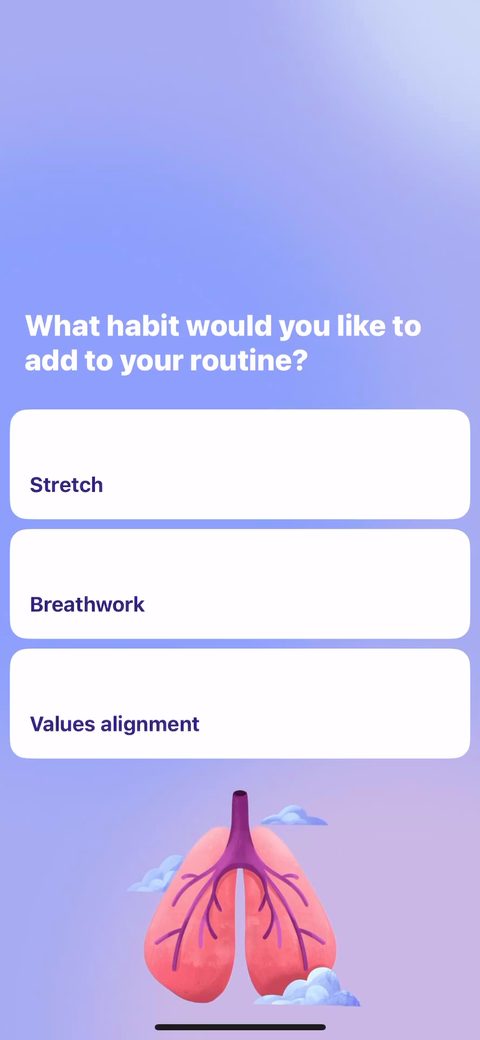 51
51 52
52 53
53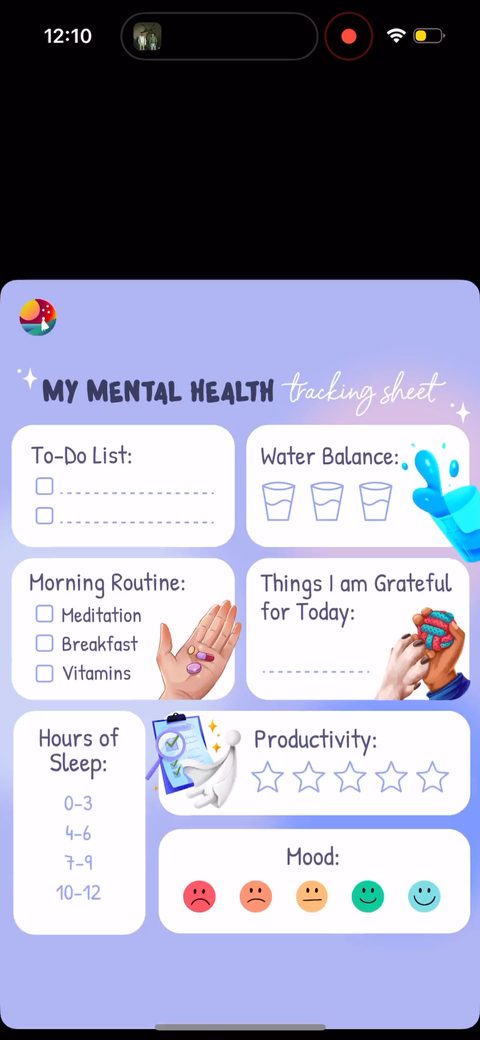 54
54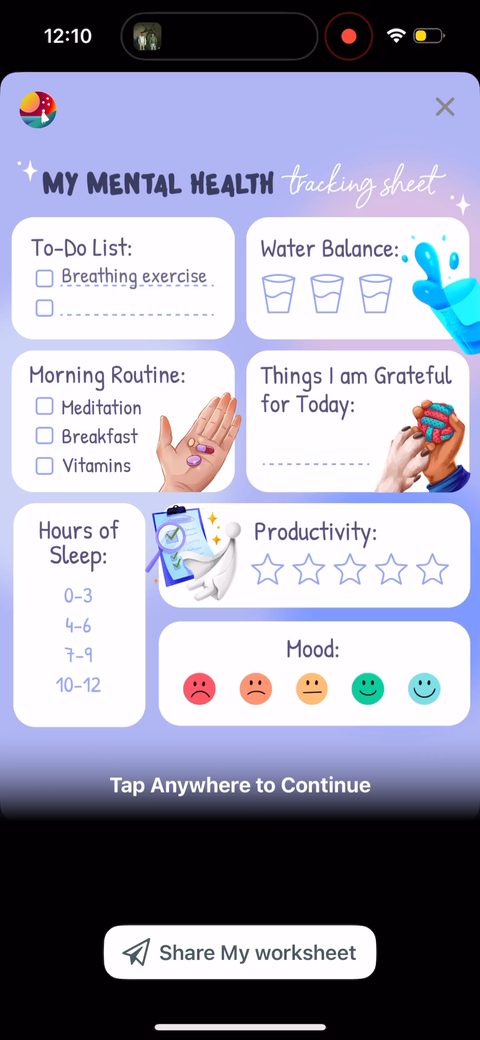 55
55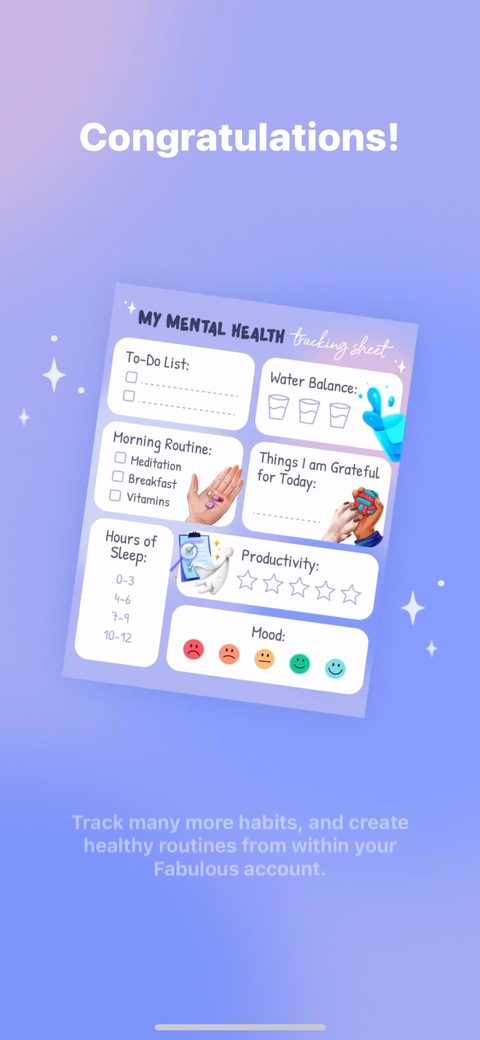 56
56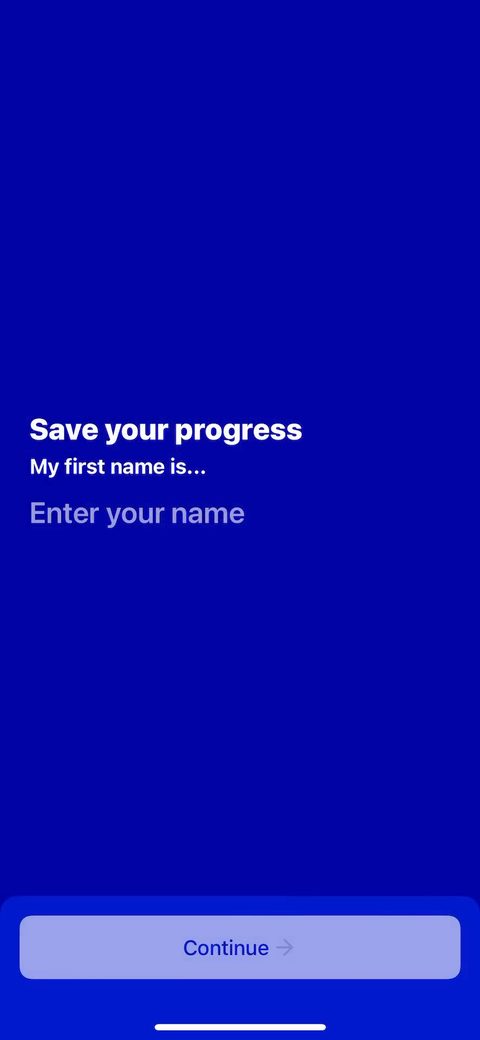 57
57 58
58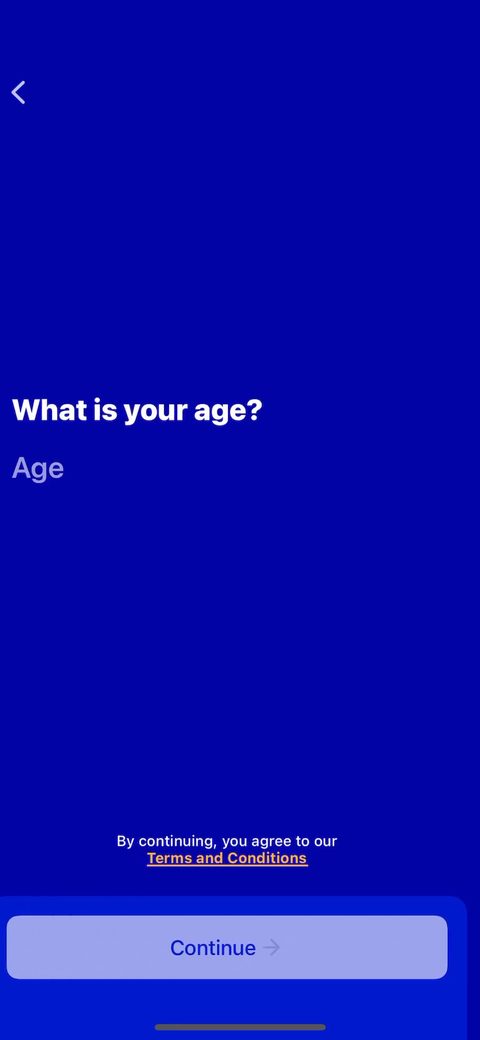 59
59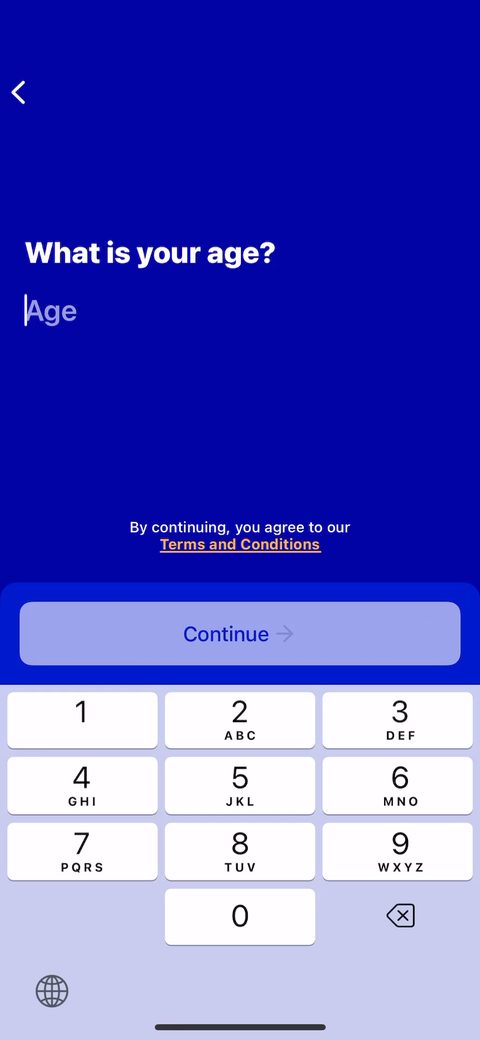 60
60 61
61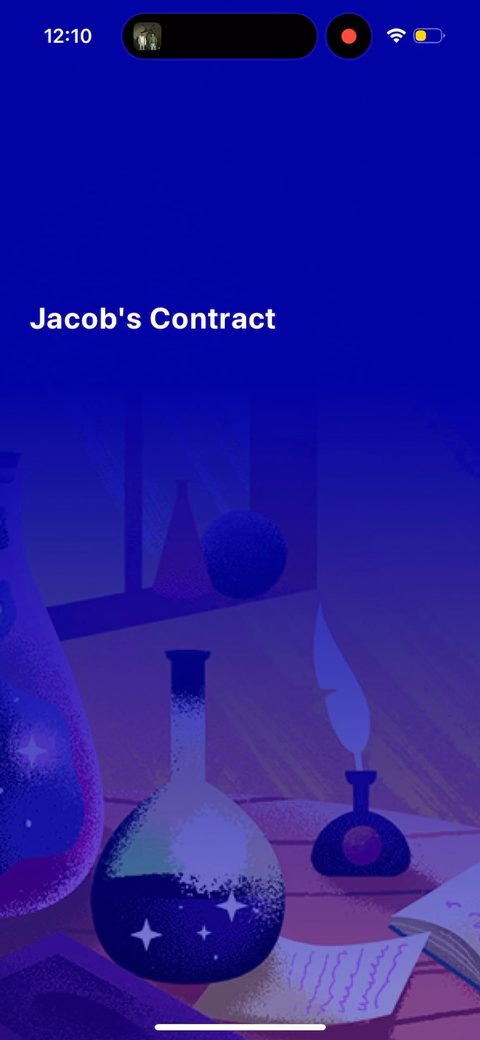 62
62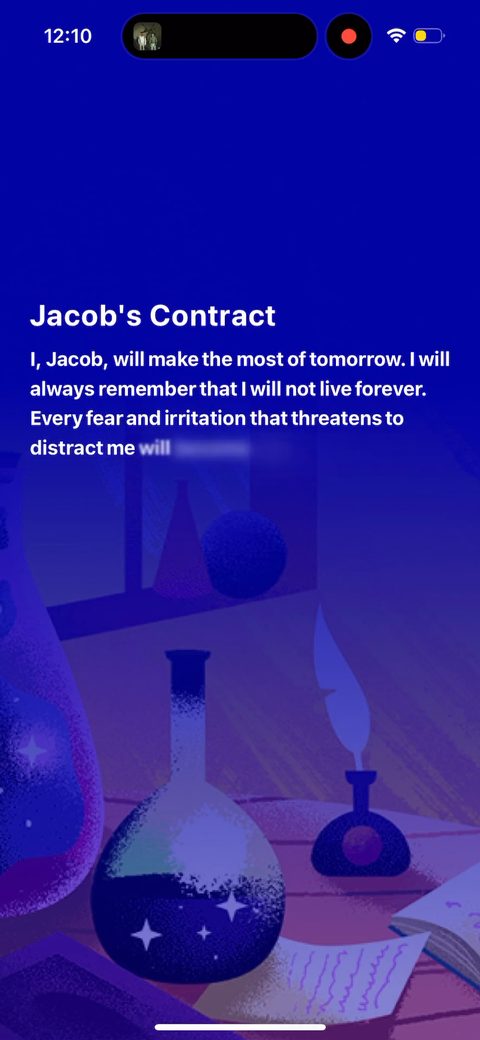 63
63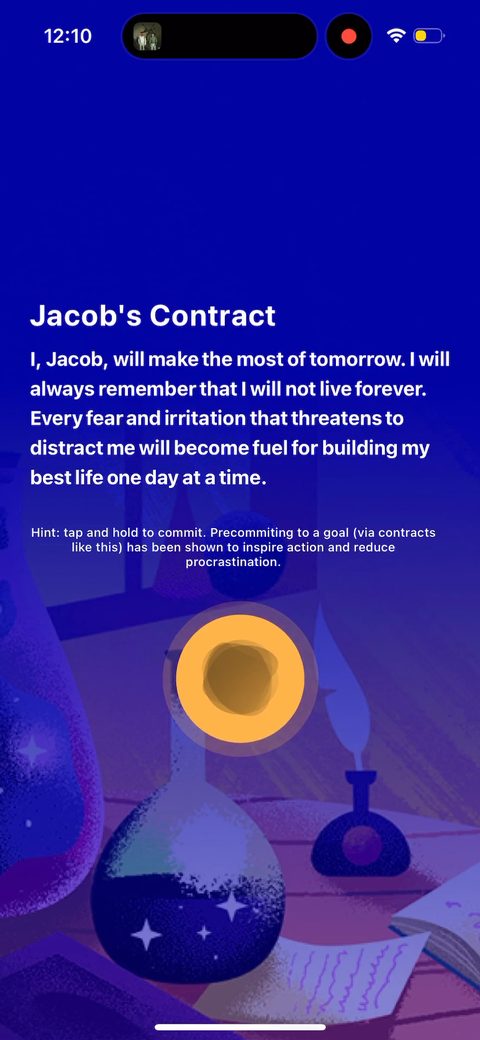 64
64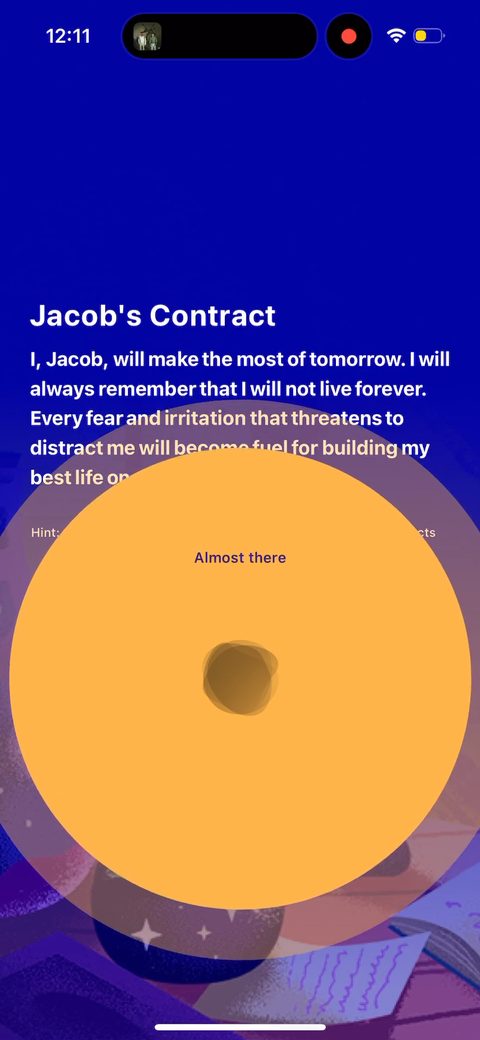 65
65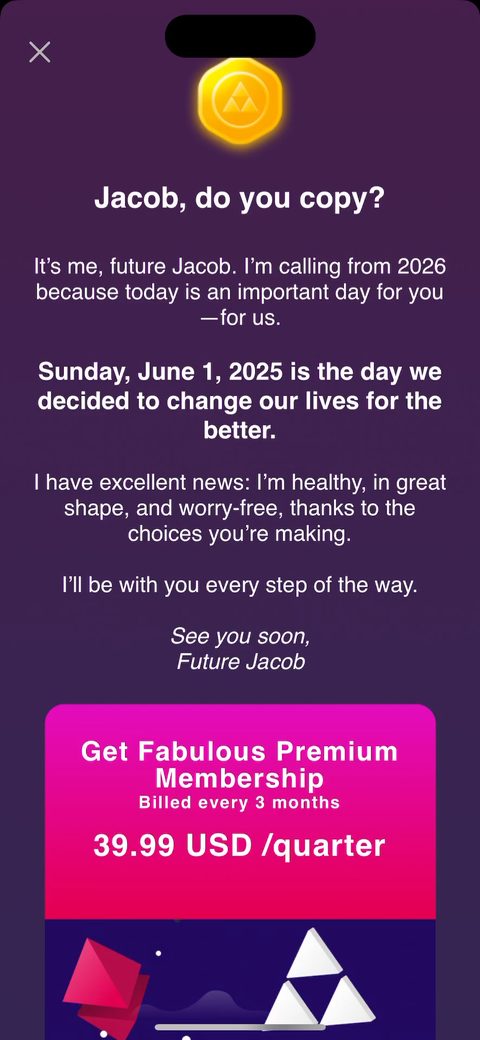 66
66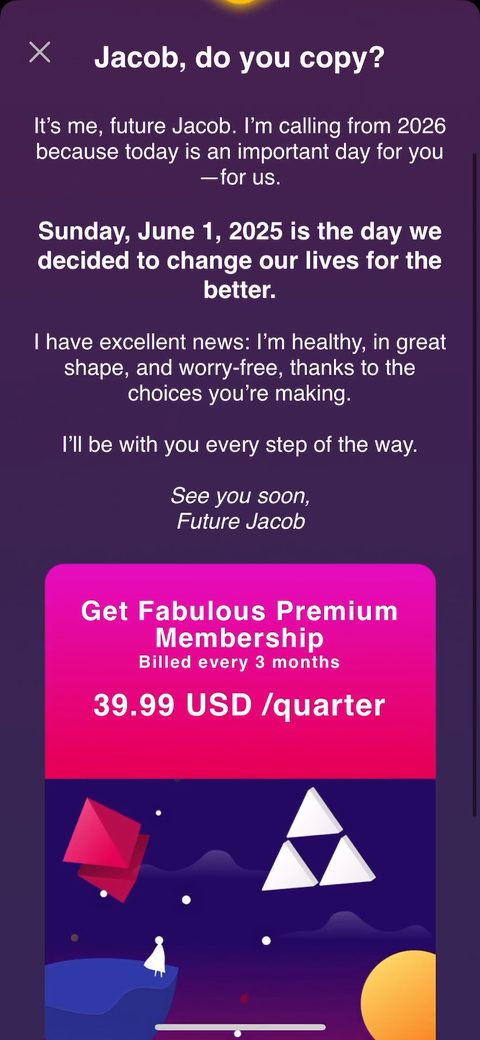 67
67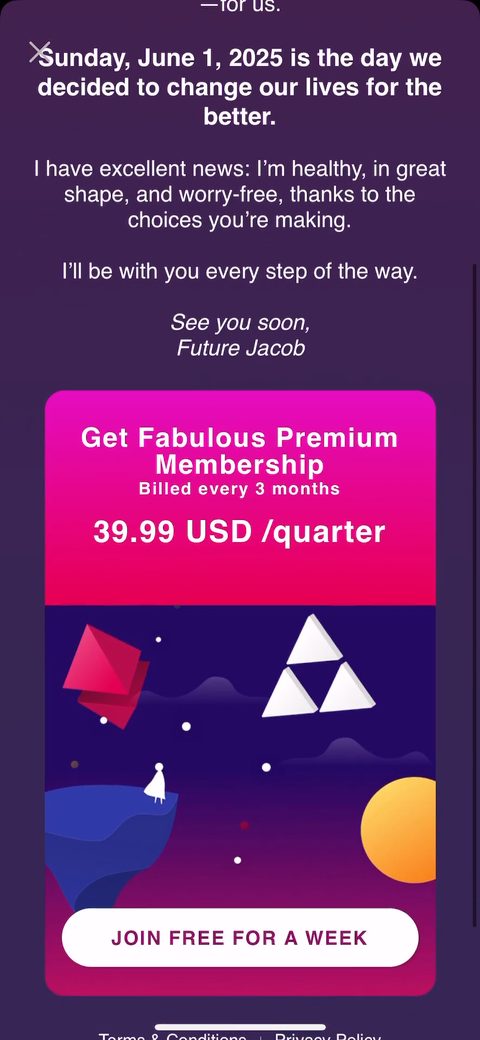 68
68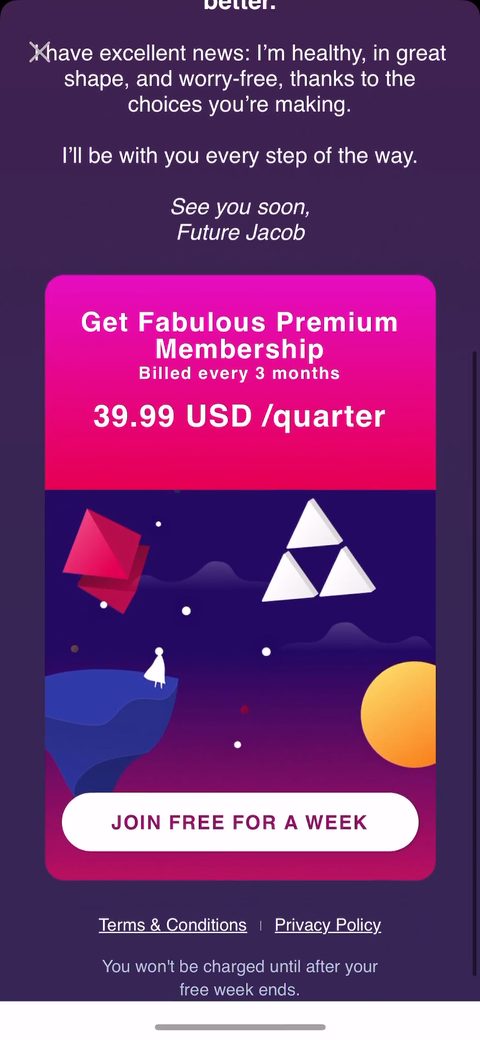 69
69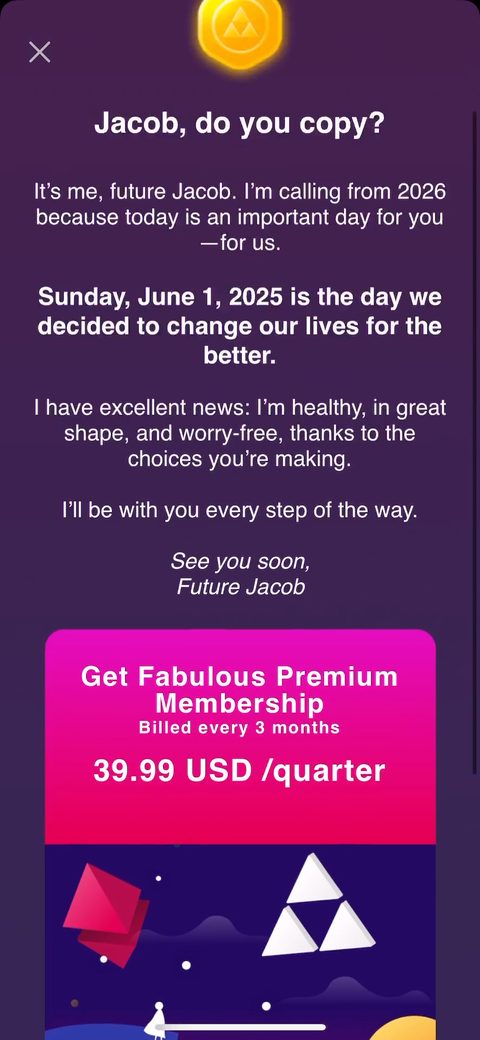 70
70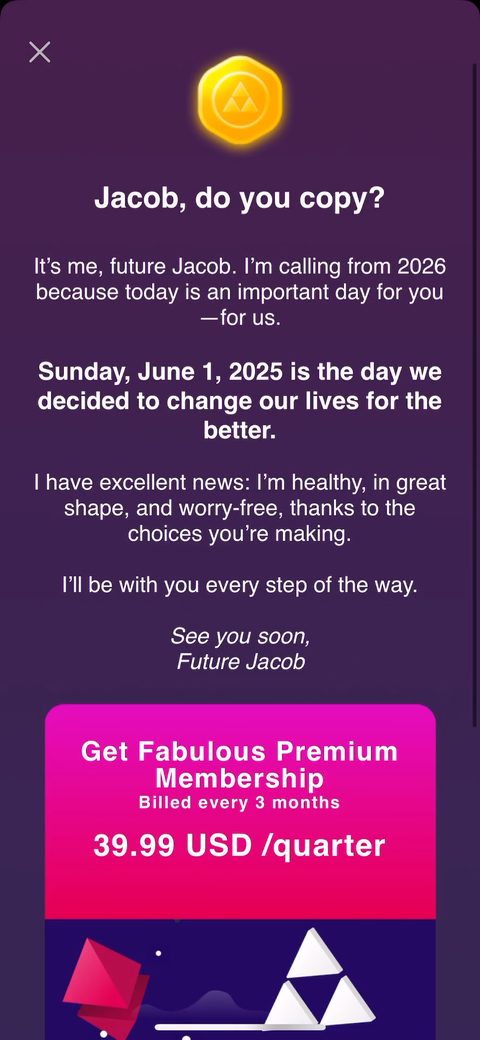 71
71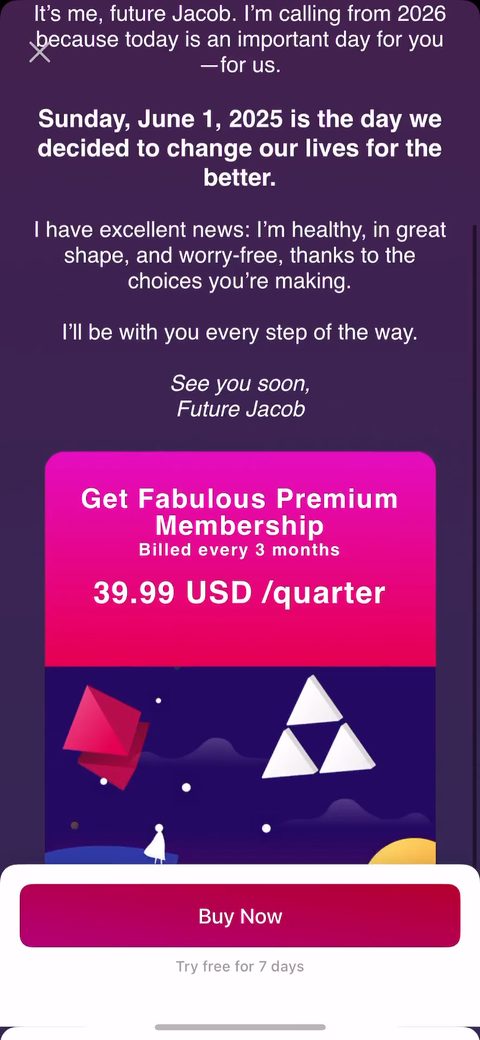 72
72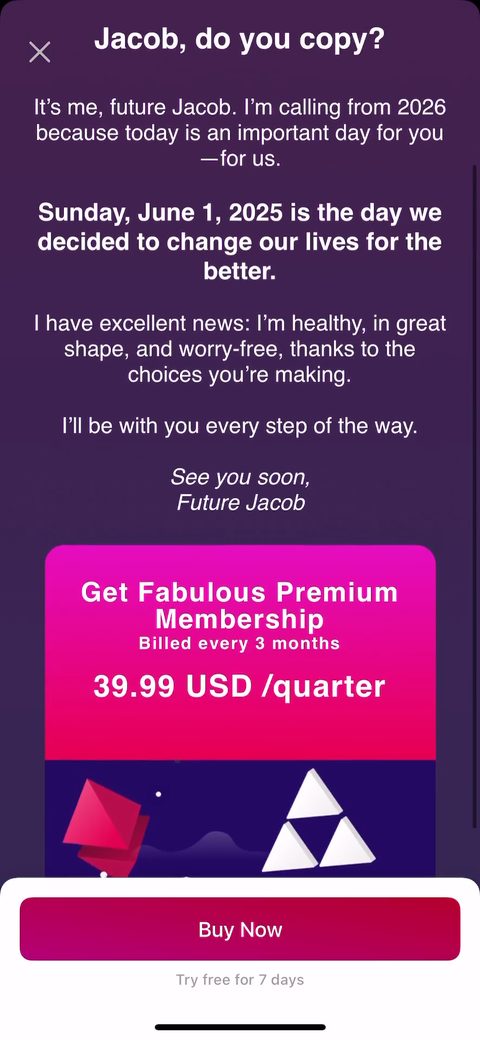 73
73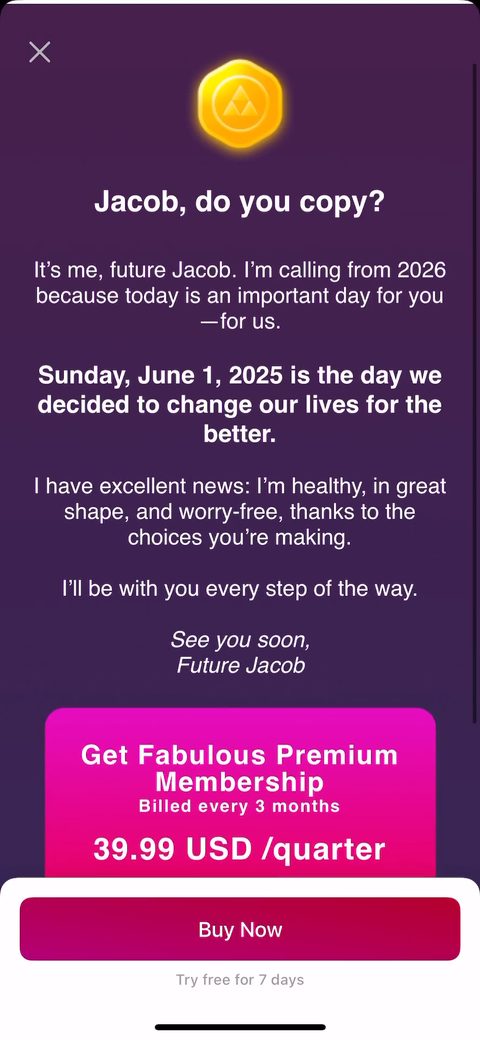 74
74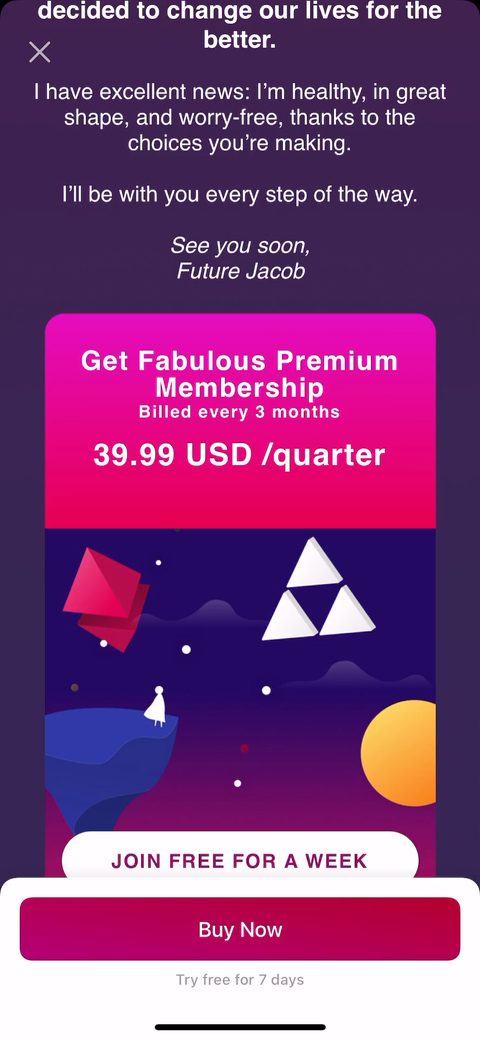 75
75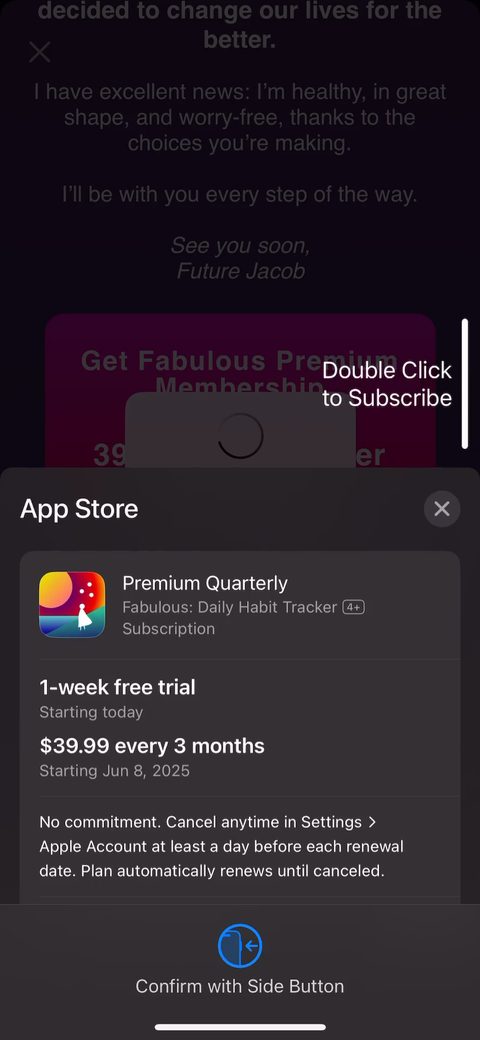 76
76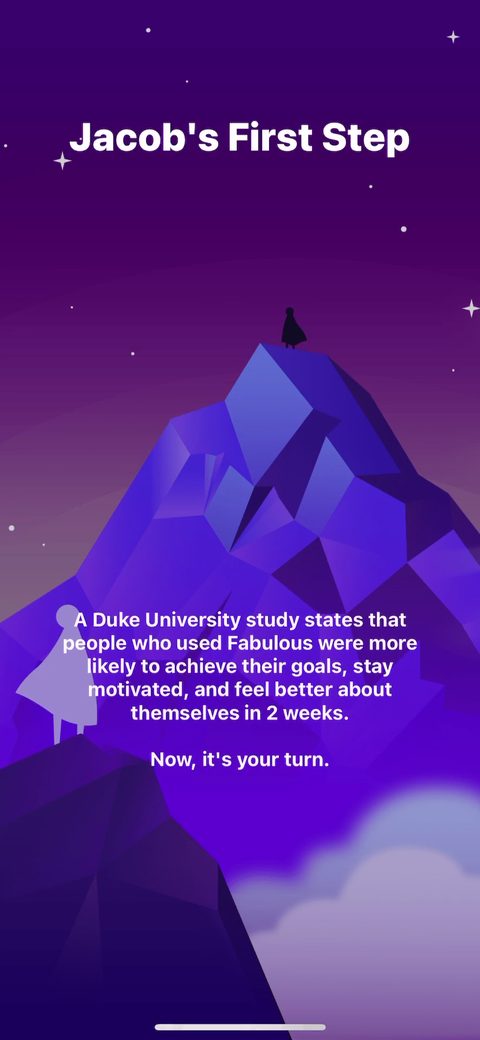 77
77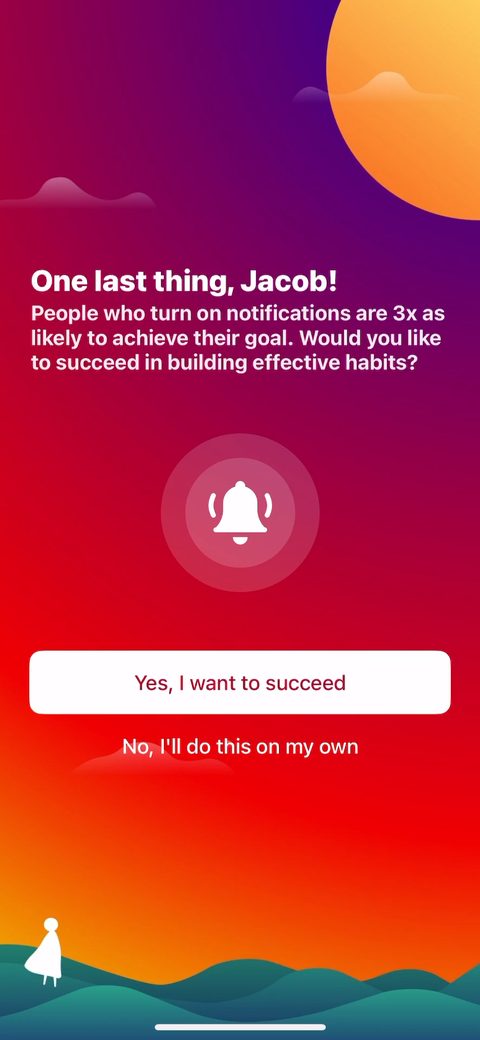 78
78 79
79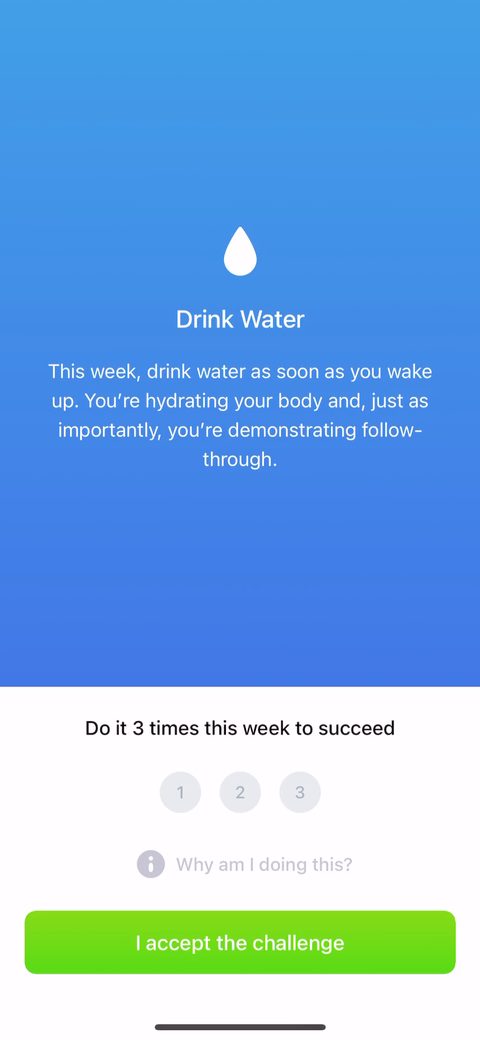 80
80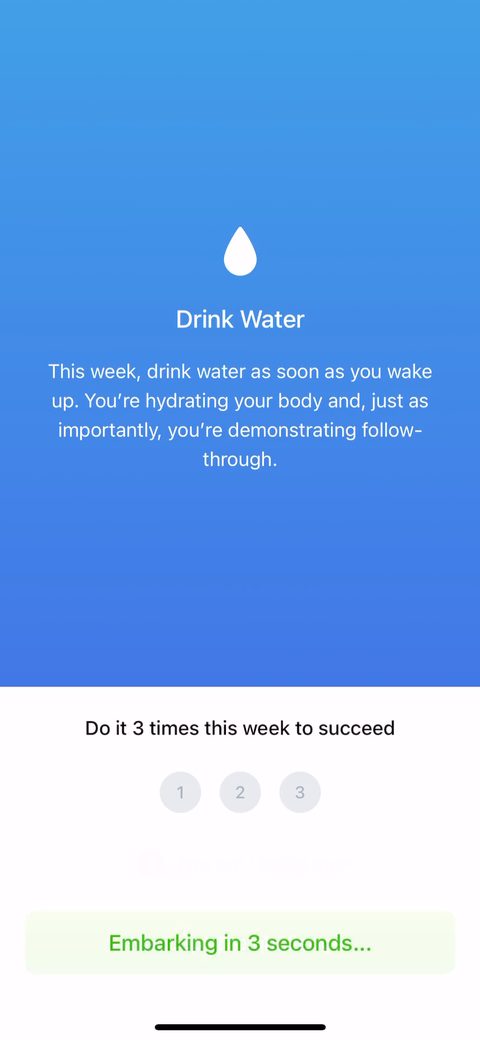 81
81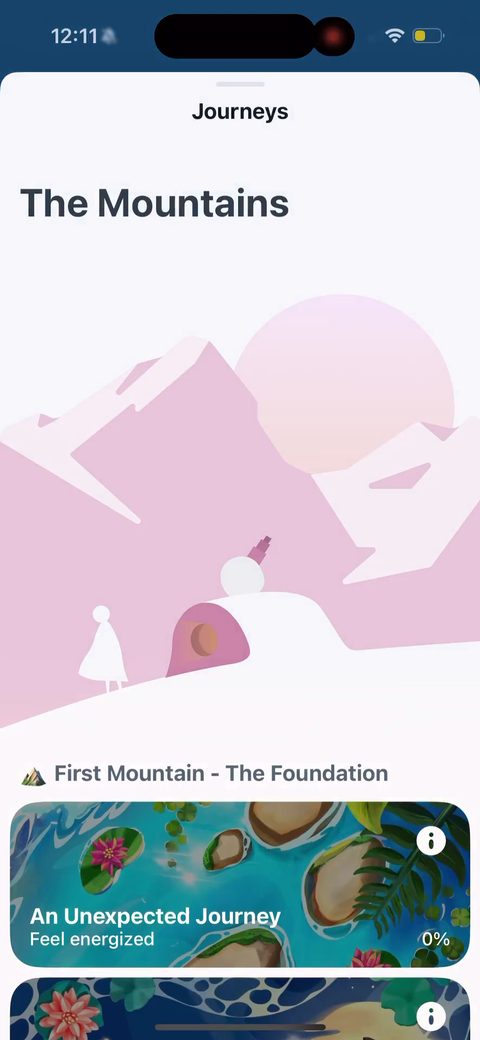 82
82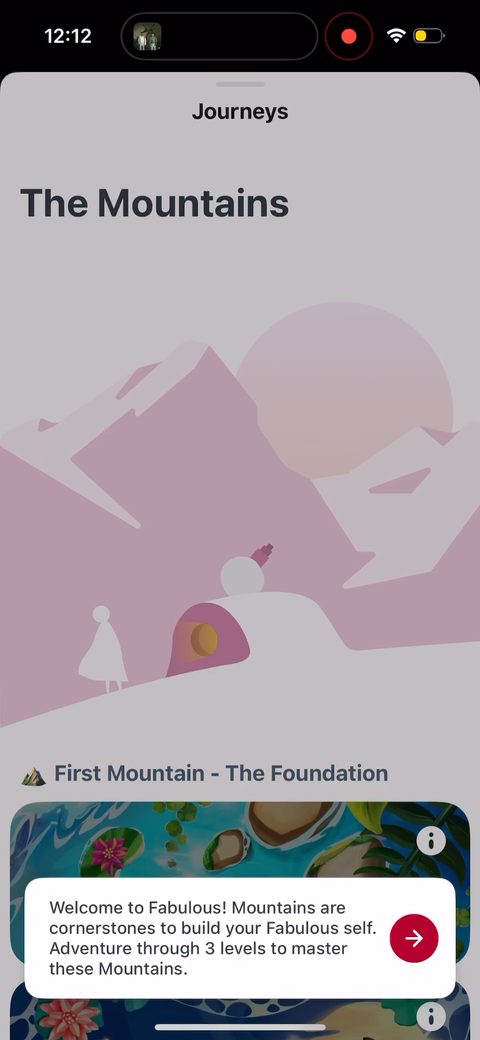 83
83 84
84 85
85 86
86 87
87 88
88 89
89 90
90 91
91 92
92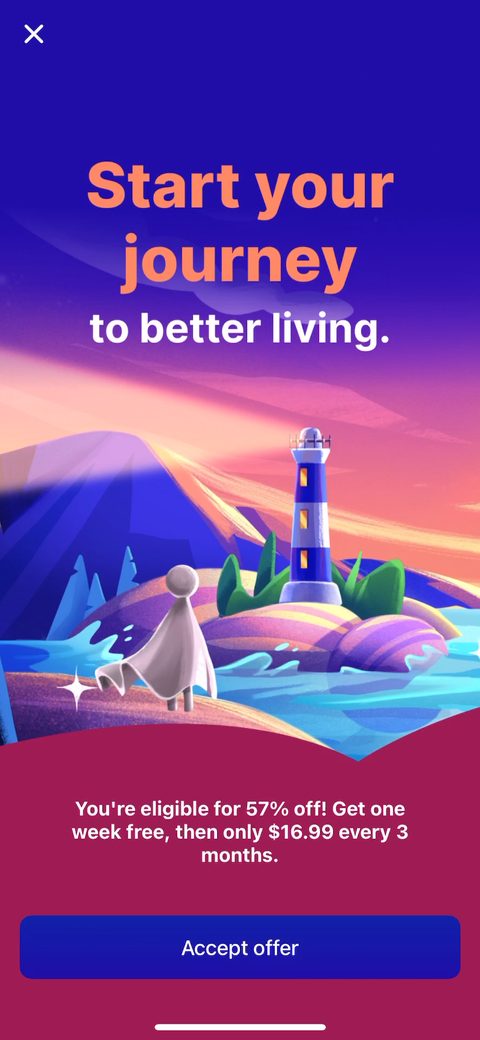 93
93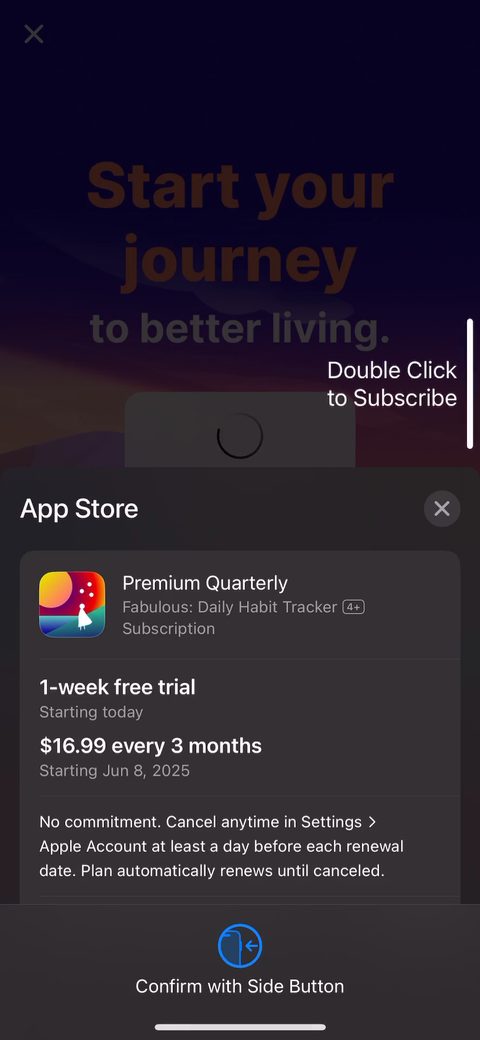 94
94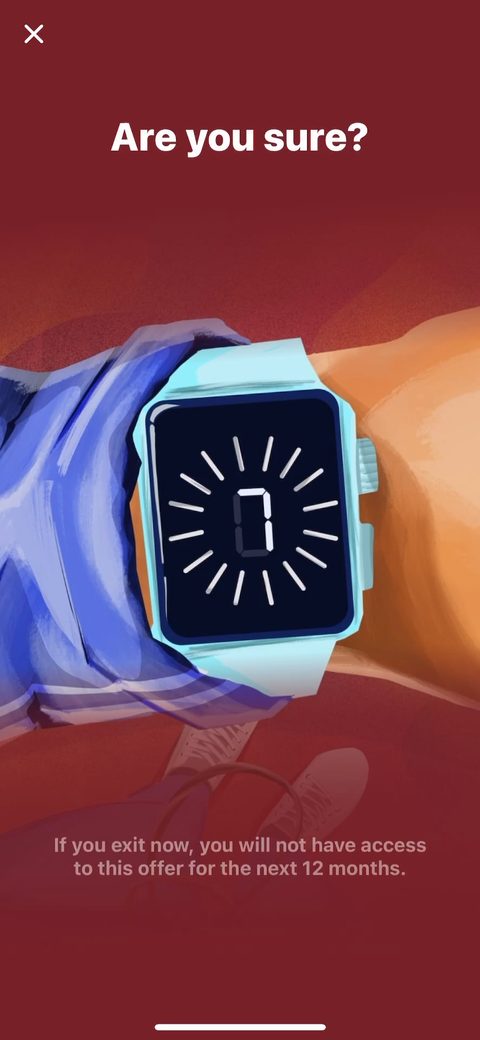 95
95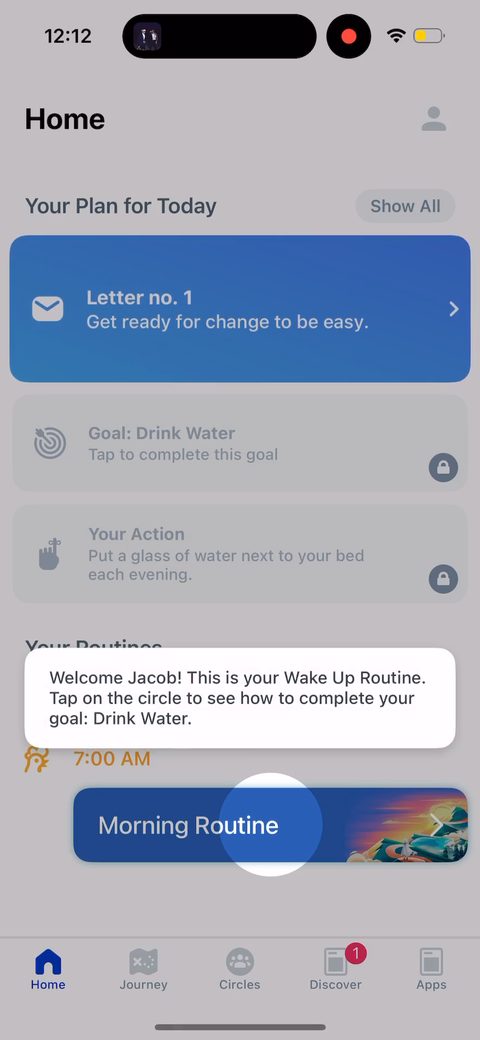 96
96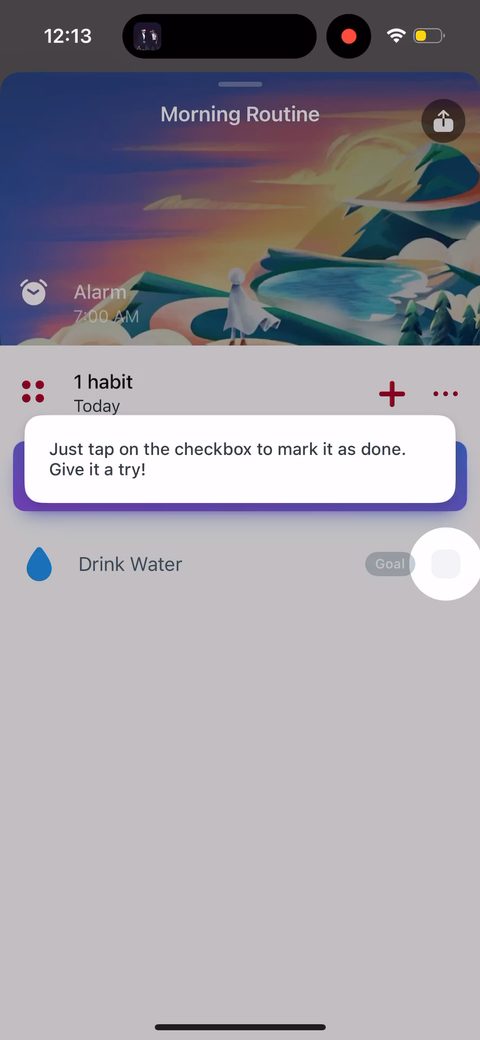 97
97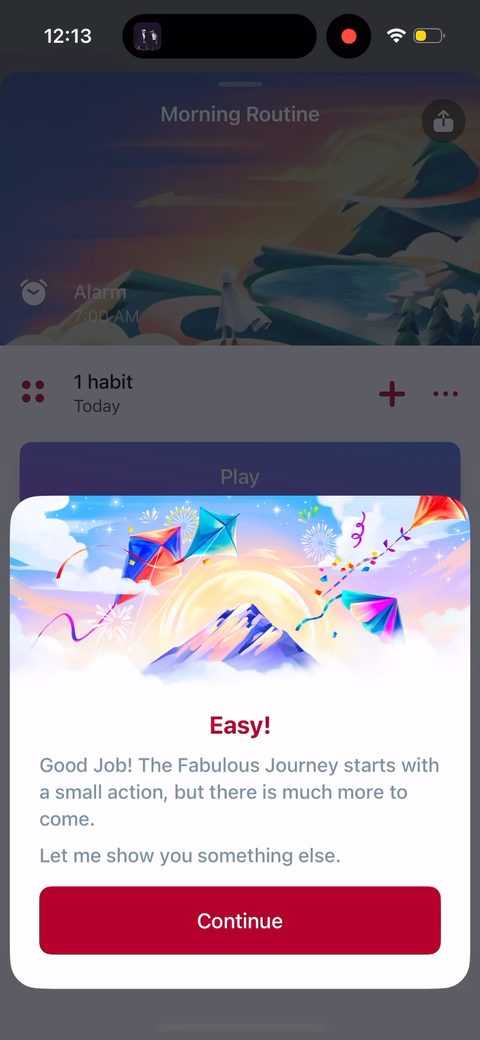 98
98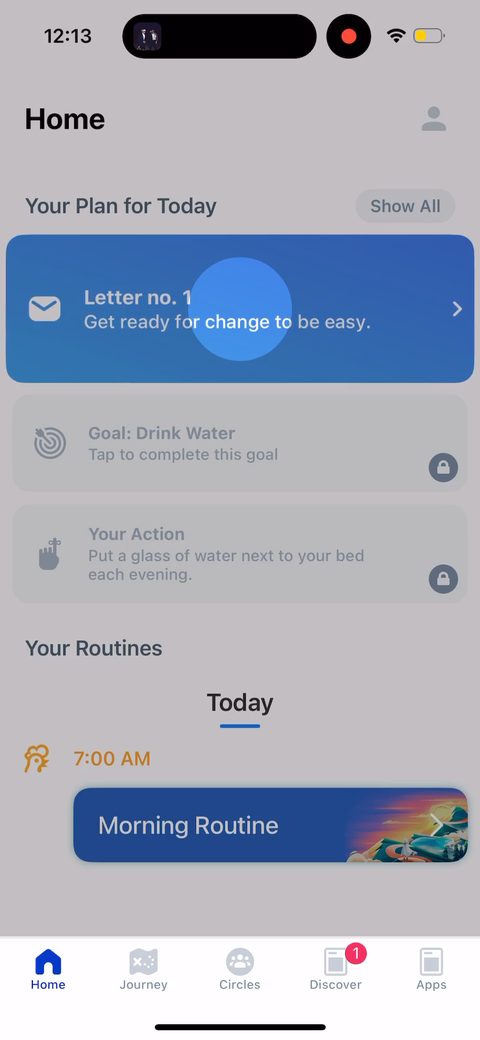 99
99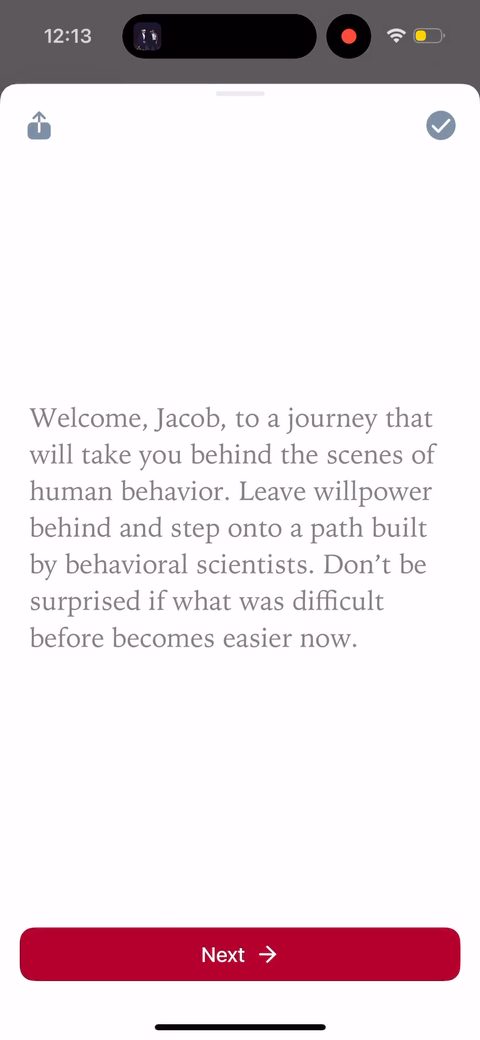 100
100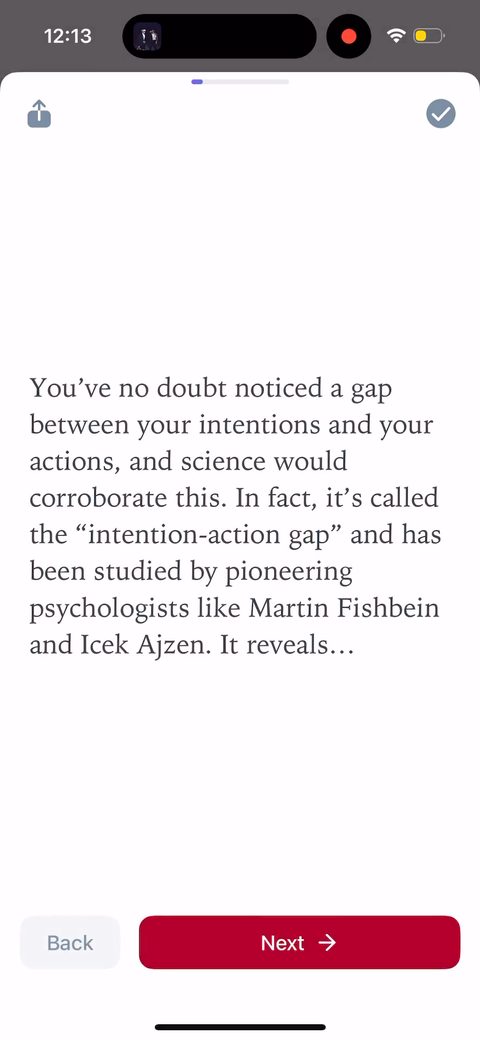 101
101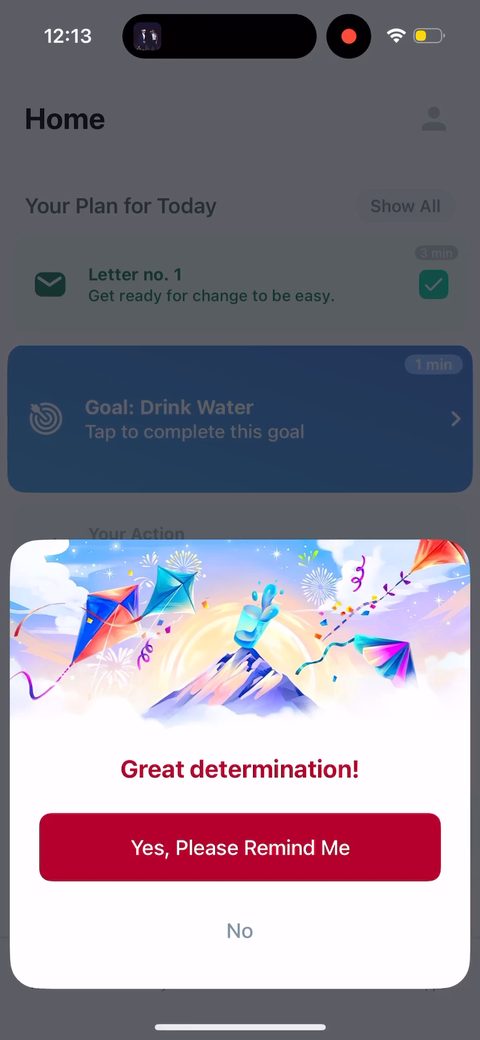 102
102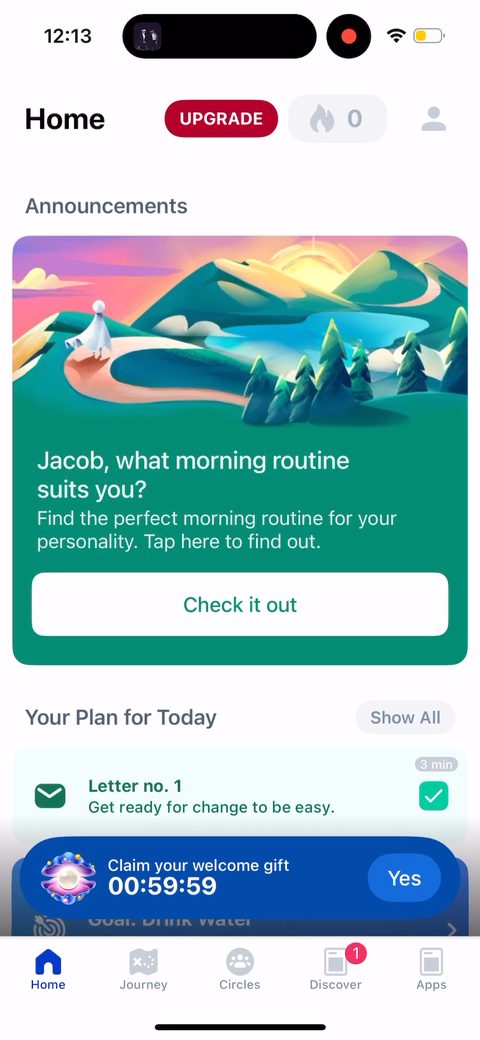 103
103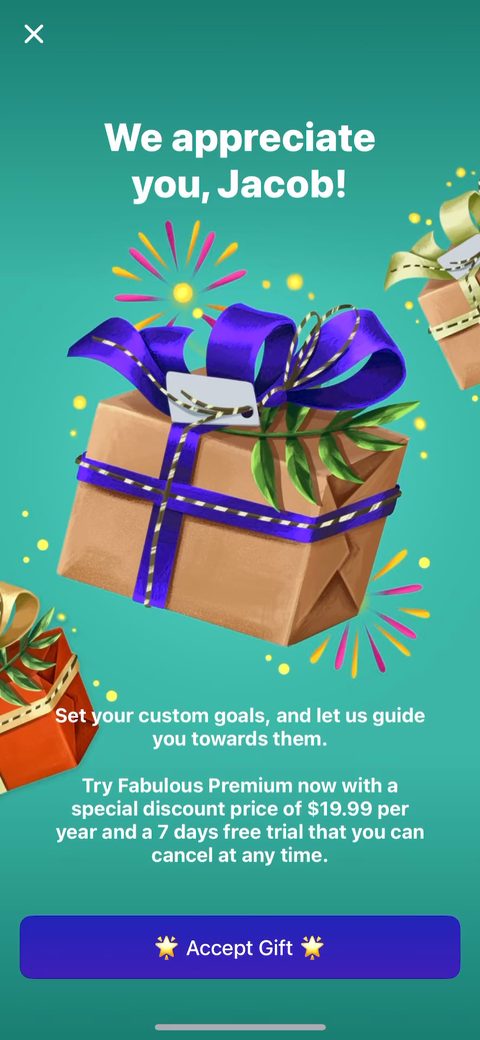 104
104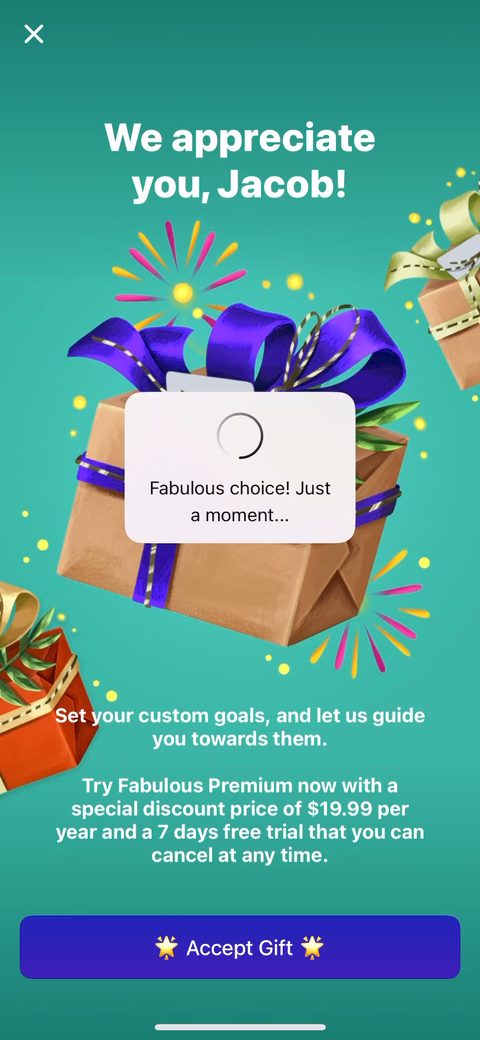 105
105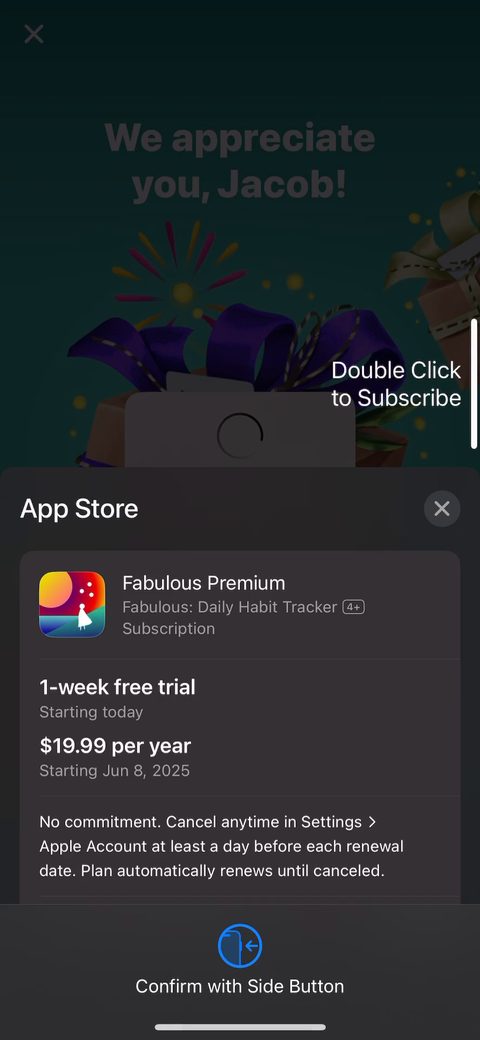 106
106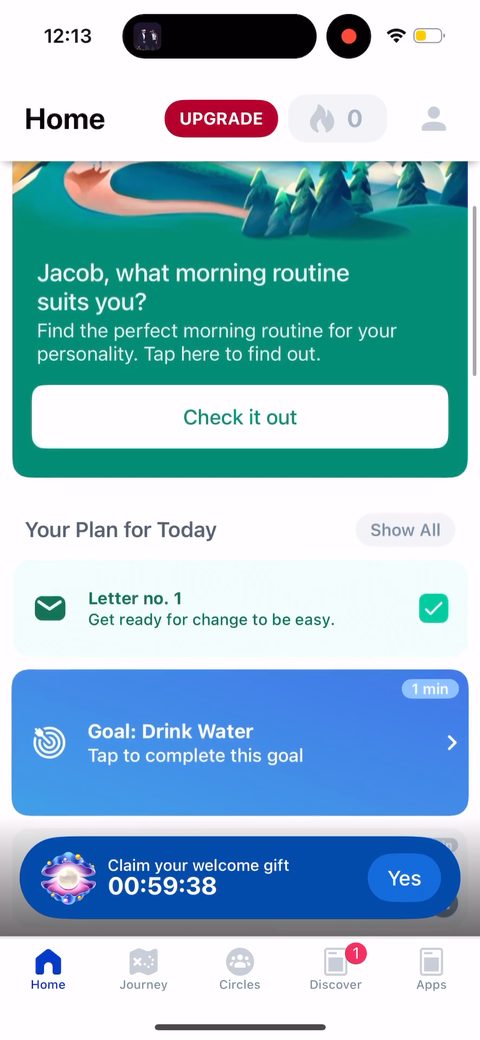 107
107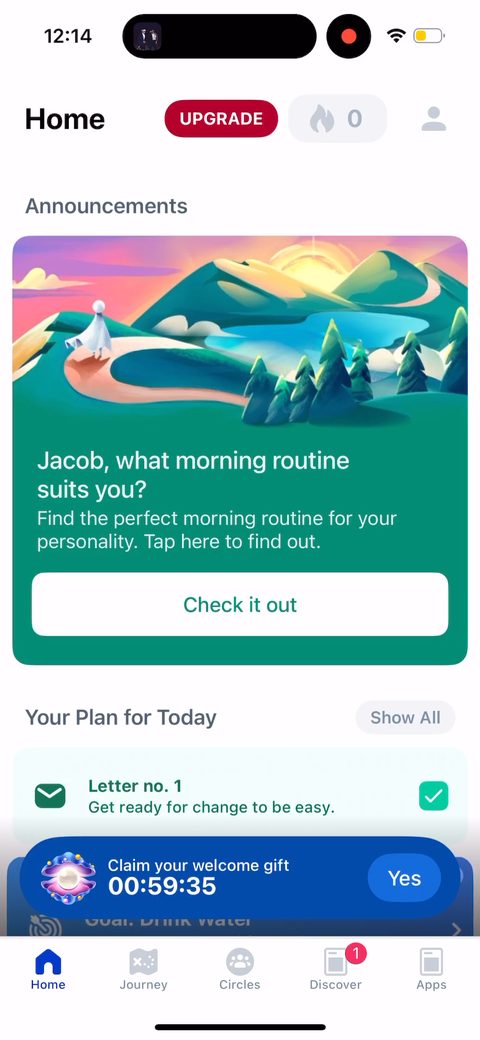 108
108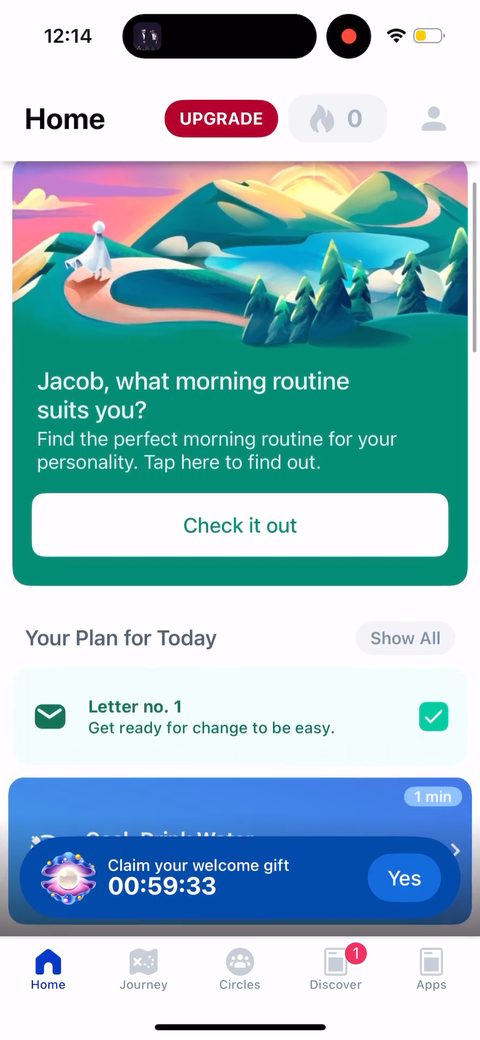 109
109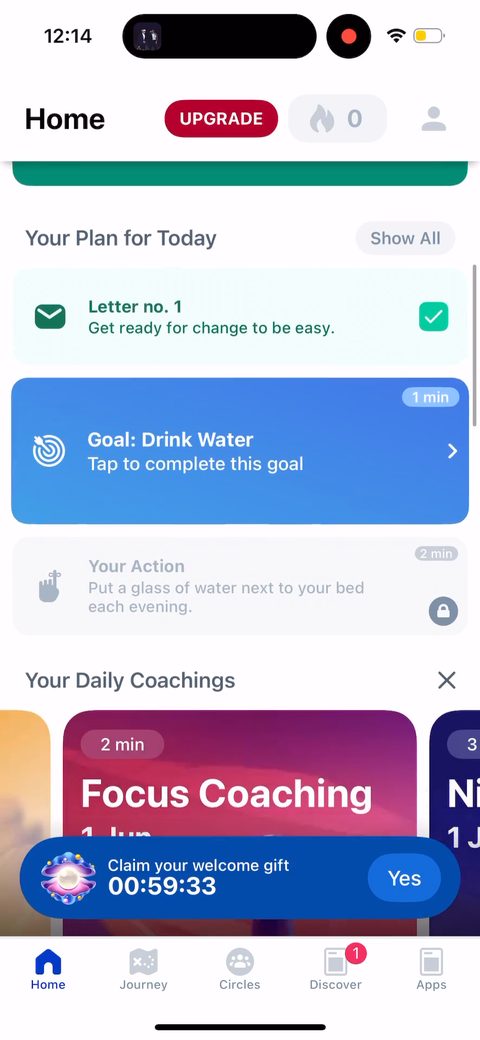 110
110