Mental HealthFreemiumpaywall: post signup pre valuevalue prop carouseltutorial demoone plan onlyfeature list
12Account creation is the very first thing, before any value. Jacob's usual flag: upfront signup leaks people who haven't felt anything yet. The copy tries to soften it ('take this easy step to start your healing journey') by framing the form as part of the healing rather than a gate. I'd test pushing signup a few screens deeper, after the personality teaser, and watch completion.34567Interactive true/false preview of the personality test. You tap real answers ('Food is not a great passion for me') instead of reading about a feature. A small micro-commitment that shows the product instead of describing it. These taps don't feed any personalization though, so it's a demo more than a quiz.89Before/after bar chart across Sleep, Relationships, Health, Self-acceptance, plus two research-org citations (Therapy Group of NYS, Mental Health America). It's selling the gap between current you and future you, with borrowed authority to back the claim. Standard value framing right before the ask.10Notification permission framed by benefit: 'reminders and uplifting quotes.' Better than the bare iOS prompt. I'd still move it after the user has a reason to want pings (a logged mood, a saved test), since asking cold here costs you the opt-in.11Paywall is one weekly plan ($8.49/week after a 7-day trial) dressed up as a build-your-own bundle. The 'Customize Your Subscription' toggles (Add All, Tests, Courses, Journaling) are all on and all part of the same sub, so it's framing, not real choice, but it makes the price feel like it covers a lot. The Day 5 / Day 7 timeline is the standard trial-trust visual. Weekly pricing reads cheap per unit but pencils out near $440/year.12131415161718192021222324Tutorial with a 'step 6/6' counter and a skip. Goal gradient: showing you're on the last step nudges completion. Keeping the skip is the right call so you don't trap people who just want into the app.252627The real personality test, gated behind the paywall: 60 questions, 18 min, the '16 personality types' payload. Long, but it's the kind of self-discovery result people actually want. Sitting it after the wall makes it double as a reason to have paid.2829Second paywall pass, this one heavy on cancellation reassurance: 'trial reminder enabled,' 'no payment now,' and step-by-step cancel instructions. Most people don't buy on the first wall, so the follow-up leans on lowering trial anxiety instead of re-pitching value.303132333435363738394041424344454647484950515253A sponsored BetterHelp 'Find a Specialist' card sits right in the home feed. Breeze is stacking affiliate revenue on top of subscriptions, monetizing free (and even paid) users by routing them to therapy referrals. Worth knowing this is a real second revenue line, not just a one-off.5455Tapping through dumps you into BetterHelp's own web funnel with a 'Breeze App members 20% off' code. The handoff is jarring (full data-sharing consent wall, a betterhelp.com URL bar), but the affiliate economics clearly beat keeping it clean. I'd test a lighter in-app interstitial before the web jump.56575859606162636465666768697071727374Another cross-promo, this time to Soulmates, a relationship app. Same affiliate playbook as the BetterHelp card. Breeze's home feed is largely an ad surface, which tells you the subscription alone isn't carrying the model.75767778Contextual 'Try Breeze Premium' card wedged into the Courses list, with a couple of free courses visible above it. This is the freemium catch for everyone who closed the onboarding paywall: show real content, lock the rest, ask again in context.7980818283848586878889Mood entry asks for the emoji scale plus words, what you've been up to, and a photo 'that recaptures the atmosphere of the day.' The photo prompt is a nice investment hook: the more you put in, the more the app feels like yours and the harder it is to walk away from.90919293
Powered byBotsiAI/ML models to show the right paywall to each user to grow revenueLearn more →
 1
1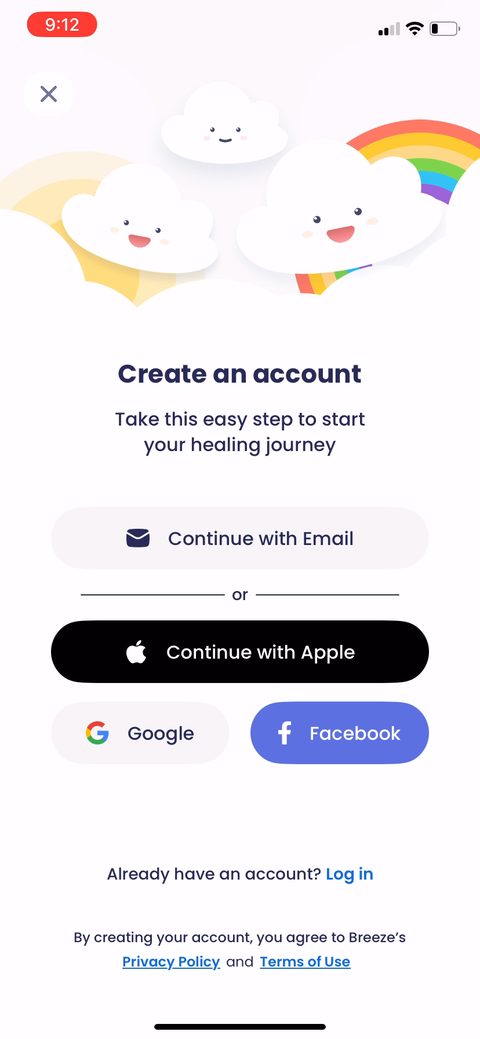 2
2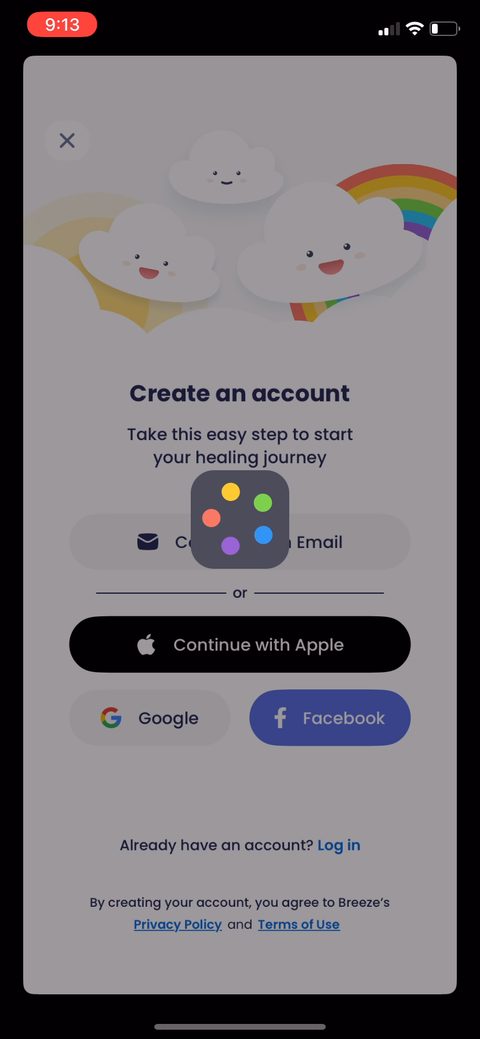 3
3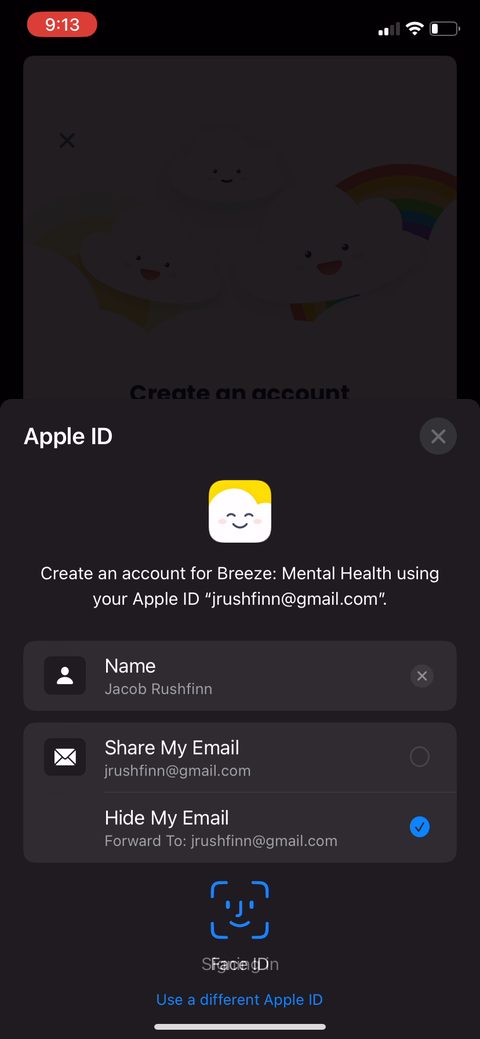 4
4 5
5 6
6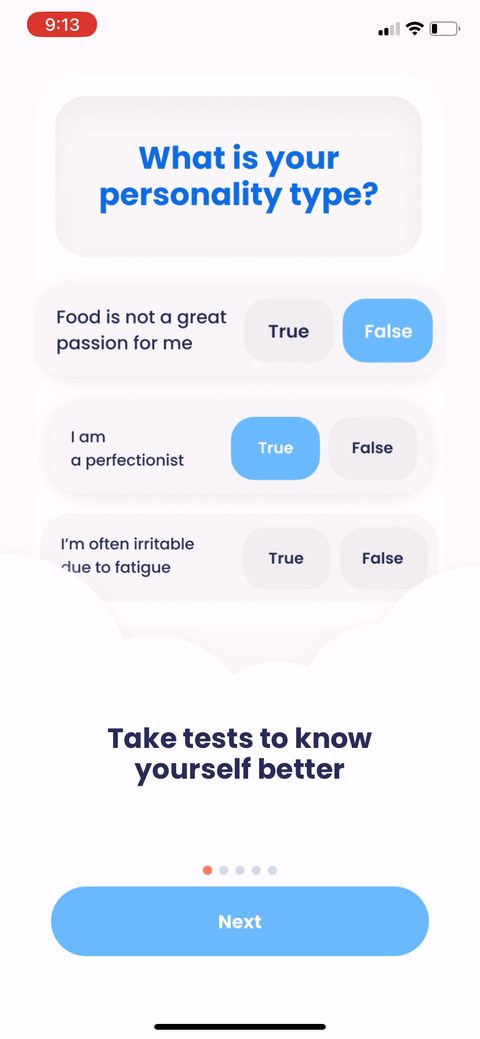 7
7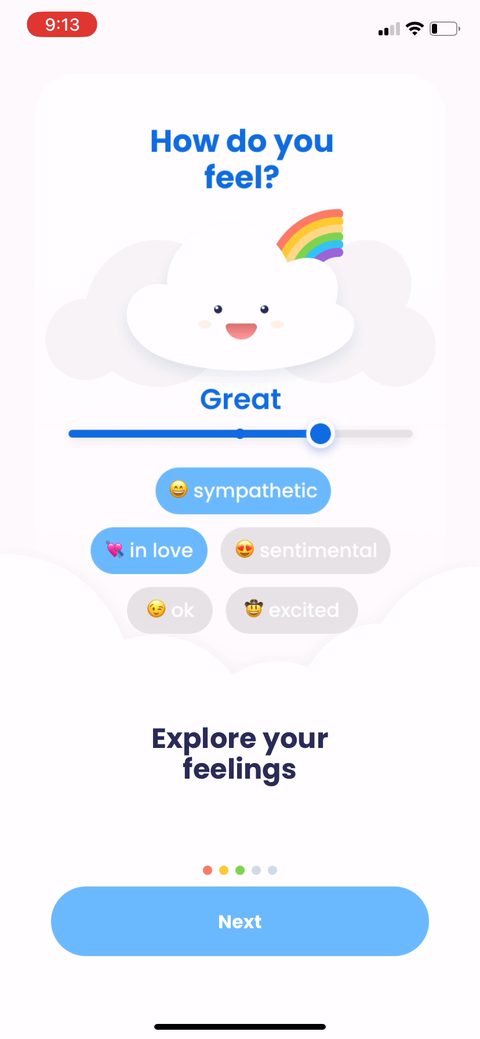 8
8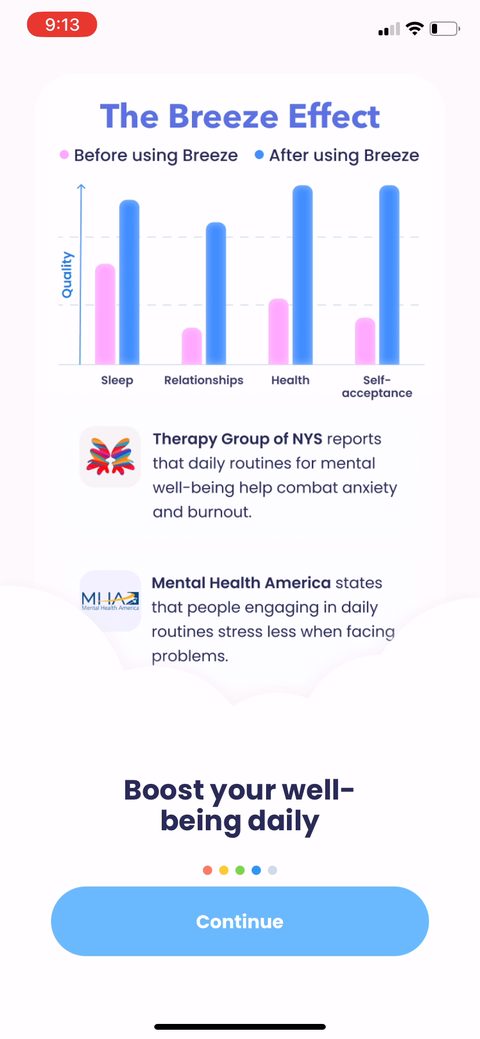 9
9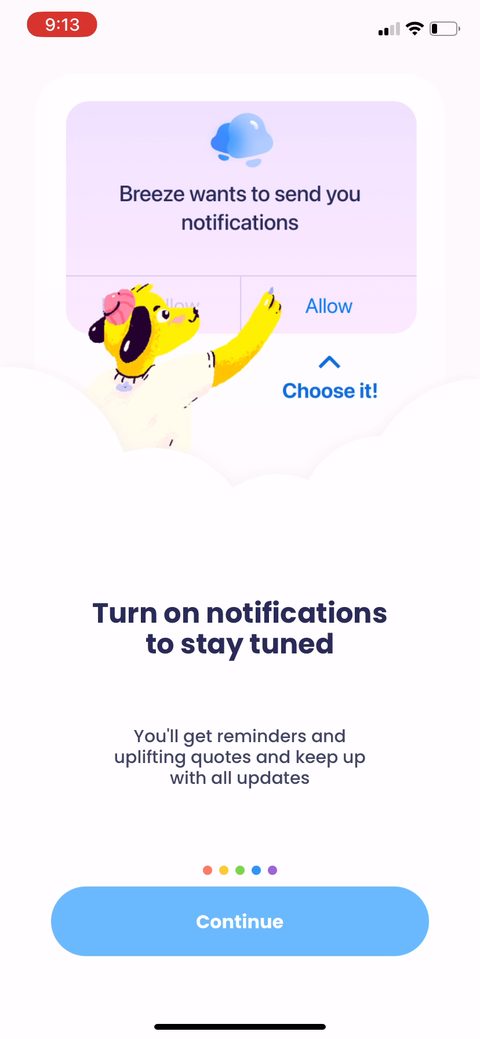 10
10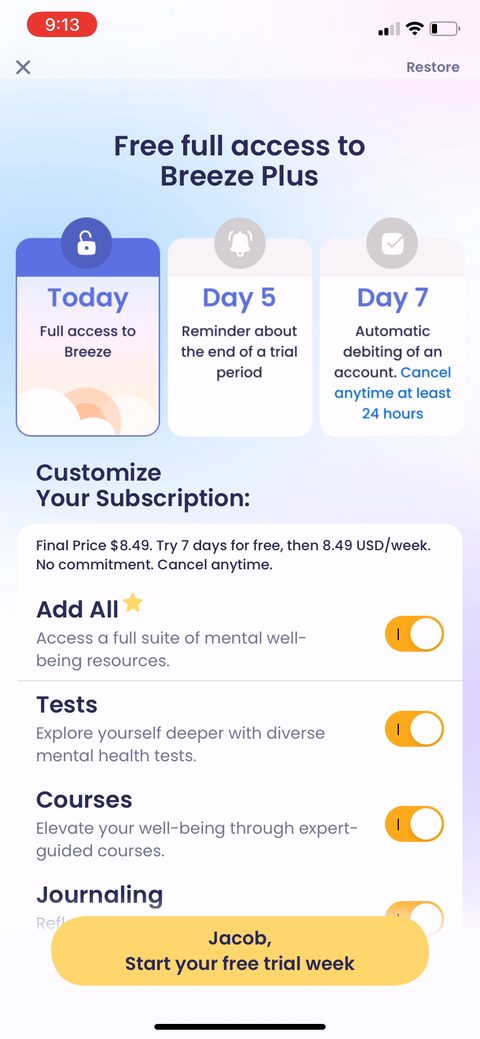 11
11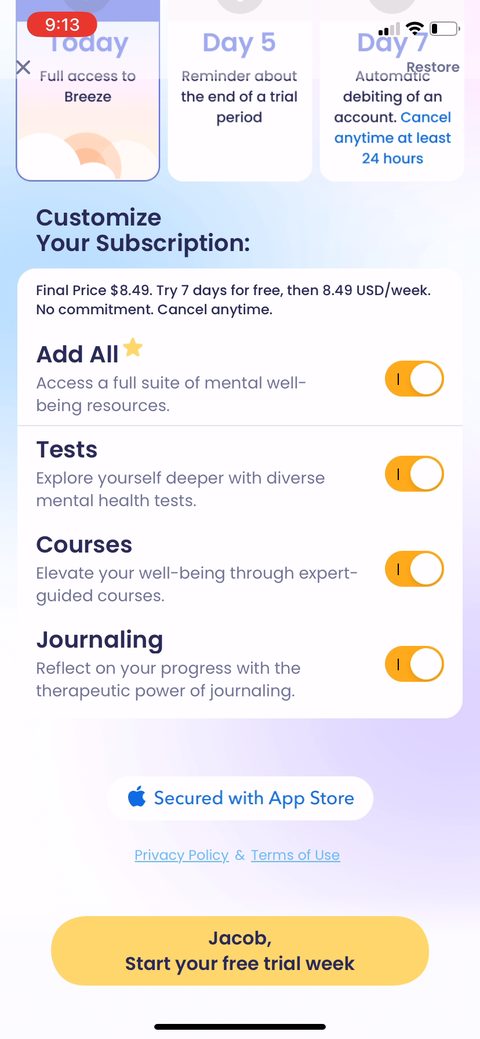 12
12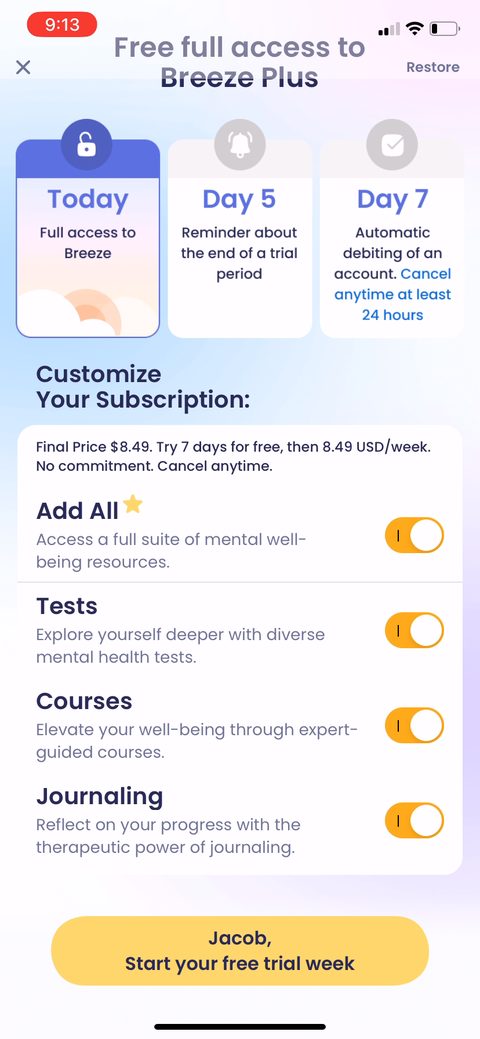 13
13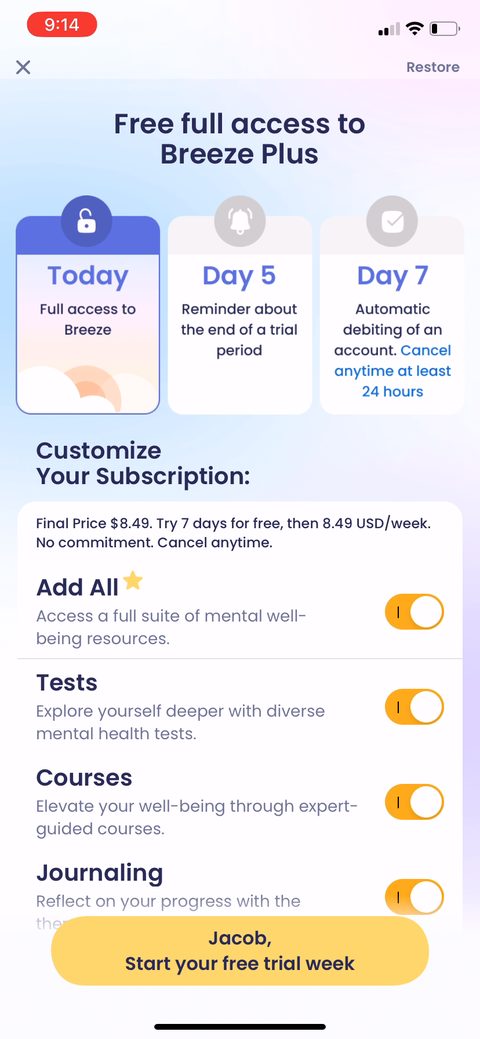 14
14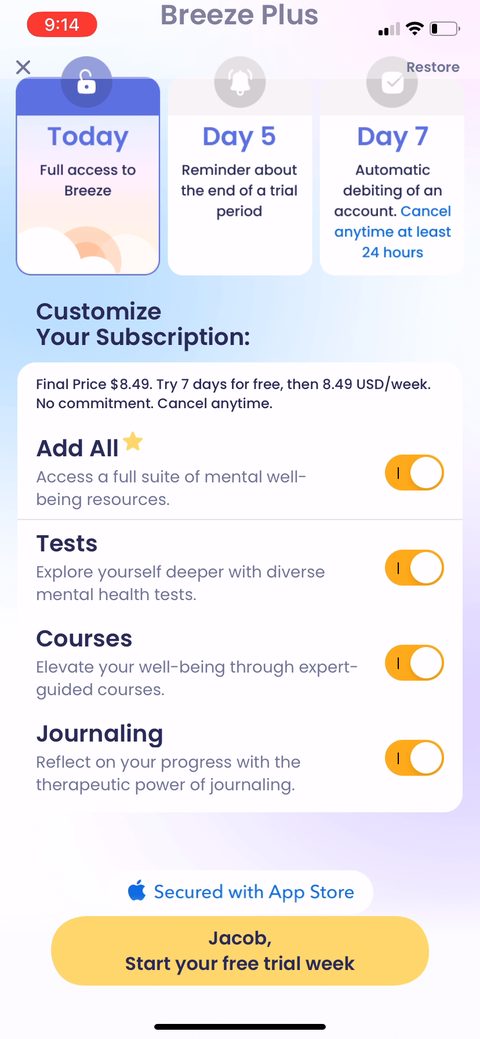 15
15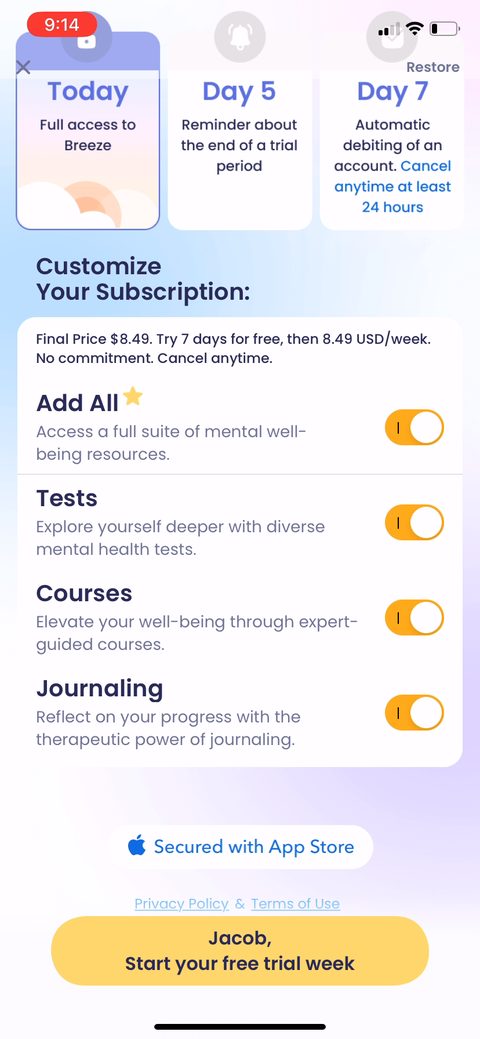 16
16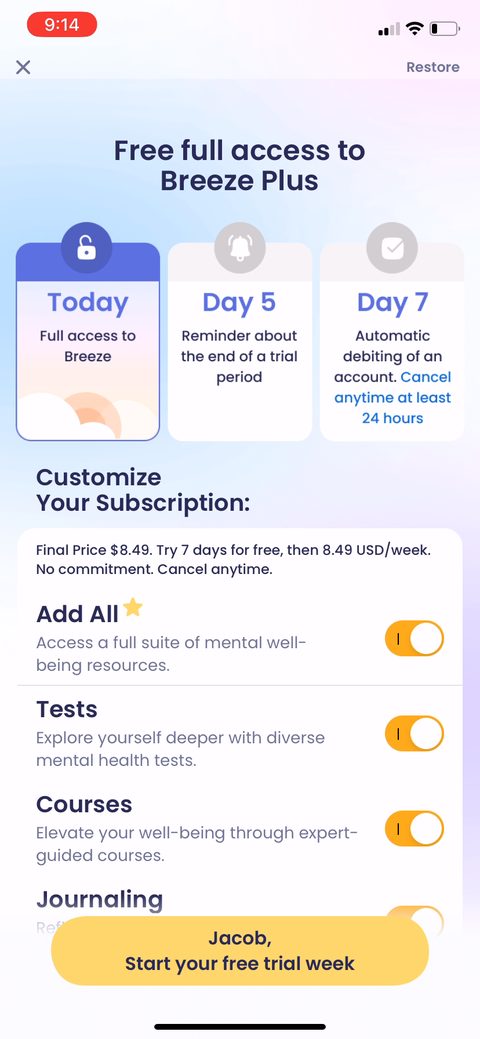 17
17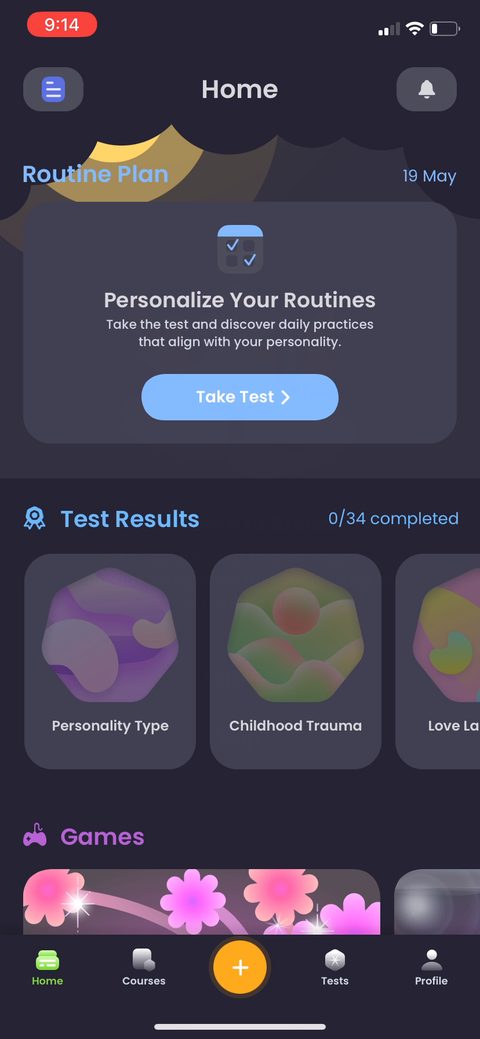 18
18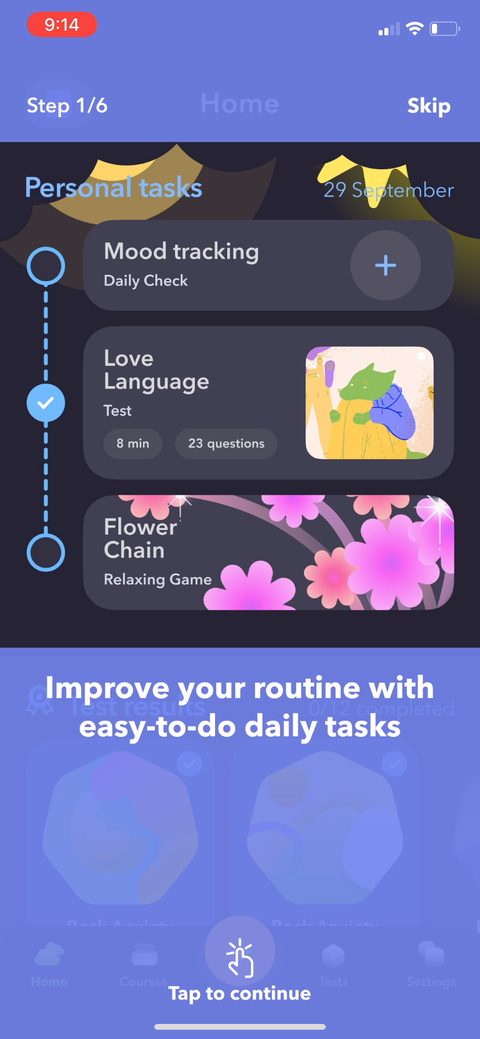 19
19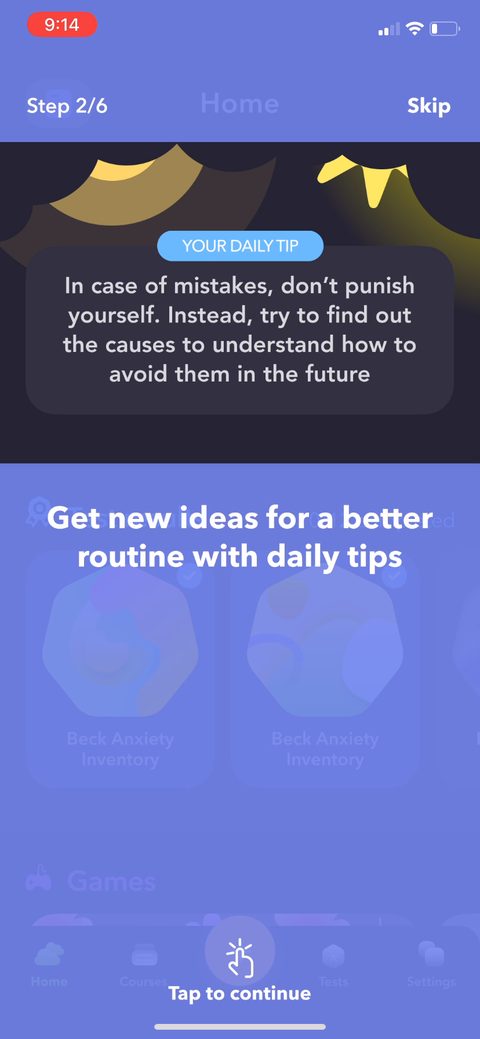 20
20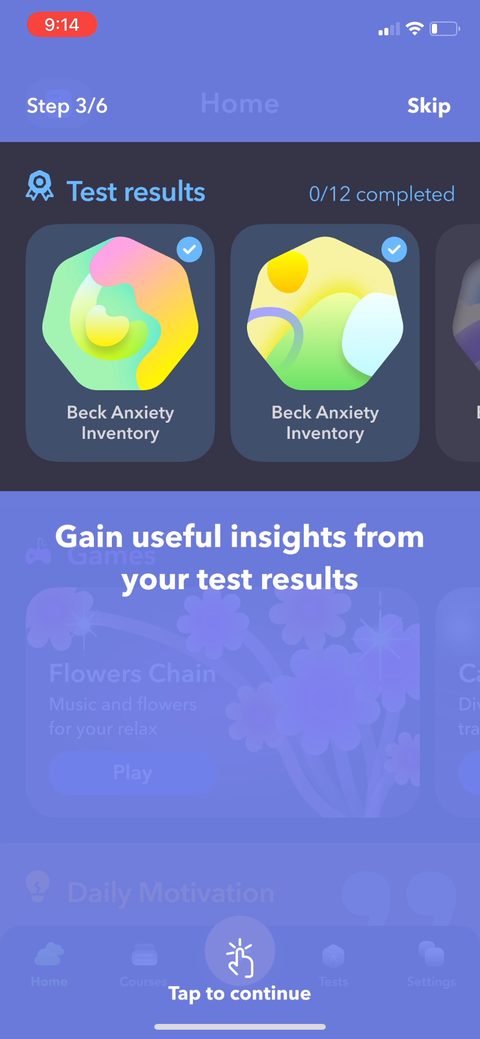 21
21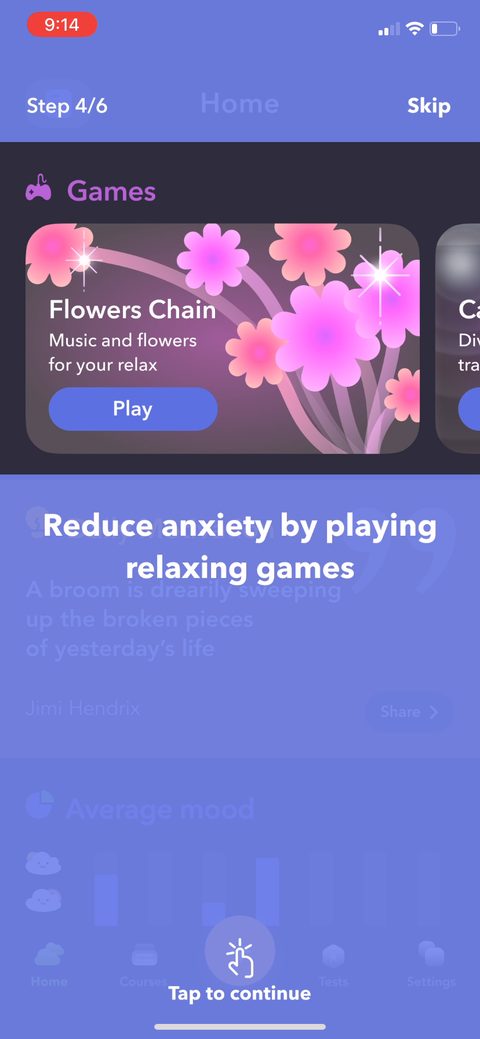 22
22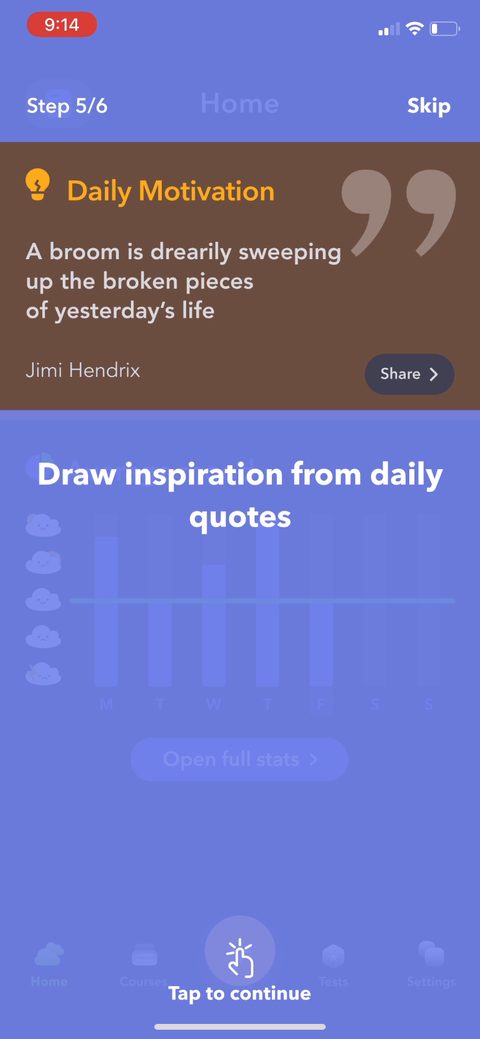 23
23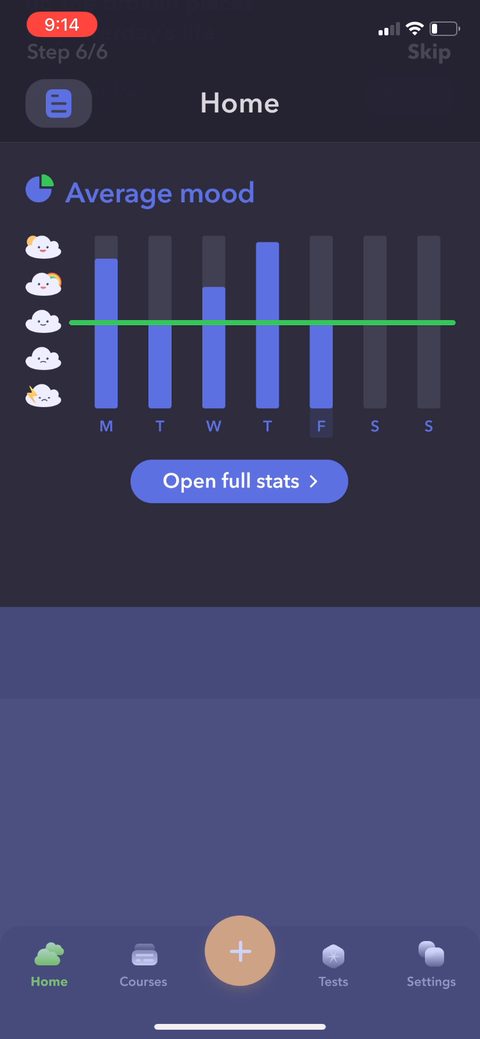 24
24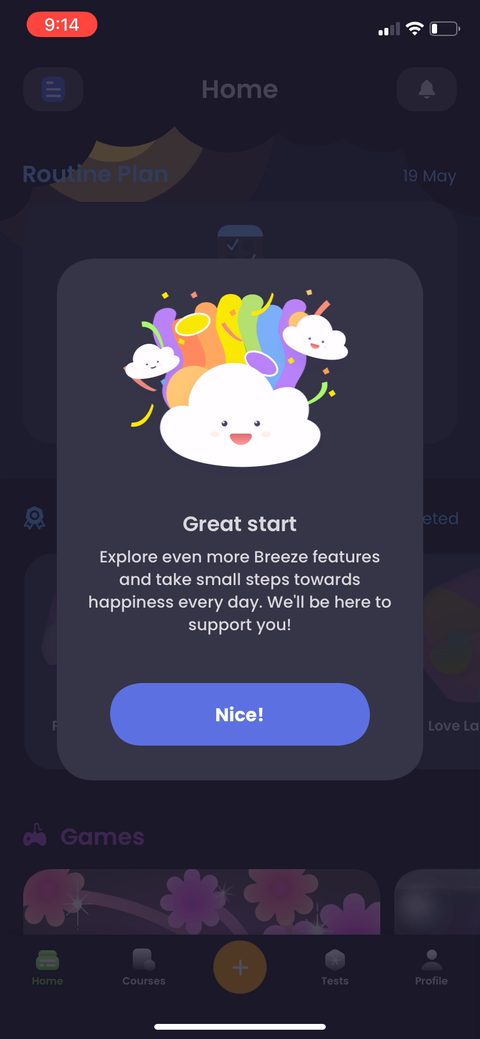 25
25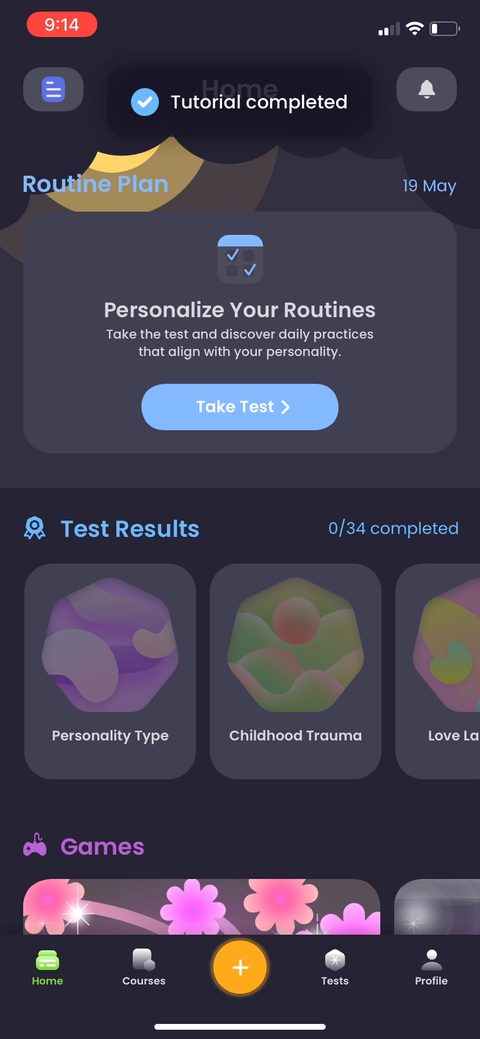 26
26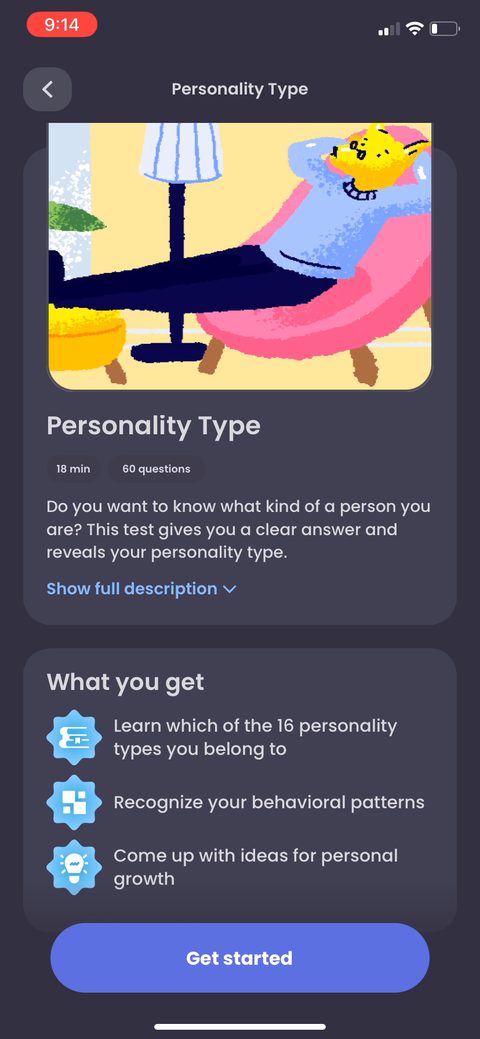 27
27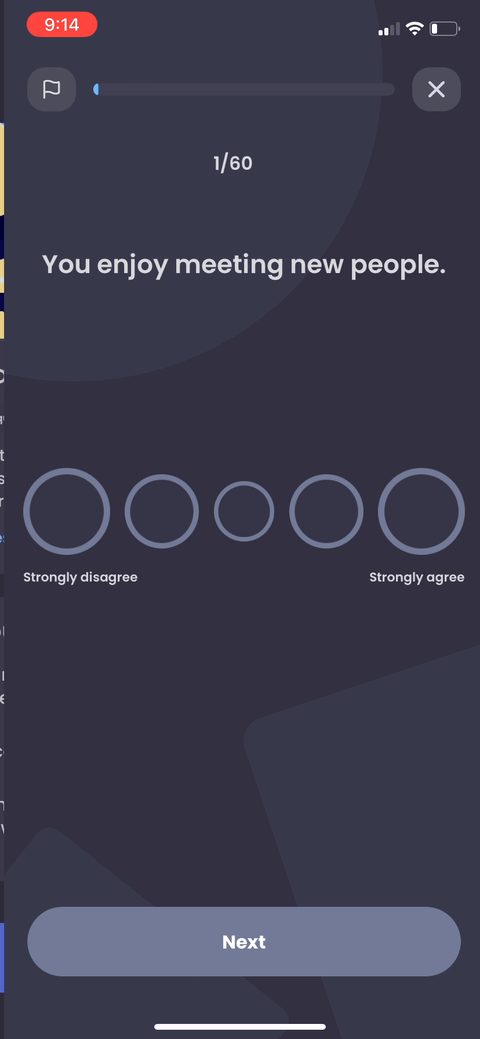 28
28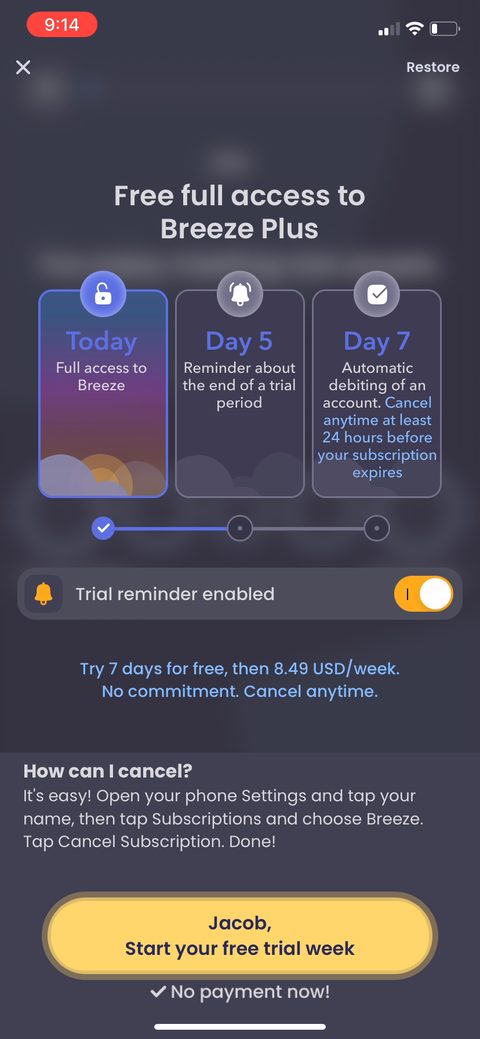 29
29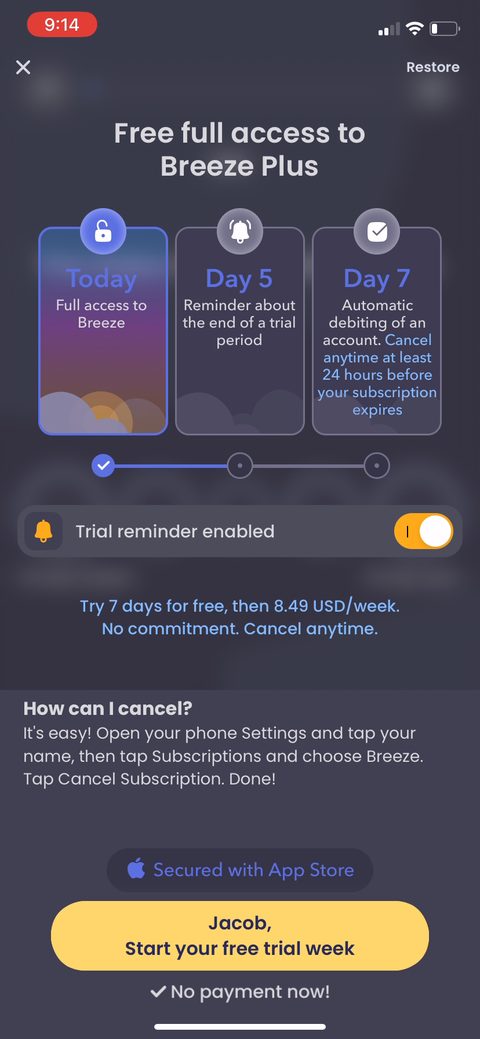 30
30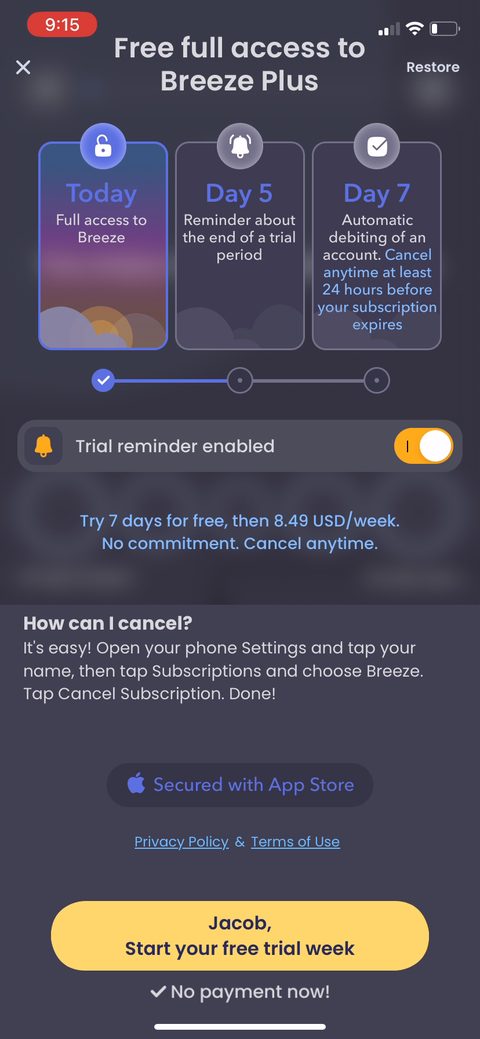 31
31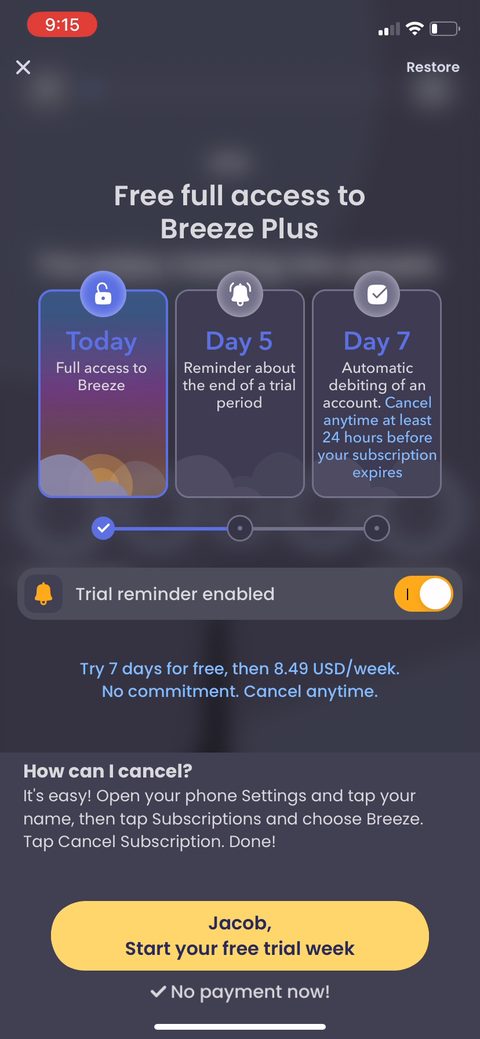 32
32 33
33 34
34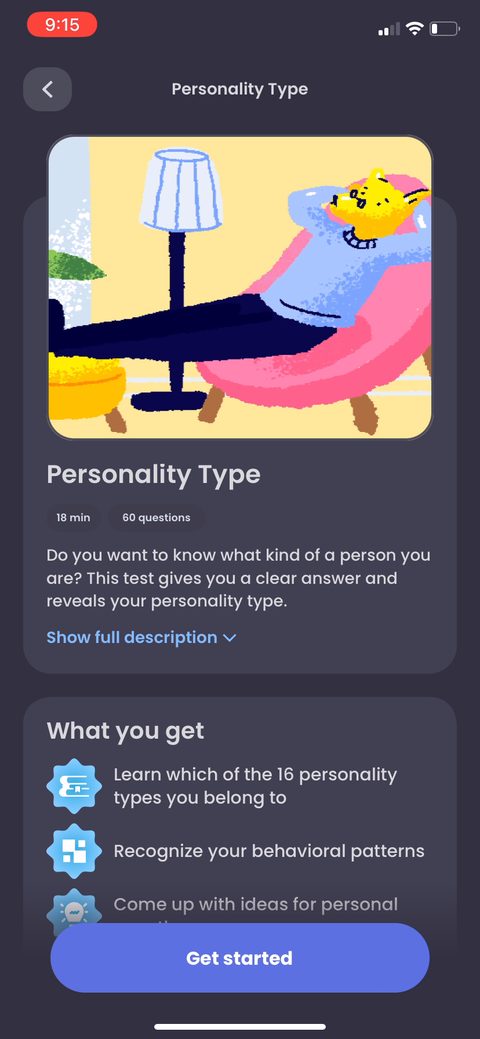 35
35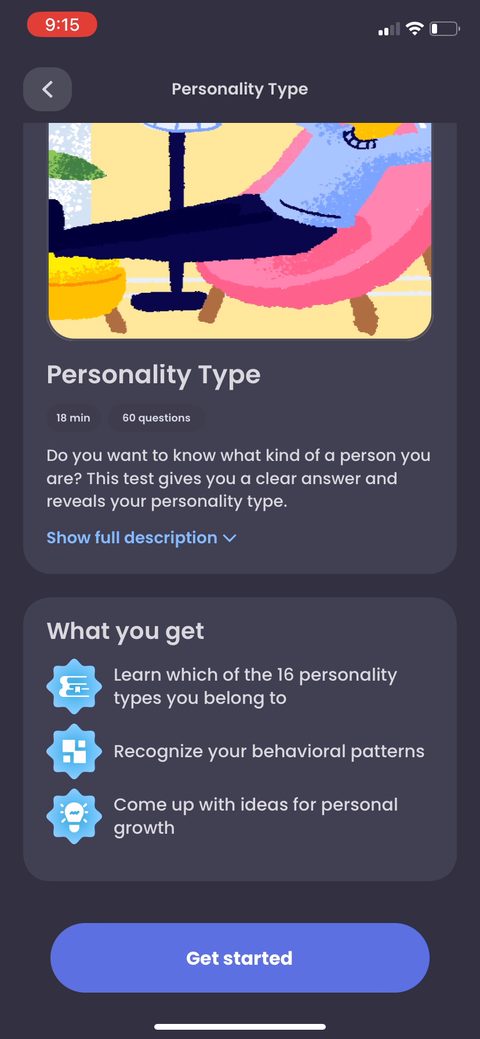 36
36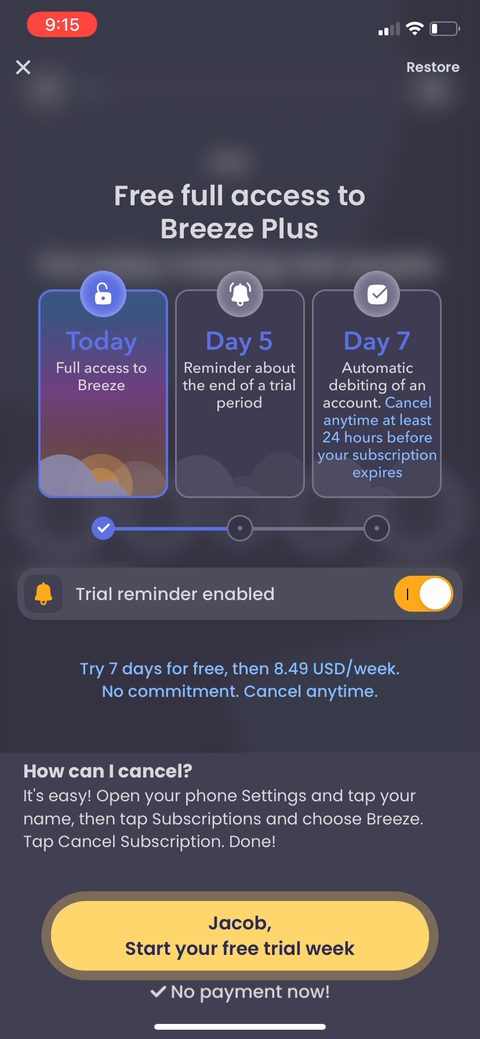 37
37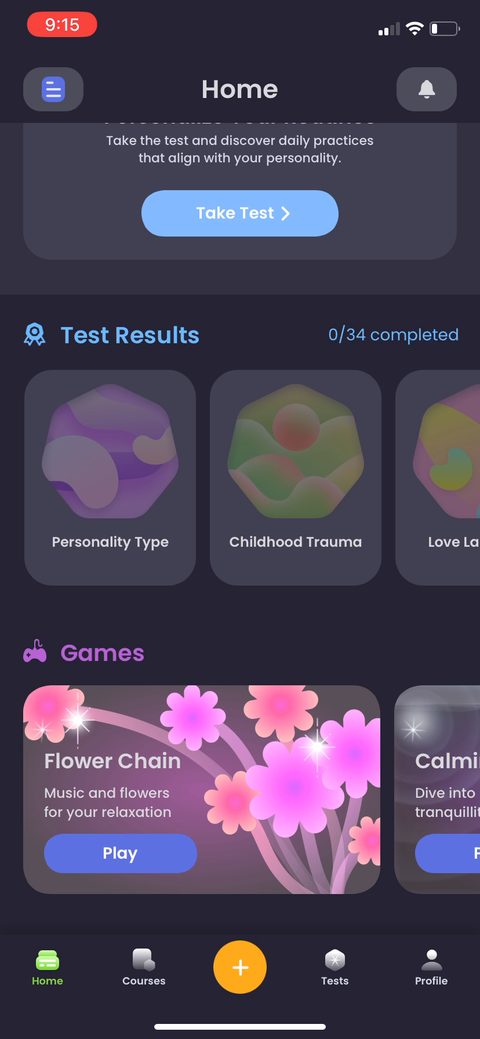 38
38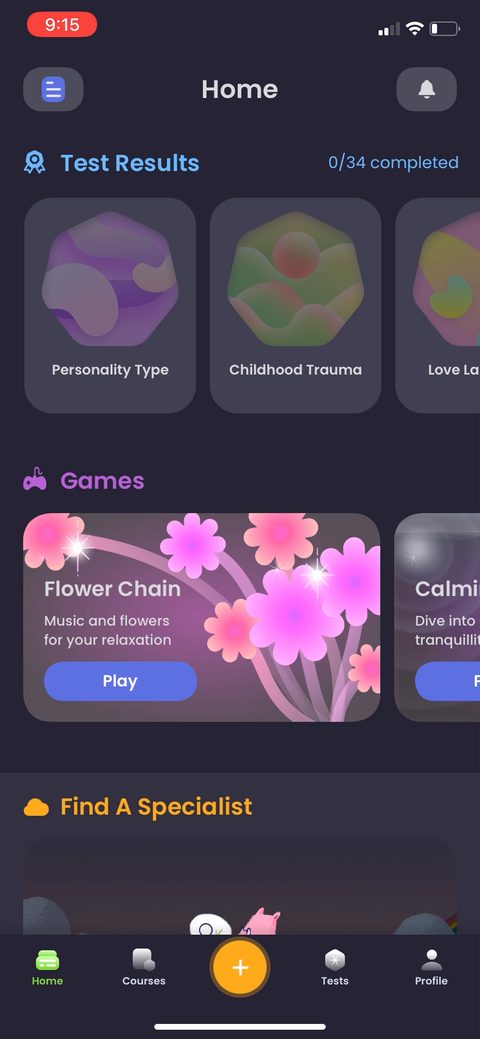 39
39 40
40 41
41 42
42 43
43 44
44 45
45 46
46 47
47 48
48 49
49 50
50 51
51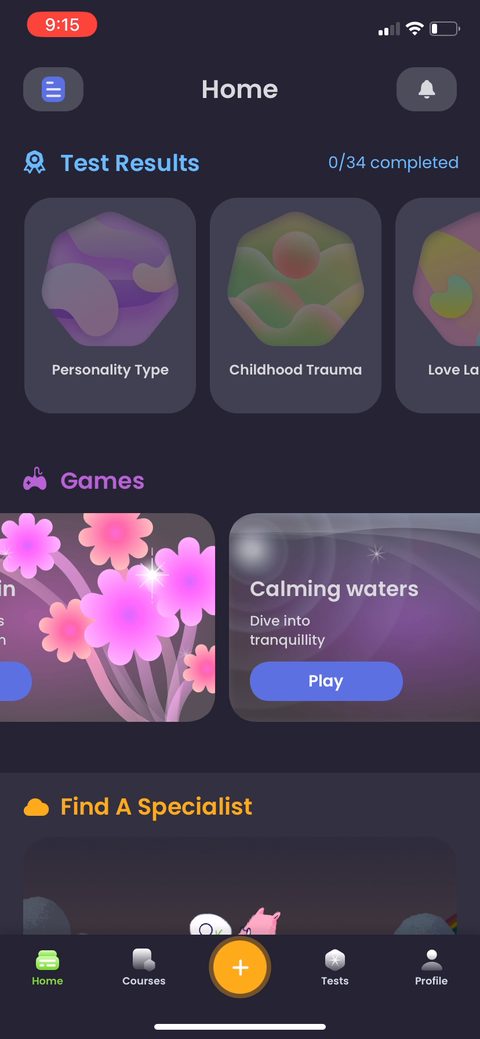 52
52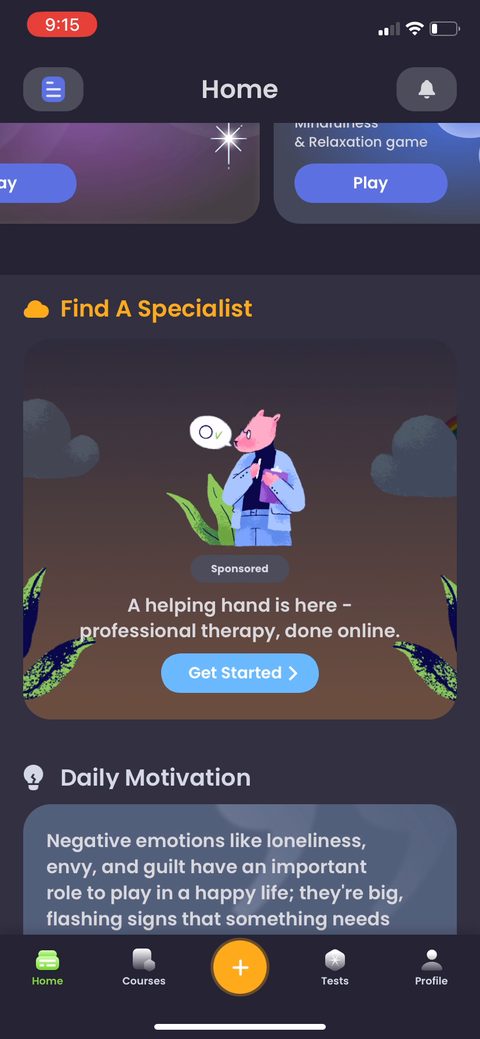 53
53 54
54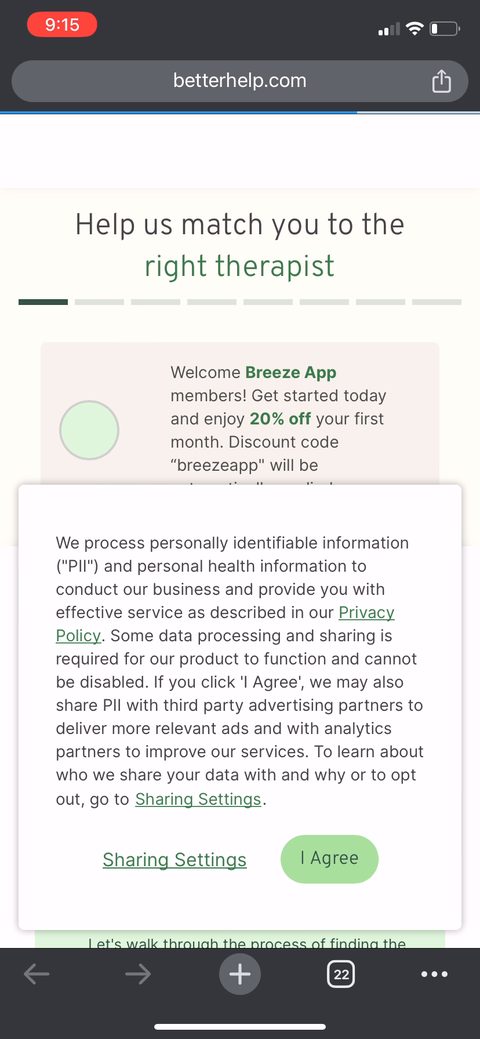 55
55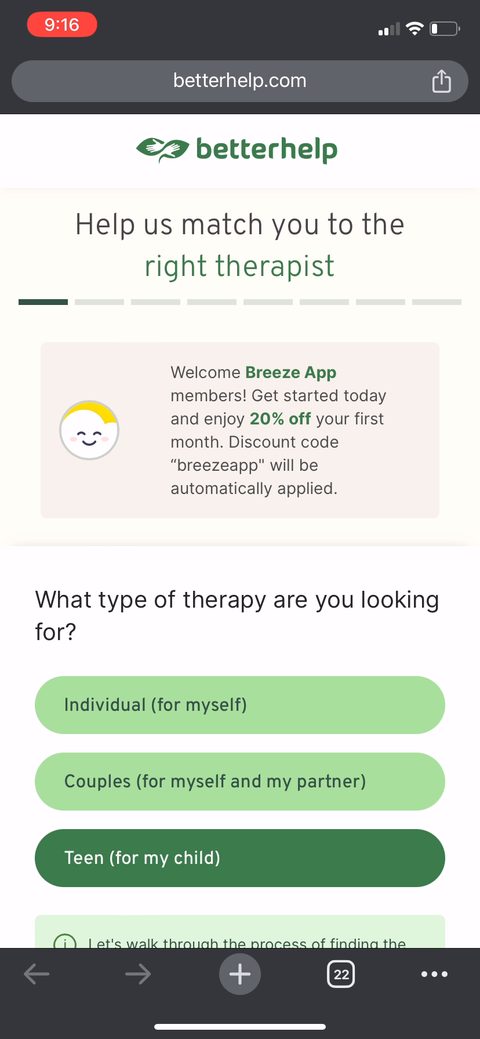 56
56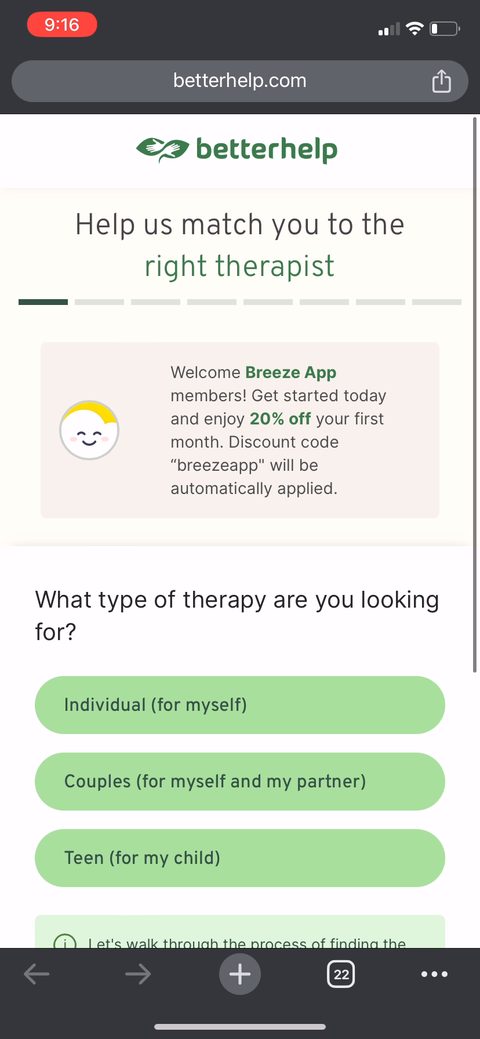 57
57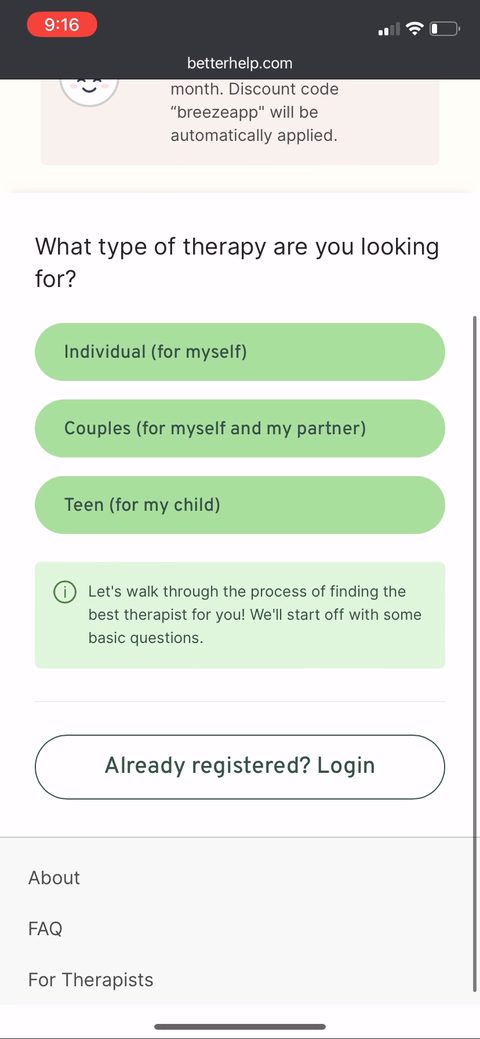 58
58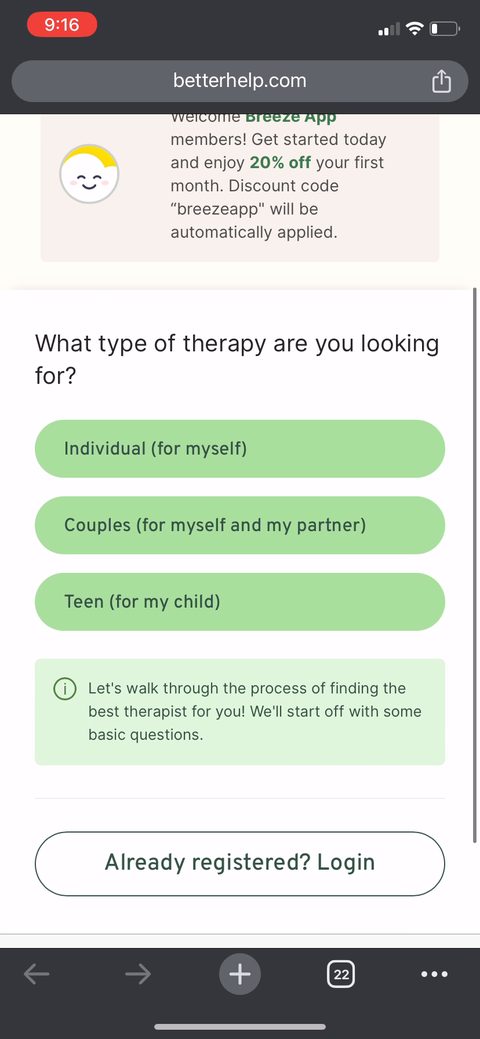 59
59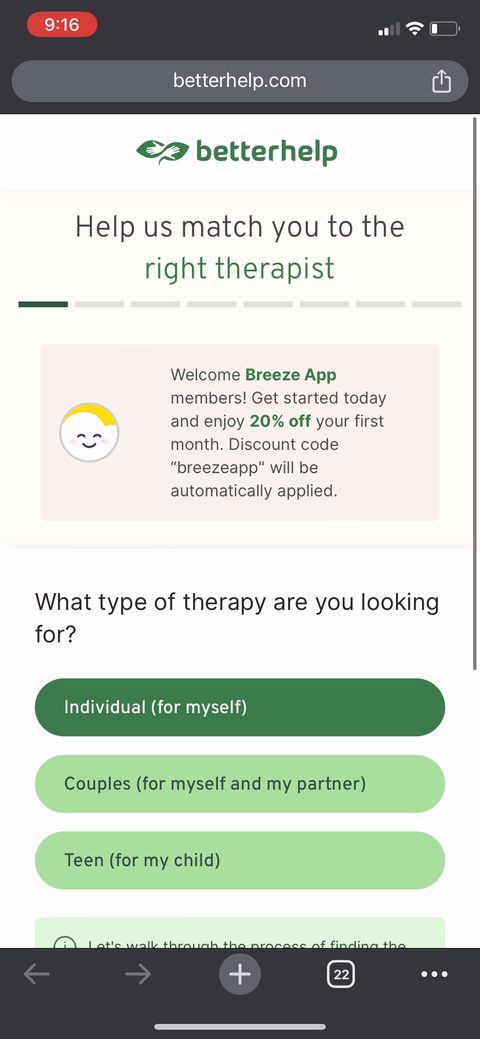 60
60 61
61 62
62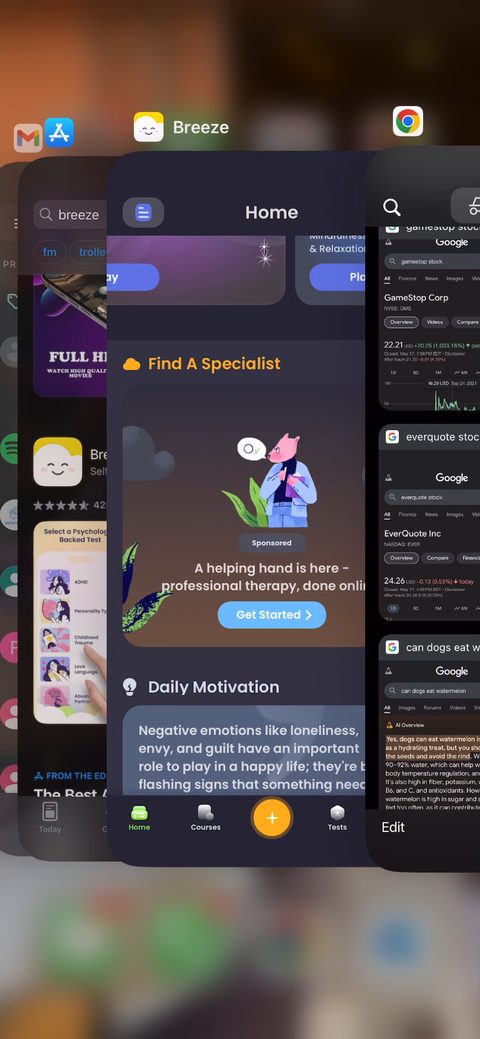 63
63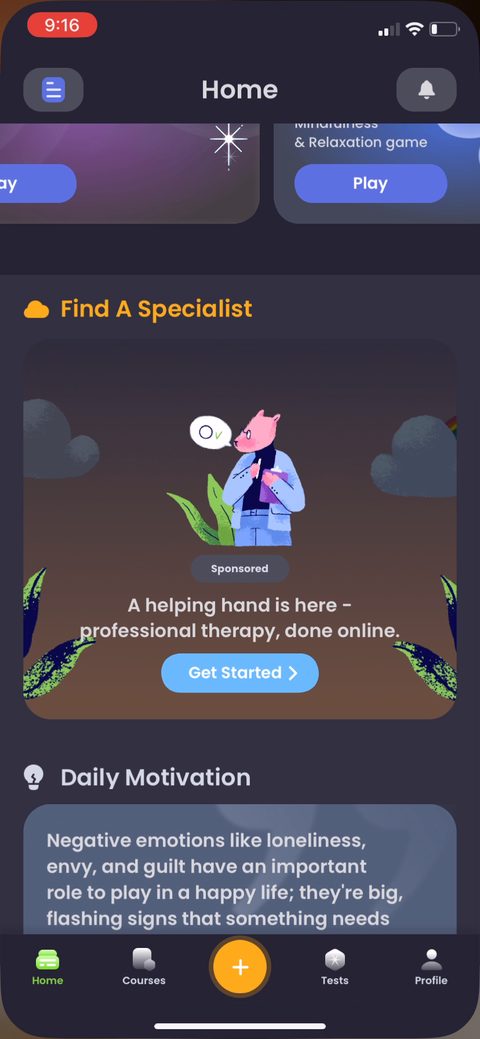 64
64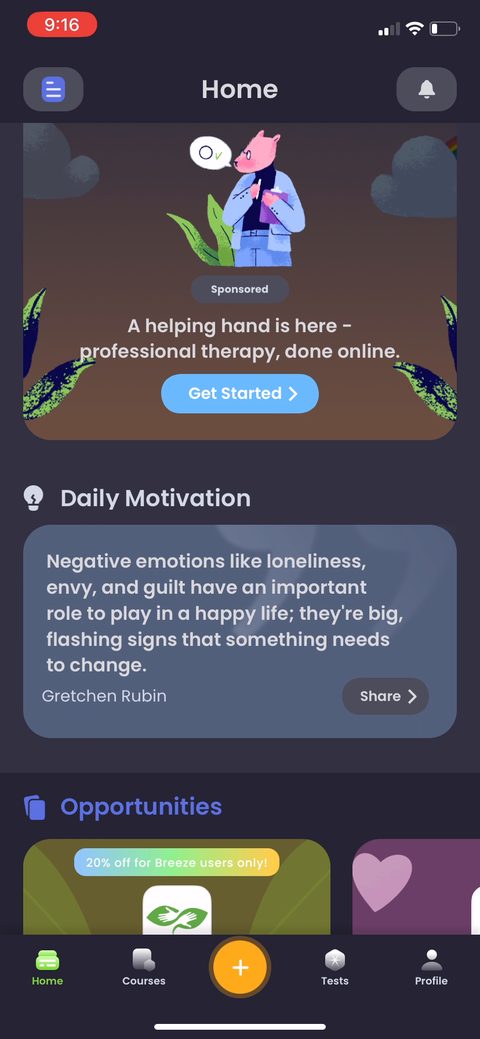 65
65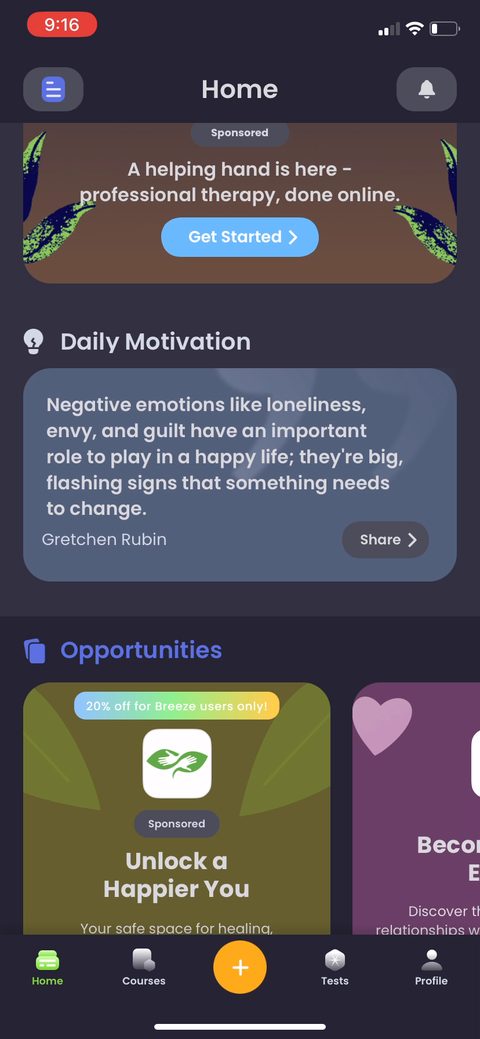 66
66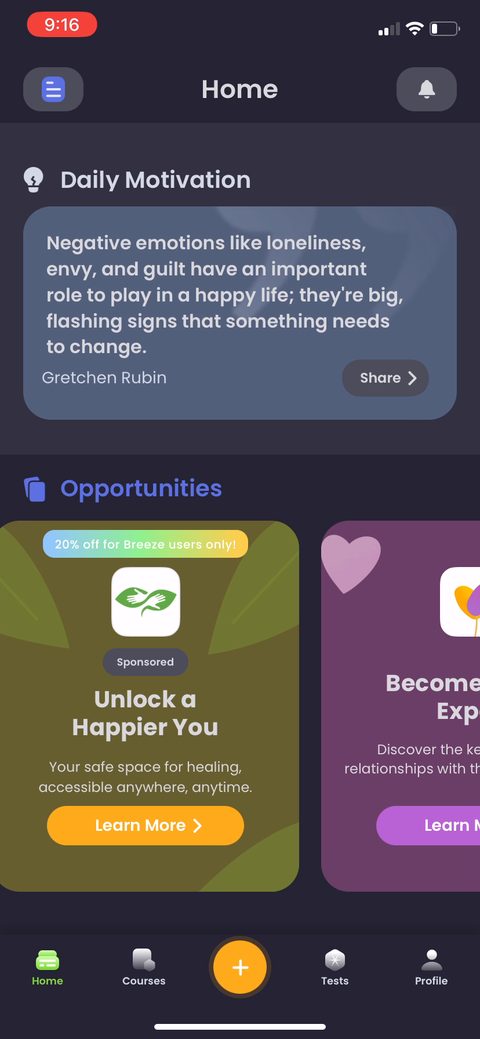 67
67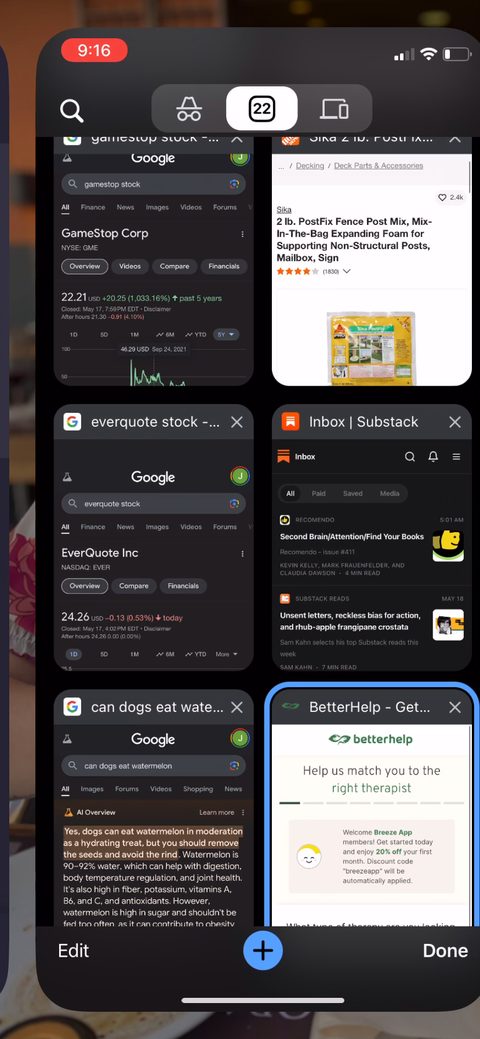 68
68 69
69 70
70 71
71 72
72 73
73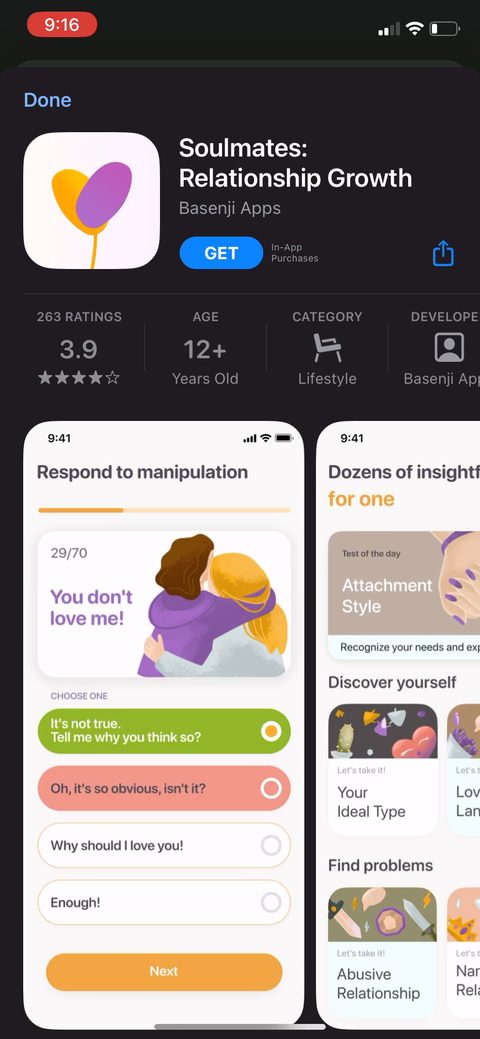 74
74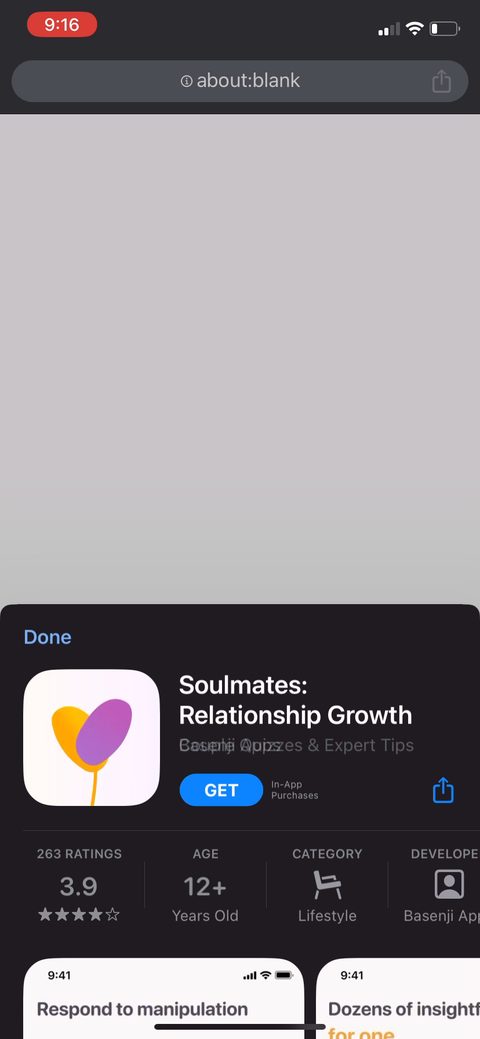 75
75 76
76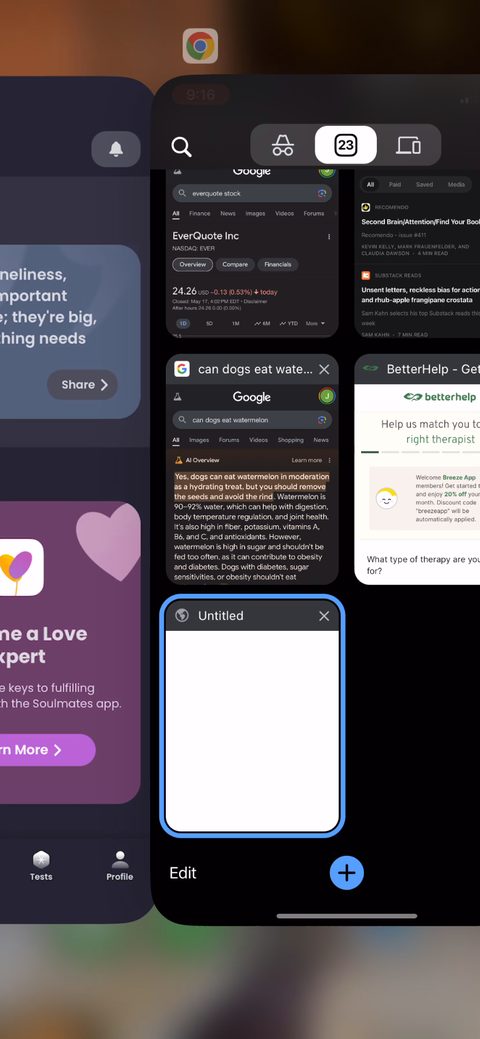 77
77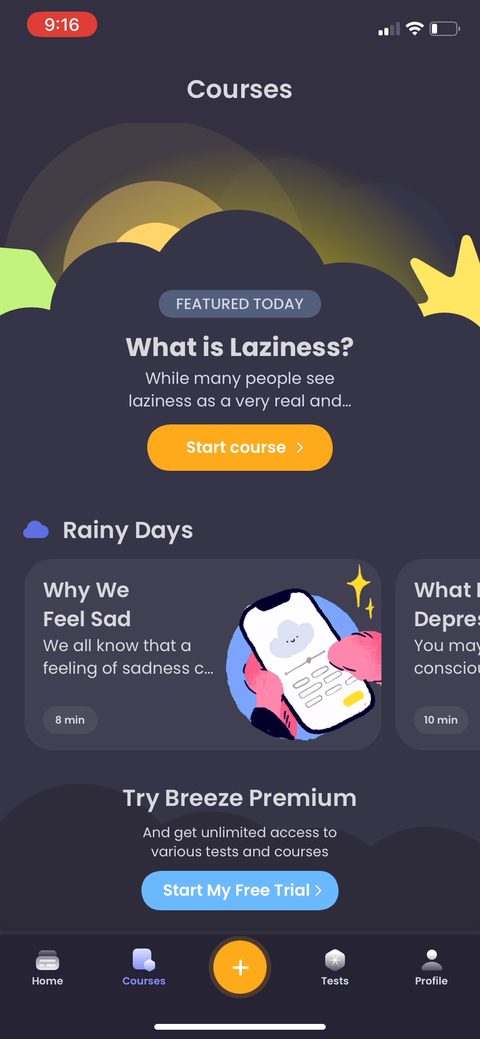 78
78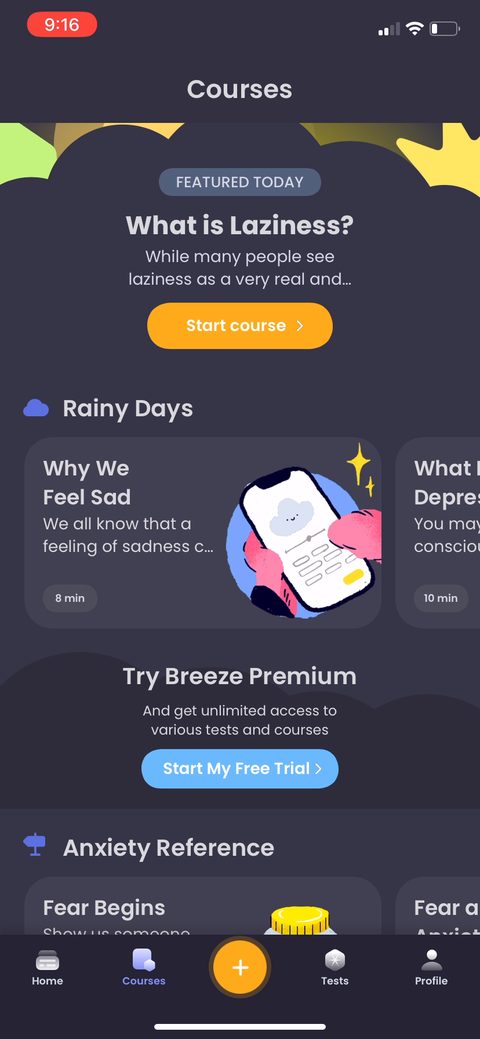 79
79 80
80 81
81 82
82 83
83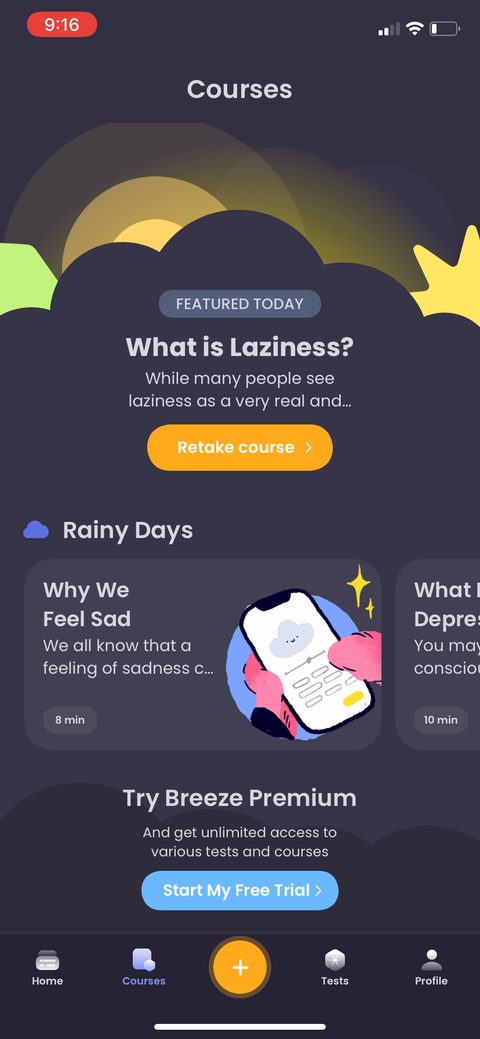 84
84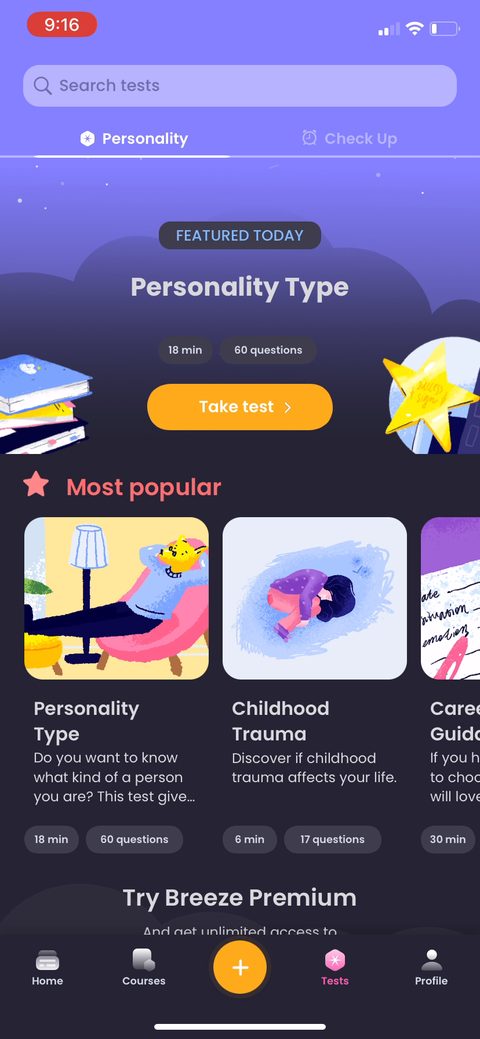 85
85 86
86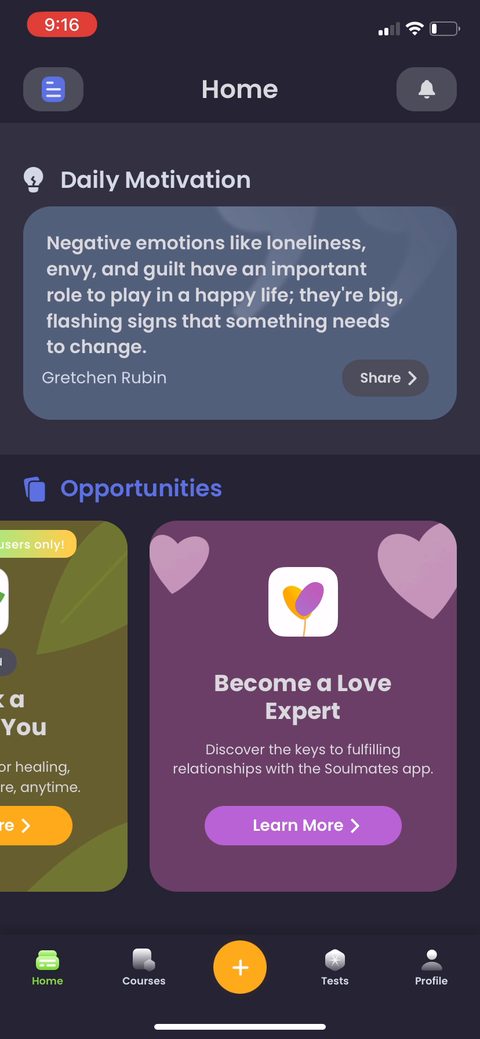 87
87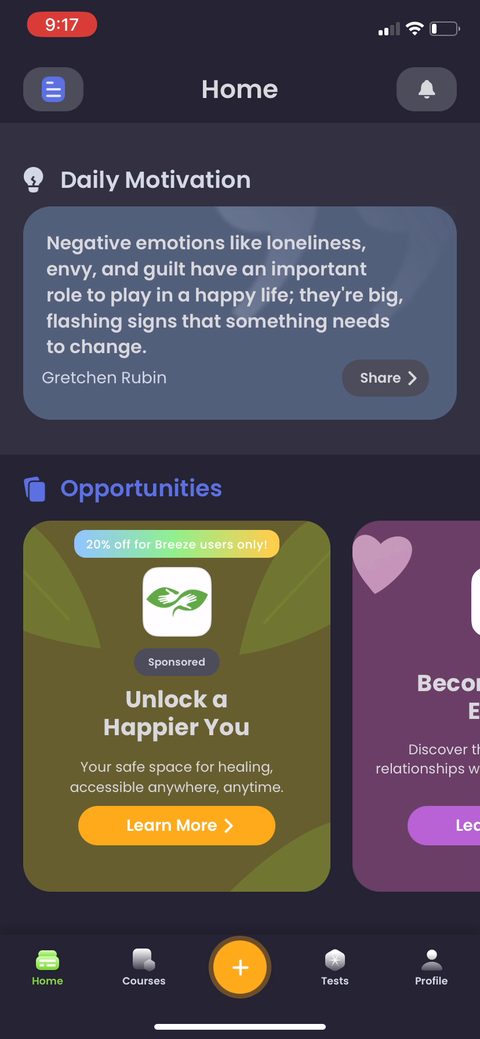 88
88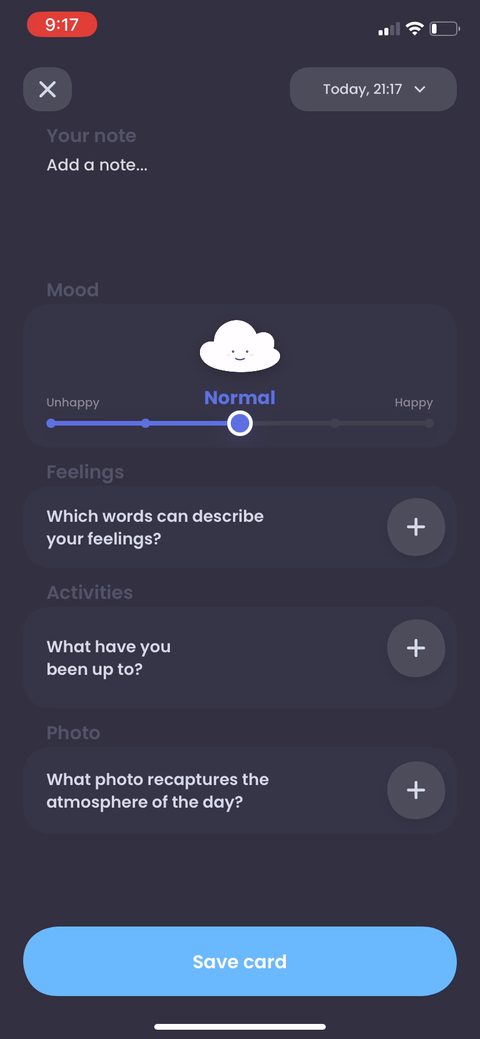 89
89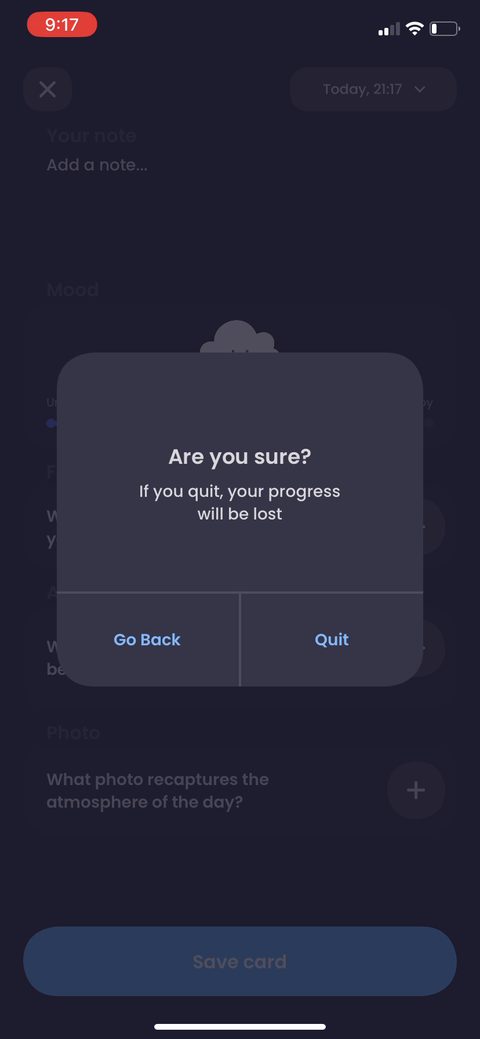 90
90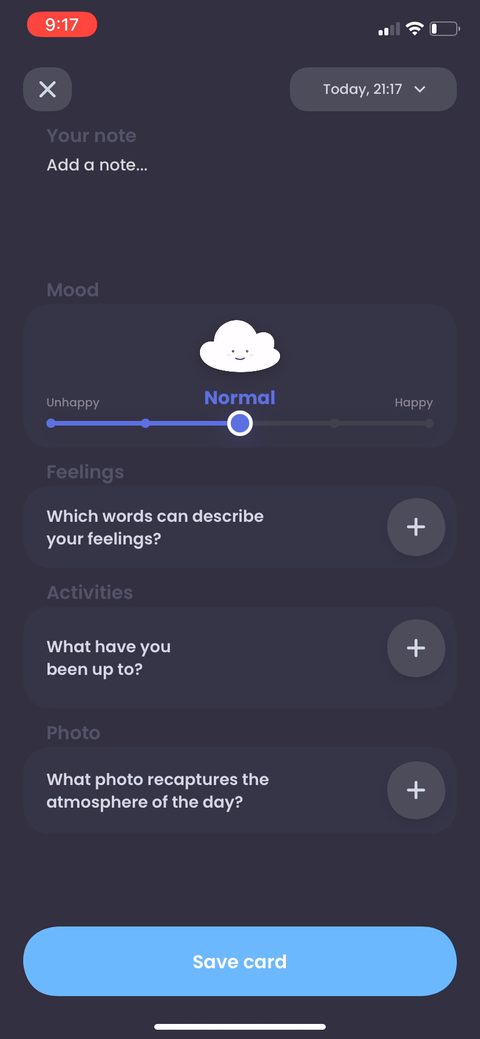 91
91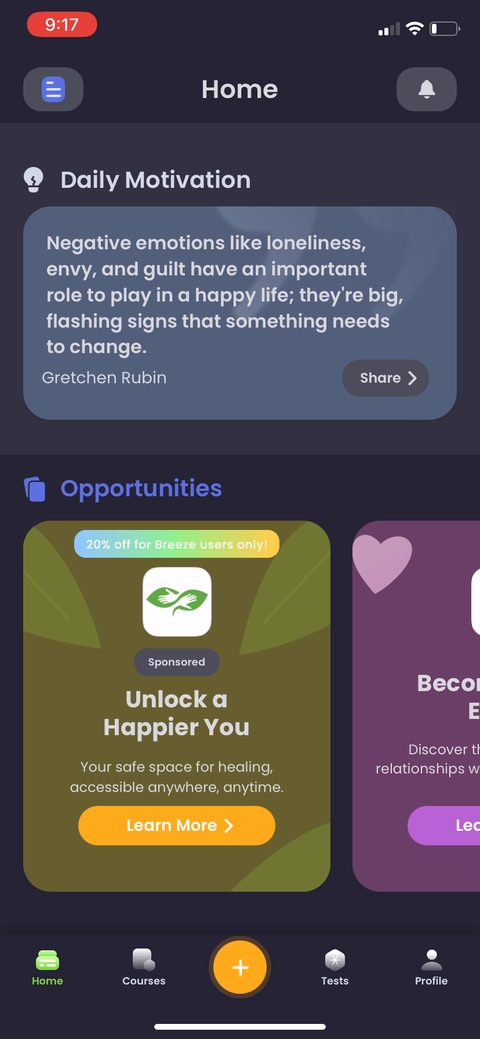 92
92 93
93